Global Health Facilities Struggle with Basic Sanitation
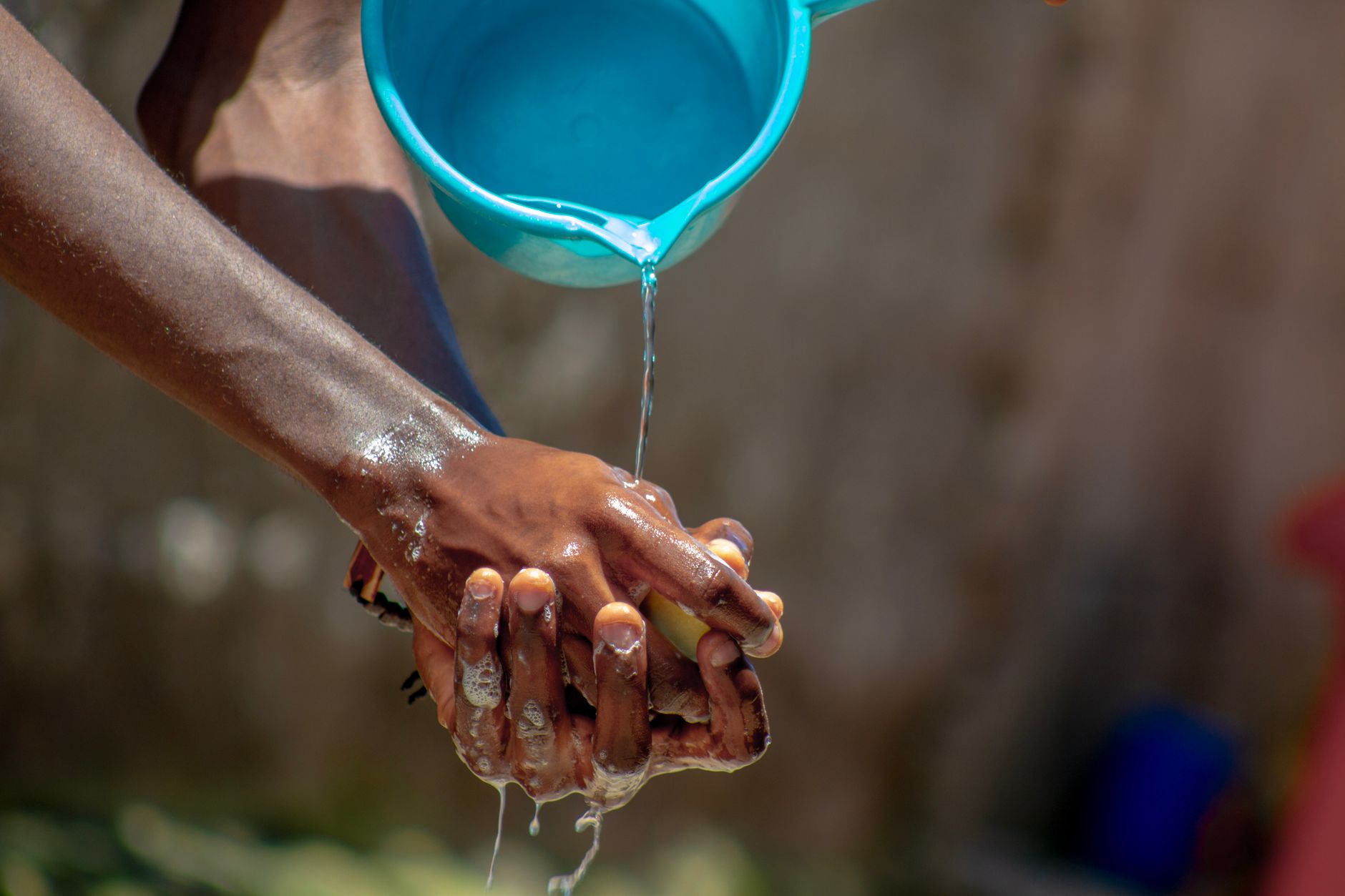
In a world where healthcare is often perceived as a sanctuary of healing, a new WHO and UNICEF report paints a rather unsettling picture. Released through the Joint Monitoring Programme, the findings reveal that a staggering 60% of global health facilities fail to meet basic sanitation standards. This, despite efforts and investments made over the past decade.
The report, titled 'Progress on Water, Sanitation, Hygiene, Environment Cleaning and Waste Management in Healthcare Facilities 2015-25', highlights not only the shortages in sanitation but also the inadequate environmental cleaning standards that persist. Alarmingly, only 59% of facilities meet these crucial criteria, placing both patients and healthcare workers at risk.
Significant Gains, Yet Glaring Gaps
Since 2015, there have been notable improvements, particularly in water services, with 85% of facilities now boasting basic water access. However, the advances in sanitation and hygiene are not keeping pace. The repercussions are severe, affecting infection control and patient safety. Inadequate sanitation can lead to the spread of infections within hospitals, endangering lives and burdening health systems.
Experts suggest that addressing these gaps requires a multifaceted approach. Investment in infrastructure is crucial, but so is the training of staff in proper hygiene practices. Moreover, governments and international organisations must prioritise these issues to prevent further health crises.
A Call to Action
The report serves as a clarion call for action, urging policymakers and healthcare administrators alike to prioritise sanitation. As the global community strives to achieve universal health coverage, ensuring that healthcare facilities are equipped with basic sanitation services is fundamental.
In conclusion, while the progress since 2015 is commendable, the path ahead is long and fraught with challenges. It is imperative that global efforts intensify to bridge these sanitation gaps, safeguarding the health and dignity of patients worldwide.