Global Health Priorities Spotlighted at 79th World Health Assembly
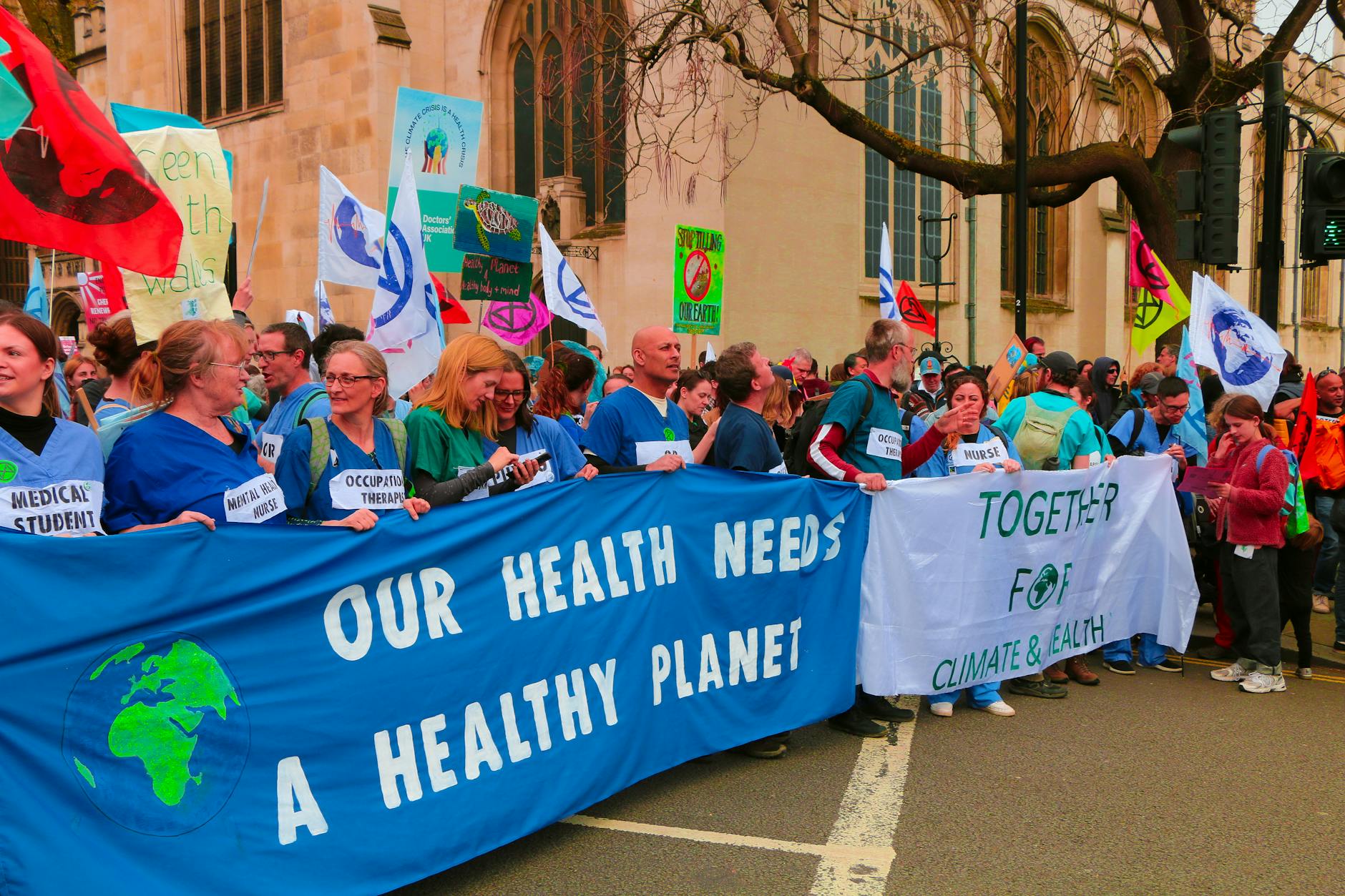
In the serene yet bustling city of Geneva, the 79th World Health Assembly drew to a close, leaving in its wake a series of resolutions aimed at addressing some of the most pressing global health challenges. Over the course of six days, health ministers and delegates from 193 member states engaged in intense discussions, underscoring the need for a unified approach to universal health coverage and the reduction of healthcare inequalities.
The assembly, held annually, is the pinnacle of the World Health Organization's policy-setting endeavours. This year's gathering, spanning from May 18 to May 23, was marked by a palpable sense of urgency, as nations grapple with the lingering impacts of the COVID-19 pandemic, climate change, and other health crises.
Universal Health Coverage Takes Centre Stage
A significant portion of the assembly's focus was devoted to universal health coverage, an ambitious goal that aims to ensure that all individuals have access to the health services they need without suffering financial hardship. The resolutions adopted emphasised strengthening health systems, particularly in low-income countries, as a critical step towards achieving this goal.
Dr. Tedros Adhanom Ghebreyesus, the WHO Director-General, lauded the commitment shown by member states, stating, "Health is a fundamental human right, and our collective responsibility is to ensure that no one is left behind." His words resonated with many, as delegates highlighted the disparities in healthcare access exacerbated by recent global events.
Addressing Inequalities
Another key topic was the stark inequalities in healthcare access. Member states recognised that these disparities are not just ethical issues but also hinder economic development and stability. Resolutions were passed to enhance multilateral cooperation and bolster health infrastructure in underserved regions.
As the assembly concluded, there was a prevailing sentiment of hope mixed with determination. The resolutions set forth represent not just aspirations but actionable steps towards a healthier future. The true test, however, will be in their implementation and the willingness of nations to collaborate beyond their borders.
The 79th World Health Assembly may have ended, but the work it has set in motion is only beginning. As the world navigates increasingly complex health landscapes, the directives established in Geneva will serve as a guiding beacon, steering global efforts towards equity and resilience in healthcare.