Global Road Safety Improves, But Poor Countries Lag Behind
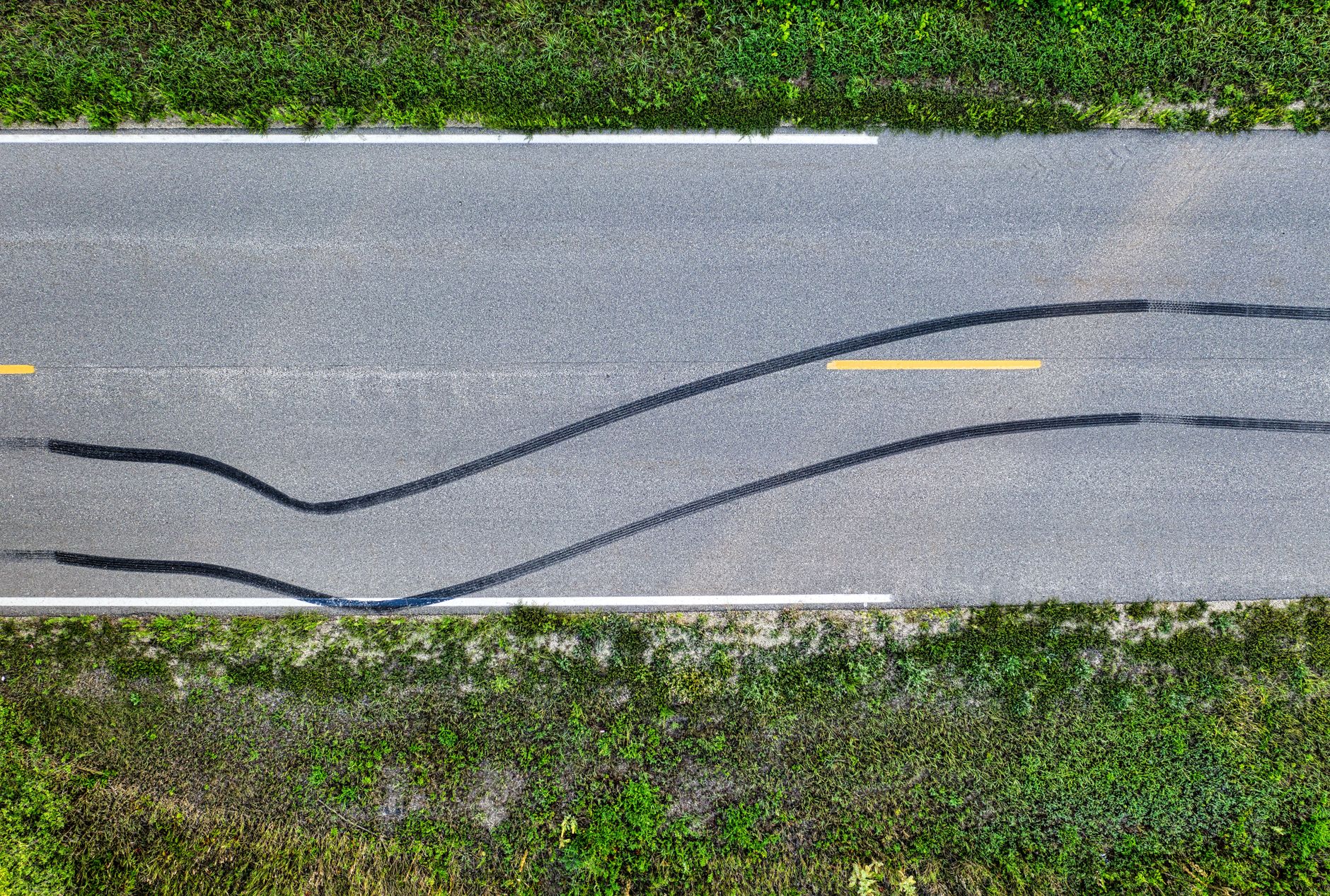
The road to safety seems smoother for some than for others. A comprehensive study published in Lancet Public Health has revealed that while global road fatalities have dropped by more than 30% since 1990, this positive trend hasn't been uniformly shared. Poorer countries continue to struggle with rising death tolls on their roads, a stark contrast to the improvements seen elsewhere.
The study, a significant contribution to global health research, underscores the uneven progress across different regions. While wealthier nations have invested heavily in road safety measures—such as improved vehicle standards, better road infrastructure, and stringent traffic laws—poorer countries often lack the resources to implement such changes.
Disparities in Safety Measures
In high-income countries, advancements in technology and policy have played a crucial role in reducing road deaths. Innovations like advanced braking systems, airbags, and rigorous driver education programmes have contributed significantly to saving lives. Moreover, these nations have the infrastructure to enforce laws effectively, ensuring compliance among motorists.
Conversely, low-income nations face numerous challenges. Limited governmental funding, inadequate road infrastructure, and a lack of public awareness about road safety contribute to their higher fatality rates. The study calls for international cooperation to address these disparities, suggesting that investment in infrastructure and education could be pivotal in reversing the trend.
Call for Global Action
Experts argue that addressing road safety in poorer countries should become a priority on the global health agenda. Targeted interventions, such as international funding for road safety improvements and partnerships between governments and non-profit organisations, could provide the necessary support.
The findings of the study should serve as a wake-up call. While the global decline in road deaths is a milestone worth celebrating, the uneven distribution of this progress highlights the need for a concerted effort to ensure that no country is left behind. As the world moves towards more inclusive development goals, equitable road safety measures could play a pivotal role in saving lives and promoting global health equity.