Global Youth Demand Change: Protests for Education and Housing
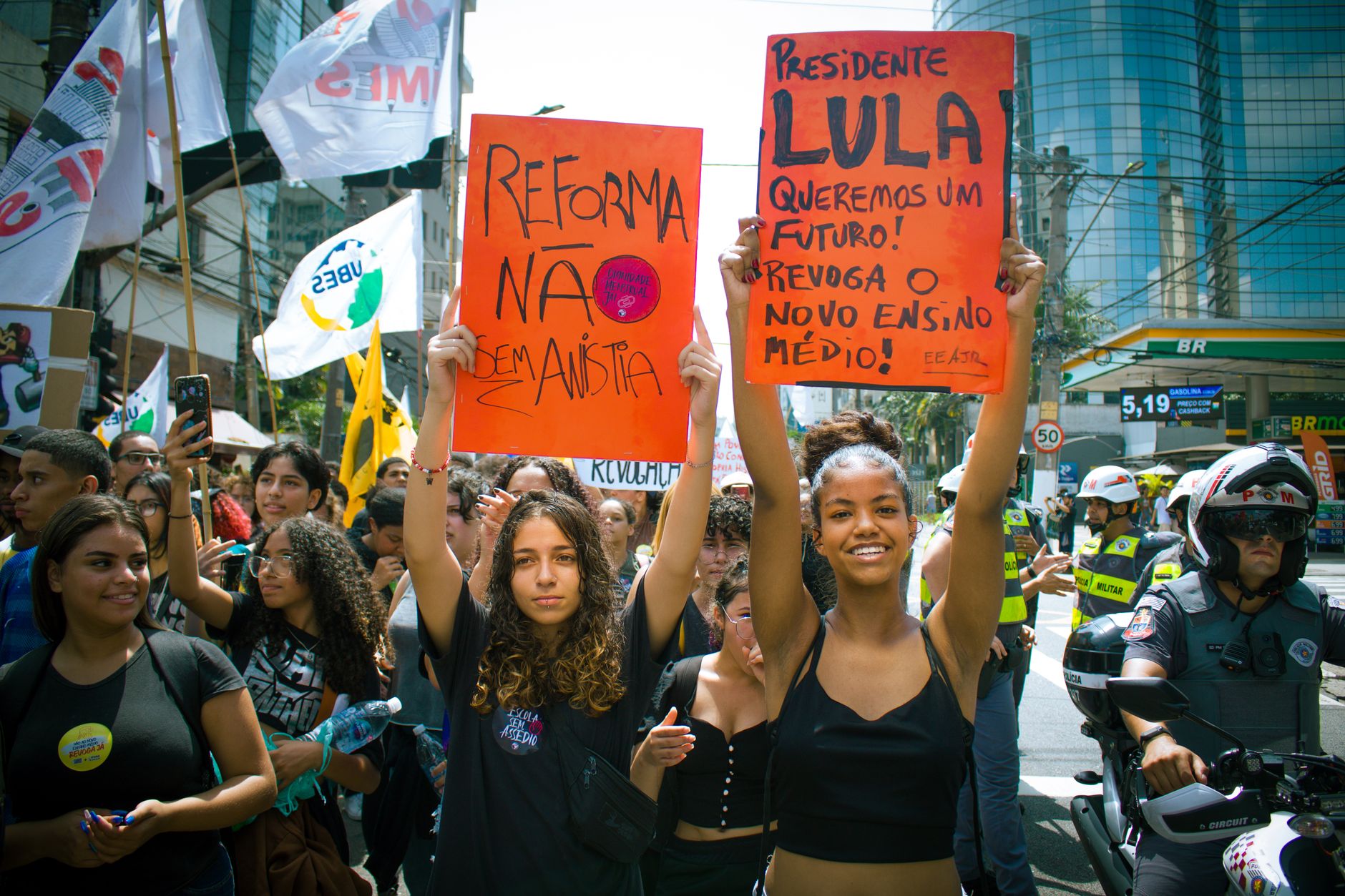
In the heart of Paris, a sea of placards bobbed above the heads of determined young faces. Their message was clear: the education system is failing them, and they will not be silenced. Across the Channel, Spanish youths are echoing similar sentiments, albeit for a different cause—housing. Together, these young Europeans are questioning long-standing beliefs about economic prosperity and social equality.
The protests are not confined to Europe. From the bustling streets of New Delhi to the vibrant avenues of New York, youths are mobilising, demanding change. While the specific issues vary—from overcrowded classrooms in France to housing crises in Spain and alleged political corruption in several nations—the common thread is a growing disillusionment with the status quo.
Generation Z: The Catalyst for Change
Generation Z, those born between the late 90s and early 2010s, have grown up in a world of rapid technological change and economic uncertainty. They have harnessed the power of social media to organise protests, often without a single leading figure. This decentralised style of activism has taken governments by surprise, as traditional methods of engagement seem increasingly obsolete.
Speaking at a youth protest in Glasgow during the COP26 climate summit, one activist remarked on the futility of years of diplomatic gatherings. "World leaders have held 26 COPs. They have had decades of blah, blah, blah - and where has that got us?" This statement encapsulates the frustration felt by many young people who perceive a gap between political rhetoric and meaningful action.
A Broader Crisis of Confidence
The protests reflect a broader crisis of confidence in political systems worldwide. In Europe, once the beacon of social democracy, the idea that economies naturally generate wellbeing and equality is being challenged. Young people are questioning the effectiveness of existing structures and proposing radical changes.
As these movements gain momentum, they are reshaping the political dialogue. While it remains uncertain what tangible changes will arise, one thing is clear: the youth are a formidable force for change, and their voices are only getting louder.