Google's Vizag AI Hub: Balancing Innovation and Ecology
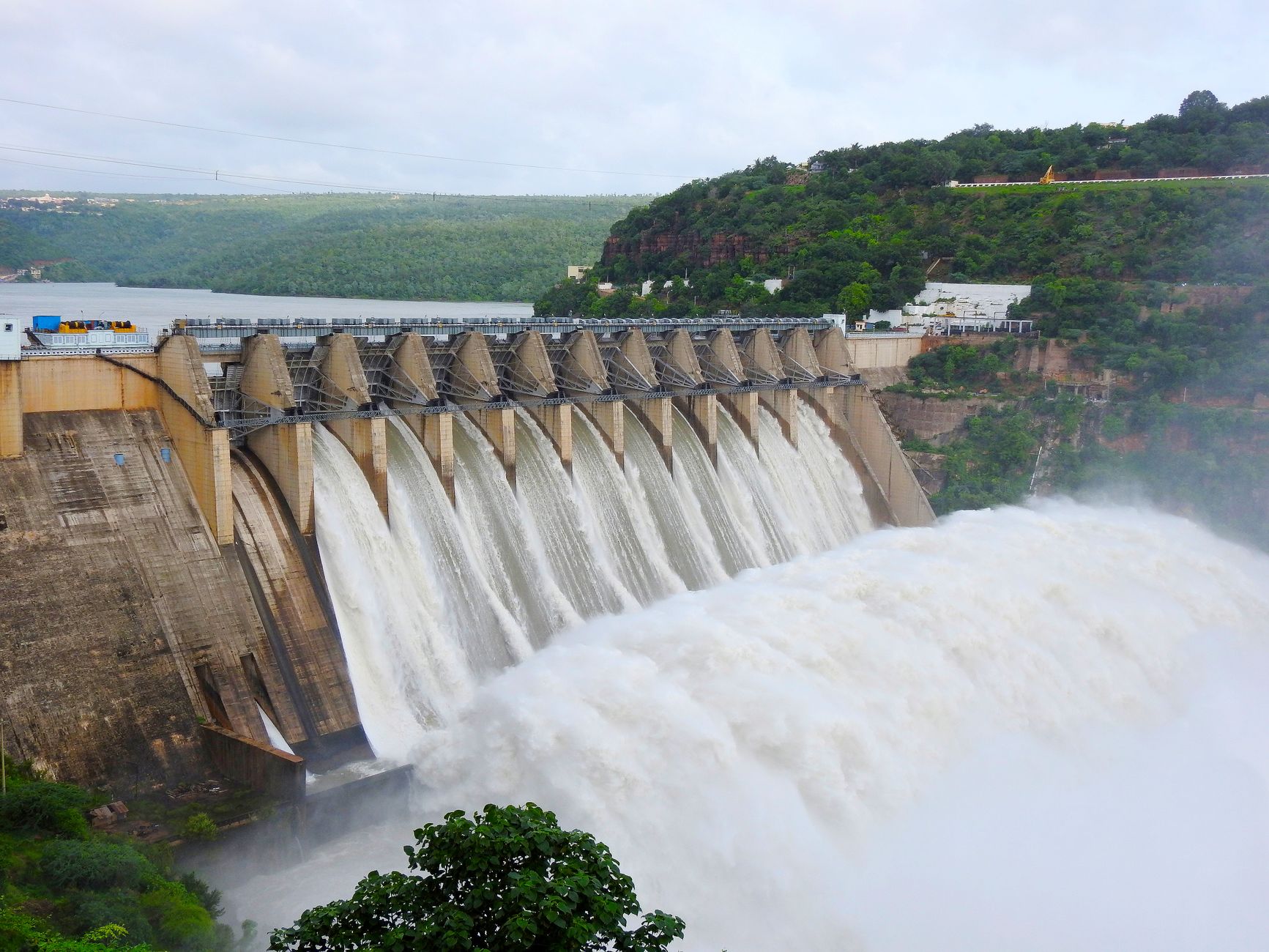
As the sun rises over the bustling port city of Visakhapatnam, an ambitious project by Google is set to redefine India's technological landscape. However, this vision of a sprawling AI hub has not come without its share of controversy. Concerns have been voiced over the environmental impact, particularly the strain on local water resources.
Google's proposed $15 billion investment aims to transform Visakhapatnam into a global connectivity hub. By constructing a new international subsea gateway, the company plans to bolster India's position in the digital world. This development, however, has drawn criticism from environmentalists worried about the sustainability of such a large-scale project.
Environmental Concerns
Critics have zeroed in on the potential depletion of water resources. The city, already grappling with water scarcity, could find itself under further pressure. Google, however, has assured stakeholders of its commitment to sustainable practices. The company has promised to implement advanced water conservation technologies to mitigate any adverse effects.
Environmental advocacy groups remain sceptical. They argue that despite technological assurances, the sheer scale of the AI hub could irrevocably alter the local ecosystem. The balance between technological advancement and ecological preservation hangs in the balance.
A Broader Implication
Beyond the immediate environmental concerns, the Vizag AI hub represents a critical juncture for India’s tech aspirations. As the nation seeks to establish itself as a technological powerhouse, projects like these are crucial for attracting global investments. Yet, they must be undertaken with an acute awareness of their long-term environmental repercussions.
The debate around Google's AI hub underscores a larger question: Can India advance technologically while safeguarding its ecological heritage? As construction progresses, the answer may well shape the future of development across the country.