Govt Colleges in Tamil Nadu Convert Quotas to Bridge Admission Gaps
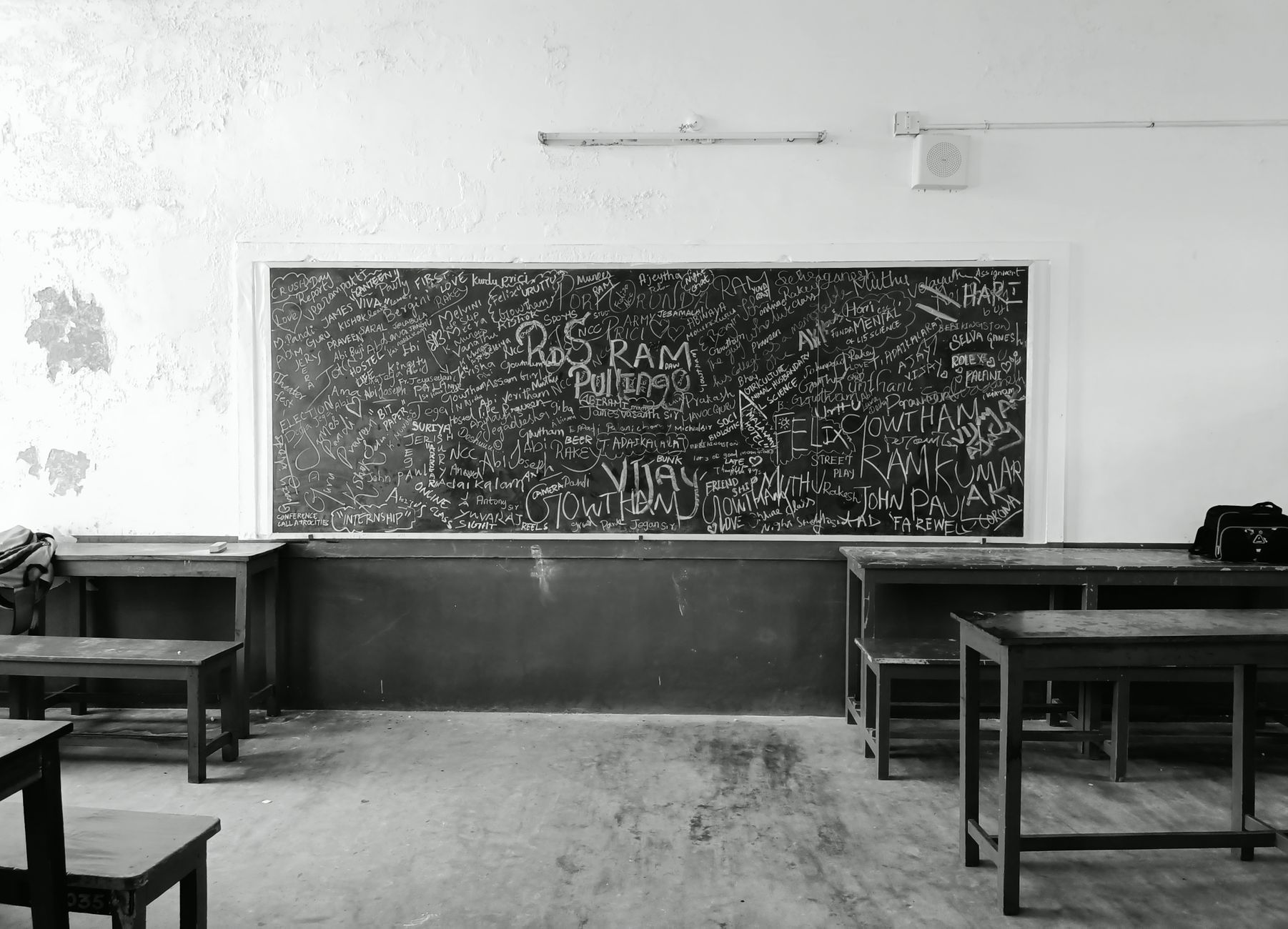
In an innovative twist to tackle the perennial problem of vacant seats, government arts and science colleges across Tamil Nadu have opted to convert quotas. This decision, which aims to fill the empty seats in these institutions, has emerged as a pragmatic solution amidst the challenges posed by the current admissions framework.
At the heart of this initiative is the Coimbatore region, where several colleges have been struggling to attract enough students to fill their undergraduate programmes. Despite the introduction of a more streamlined, marks-based single window counselling system, the issue of vacant seats has persisted, leading educational authorities to explore alternative solutions.
The Quota Conversion Strategy
Principal I. Julie, a key figure in this initiative, explained that the conversion of quotas is not a new concept but one that is being creatively applied to address current needs. By reallocating seats originally reserved for certain categories to general admissions, colleges are seeking to maximise their intake and ensure that educational resources do not go to waste.
This strategy is not without precedent. Similar approaches have been employed in engineering and polytechnic admissions, albeit with varying degrees of success. The challenge lies in balancing the equitable distribution of educational opportunities with the practical need to fill available seats.
Implications for Students and Colleges
The implications of quota conversion are significant. For students, it means greater access to educational opportunities that might otherwise have remained out of reach. For colleges, it presents an opportunity to boost enrolment figures, thereby enhancing their financial viability and academic vibrancy.
However, this approach has sparked a debate about the fairness of reallocating reserved seats. While some argue that it undermines the purpose of reservation policies, others contend that it is a necessary step to ensure that colleges can operate at full capacity.
As the academic year progresses, the effectiveness of this strategy will be closely monitored. In the meantime, the conversation around quota conversion is likely to continue, reflecting broader discussions about access and equity in higher education.