Groundbreaking Diabetes Pill Arrives in UK Pharmacies
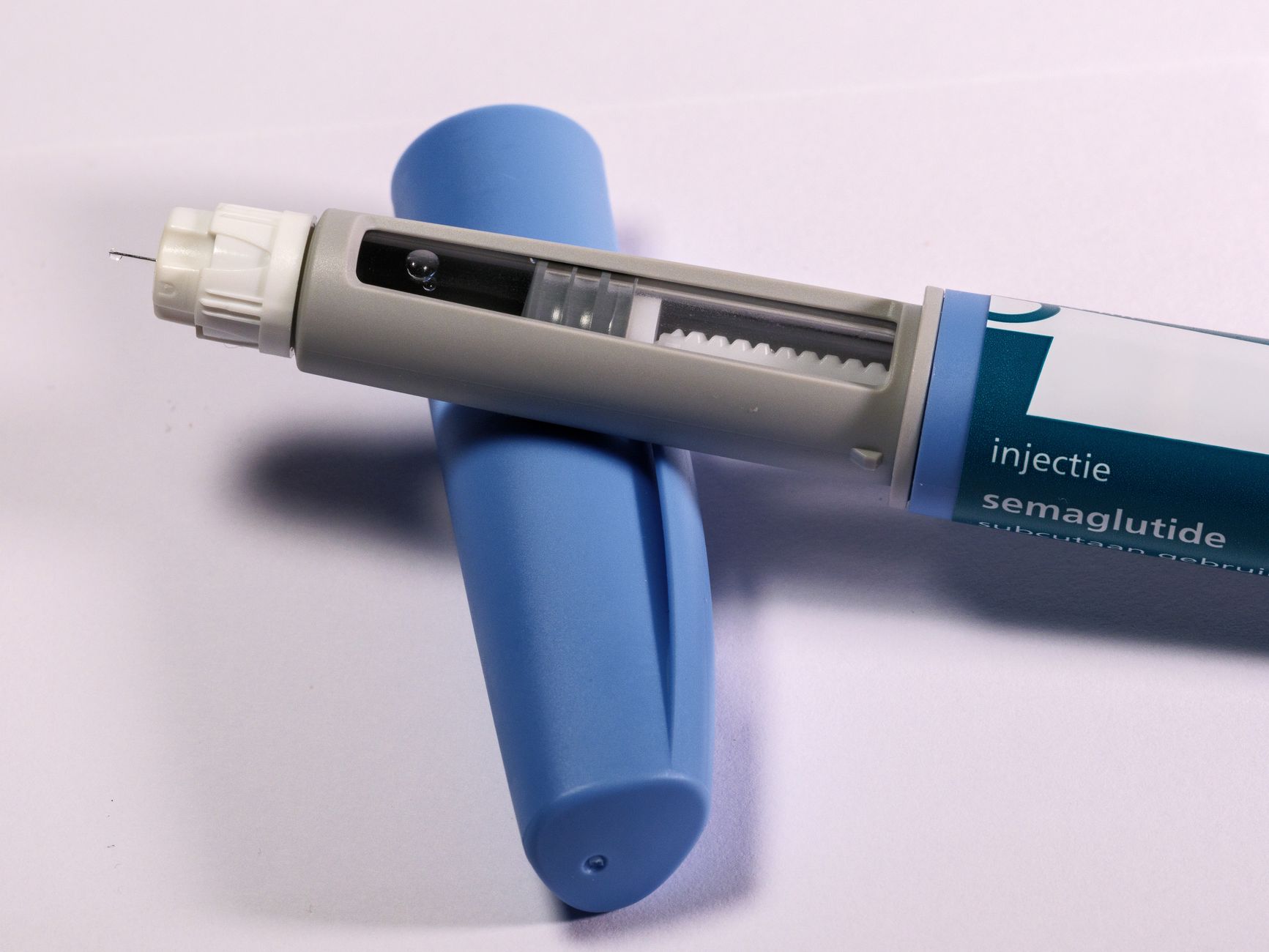
In a move set to transform diabetes treatment, UK pharmacies have begun stocking a daily pill that not only manages blood sugar levels but also aids in weight loss. Foundayo, the brainchild of American pharmaceutical giant Eli Lilly, has made its debut as a promising alternative to injectable diabetes medications.
A Landmark in Diabetes Management
This development is particularly significant for those unable to tolerate injectable treatments. Foundayo, known scientifically as orforglipron, has been authorised by the UK's Medicines and Healthcare Products Regulatory Agency (MHRA) for both weight management and type 2 diabetes treatment. It represents the first approval of its kind in Europe, reflecting a forward-thinking approach in addressing the dual challenges of diabetes and obesity.
Dr Sarah Miles, a leading endocrinologist, remarked, "This is a pivotal moment for diabetes care. Providing patients with an oral medication option mitigates the reliance on injections, which many find cumbersome or distressing."
Counterfeit Concerns
Despite the enthusiasm surrounding this pharmaceutical breakthrough, experts have issued warnings about the potential rise of counterfeit and unlicensed versions of GLP-1 tablets. Pharmacists are urging consumers to be vigilant and to purchase the medication only from reputable sources.
"The demand for such treatments is high, and sadly, it opens the door for fraudulent products," explained John Hartley, a senior pharmacist. "Patients must ensure they receive genuine medication to avoid health risks."
A Broader Impact
The introduction of Foundayo is more than just a new treatment option. It highlights the ongoing battle against obesity and diabetes in the UK, where lifestyle-related illnesses continue to place a strain on the healthcare system. As such, the pill's dual action of controlling blood sugar and aiding weight loss is seen as a significant advantage.
While the full impact of Foundayo remains to be seen, its arrival is undoubtedly a step forward in providing comprehensive care to those living with diabetes. Whether it will become the new standard in diabetes treatment, only time will tell, but it certainly offers hope to many in need.