Groundbreaking UV Sky Map Unveiled by Claude Science
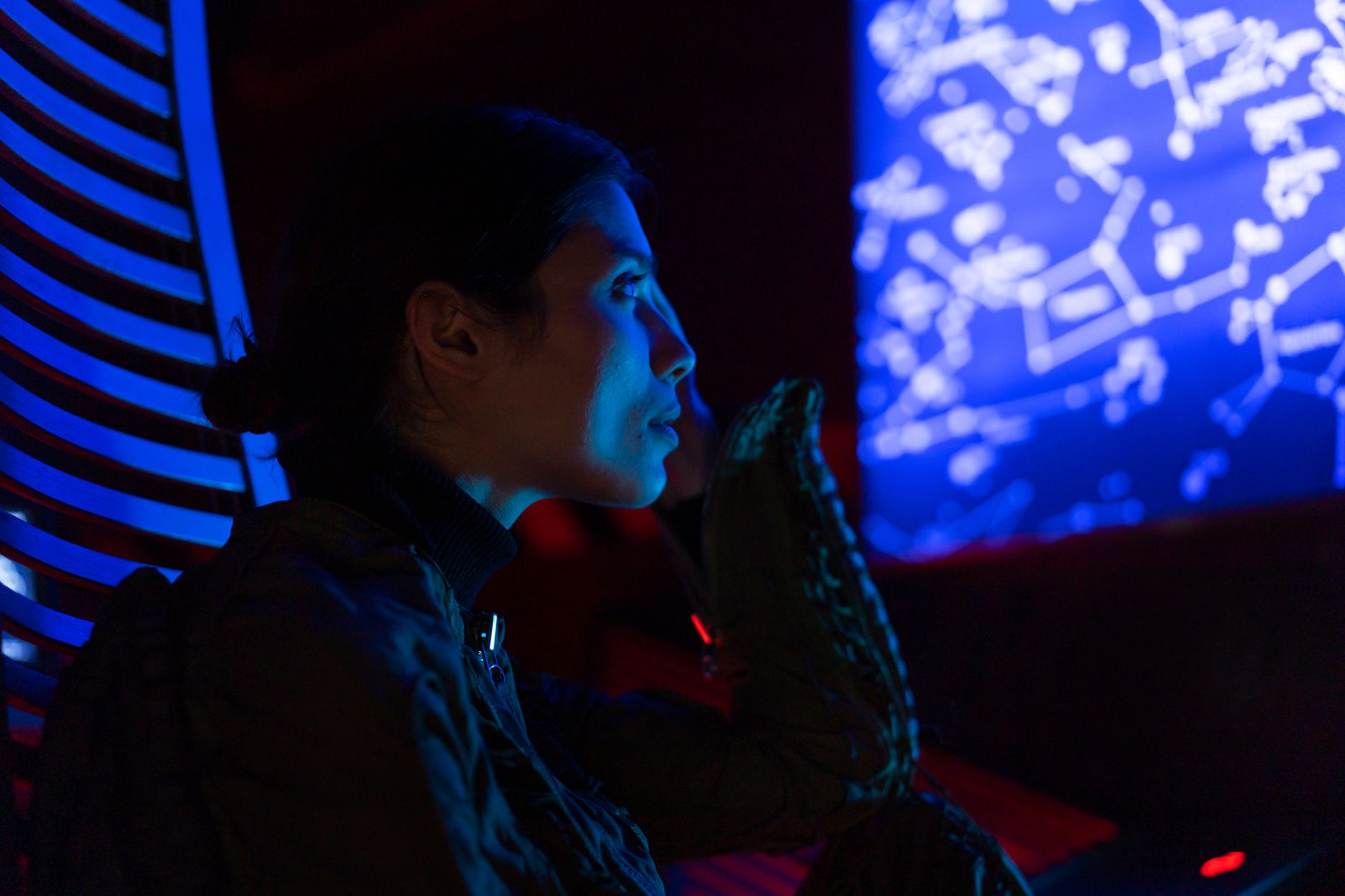
The cosmos has long been a source of fascination, its mysteries enticing scientists and dreamers alike. Now, a new chapter in our understanding of the universe has been written with the unveiling of the first complete map of the sky in ultraviolet light, a creation born from the synergy of human ingenuity and artificial intelligence.
At the heart of this achievement is Brice Ménard, an astrophysicist affiliated with Johns Hopkins University, who collaborated with Anthropic's AI tool, Claude Science. Together, they have crafted a map that reveals the ultraviolet secrets of the cosmos, drawing on data from multiple space observatories, including GALEX, Swift, and Gaia.
This map is not merely a composite of existing surveys. It also predicts and fills in the gaps—specifically, the third of the sky previously unobserved in ultraviolet light. The predictions were rigorously tested, with results astonishingly close to actual UV measurements, boasting a precision within ten percent. Such accuracy underscores the potential of AI to aid in scientific discoveries.
Educational Significance
The implications of this map are profound, especially in educational contexts. Students, often limited to visible light observations, will now have the opportunity to explore the universe through the ultraviolet lens, a perspective that can reveal phenomena invisible to the naked eye. The rich structure of the Milky Way, often obscured in visible wavelengths, unfurls in striking detail at ultraviolet frequencies.
Moreover, this comprehensive map serves as a testament to the power of collaborative efforts between human scientists and AI. It demonstrates how artificial intelligence can expedite processes that traditionally took weeks, now accomplished in mere days, thus accelerating the pace of discovery.
The Promise of AI in Astronomy
While the creation of this map marks a significant milestone, it also sets a precedent for future explorations. The success of Claude Science in this endeavour suggests that AI could play an increasingly pivotal role in astronomical research, enabling scientists to tackle questions that were once considered insurmountable.
In the grand scheme of things, the ultraviolet map of the sky is more than a scientific tool; it is a bridge to a deeper understanding of our universe. As we continue to gaze upwards, the cosmos promises to reveal even more of its splendour, with AI illuminating the path forward.