Groundwater Concerns in Iran's Bardsir Plain: An Analysis
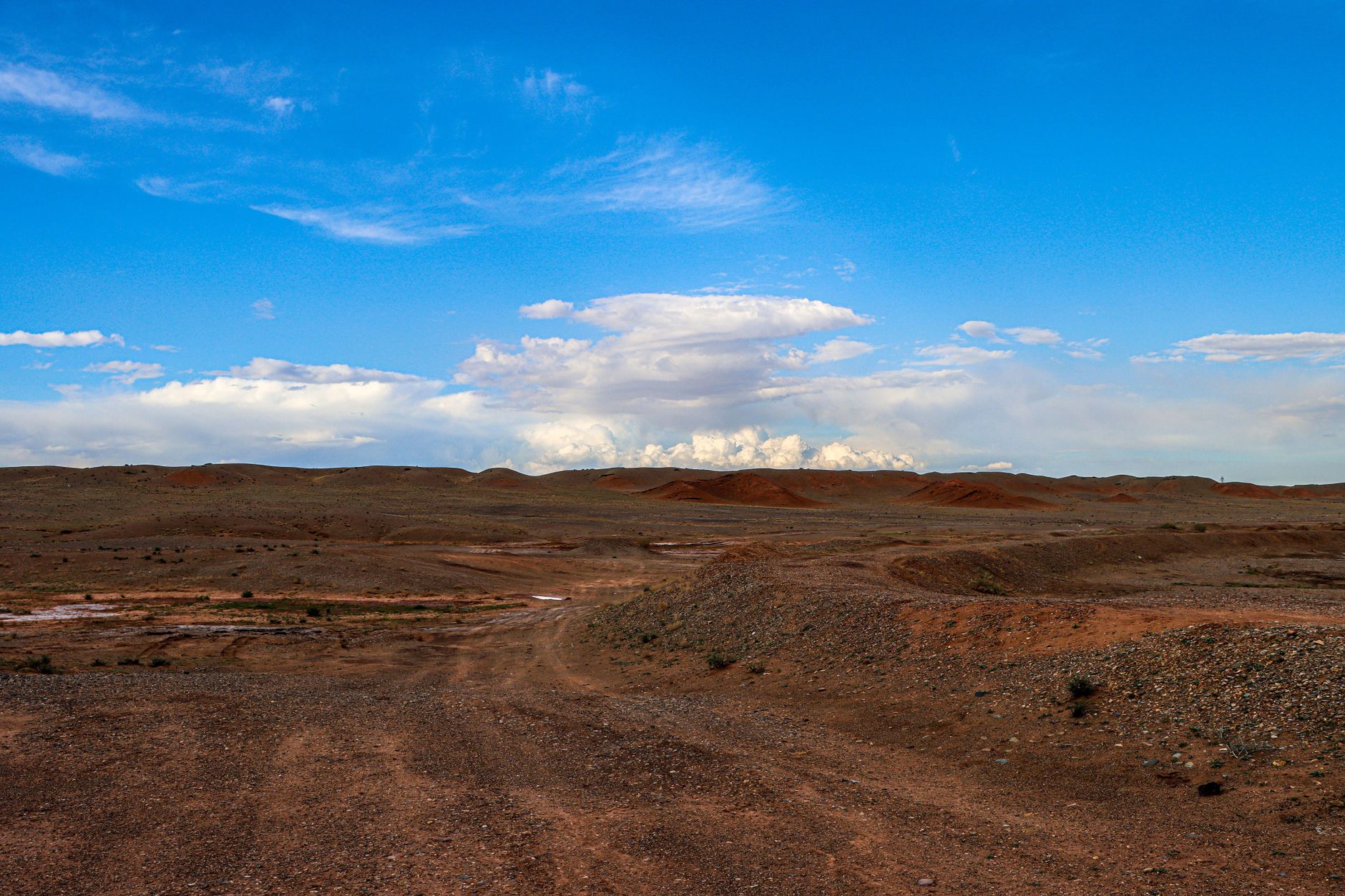
In the arid stretches of Iran's Bardsir Plain, the once-abundant groundwater now harbours a murky secret. Recent assessments employing the Water Quality Index (WQI) and techniques like TOPSIS and CDI-HQ have painted a grim picture of the region's aquifers. The findings suggest that groundwater quality is worryingly substandard in the southeastern, northern, and central parts of the plain.
The WQI values, ranging from 31.77 to 131.76, highlight a stark disparity across the landscape. While some areas boast water fit for consumption, others fall drastically short, posing severe health risks to local populations. This disparity has been attributed to various factors, notably the natural geography and human activities, which have exacerbated the contamination levels.
Health Risks and Public Concerns
The implications of these findings are far-reaching. Poor water quality can lead to a host of health issues, ranging from gastrointestinal diseases to more severe chronic conditions. The local populace, largely dependent on groundwater for daily use, faces increased vulnerability, with limited access to alternative water sources.
Amid growing concerns, the study underscores the necessity for immediate intervention. Recommendations include enhanced monitoring, improved waste management practices, and education programmes aimed at mitigating the adverse effects of contaminated water.
Looking Ahead
Experts advocate for a comprehensive approach that combines traditional knowledge with modern technology. By integrating local insights with global best practices, it is possible to develop sustainable solutions tailored to the unique challenges of the Bardsir Plain.
This situation is not unique to Iran. Across the globe, groundwater quality issues echo in regions like Nigeria and India, where similar studies have revealed the consequences of human-induced and natural changes to water systems. As such, the Bardsir Plain stands as a microcosm of a global challenge—one that demands urgent and coordinated responses.