Gulf Business Recovery: An Unsteady Path to Stability
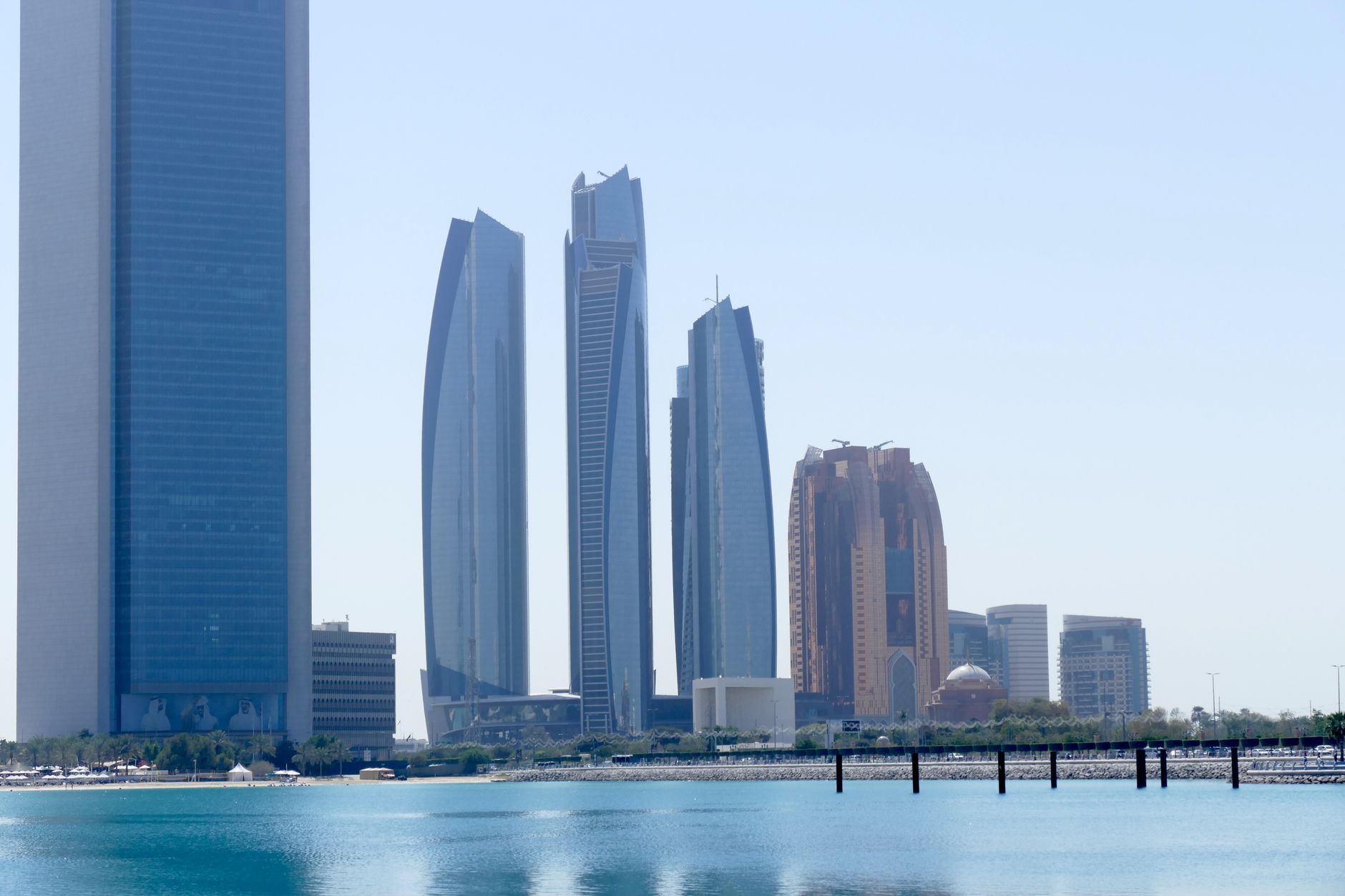
In the shimmering heat of a Dubai afternoon, business owners are quietly taking stock. The bustling streets may paint a picture of normalcy, but beneath the surface, the region's economic engine is sputtering back to life, slowly and uncertainly.
The reopening of the Strait of Hormuz, following a tentative ceasefire between the US and Iran, has offered a sliver of hope to Gulf economies heavily reliant on oil revenues. Yet, the geopolitical landscape remains fraught, and investor confidence is a delicate thread easily frayed.
While tourists once more flock to the UAE's skyscrapers and beaches, the non-oil private sector is yet to see a robust revival. In August, growth in this sector remained tepid, a reflection of the broader challenges facing the region. The Gulf Cooperation Council (GCC) countries, with their ambitious economic diversification plans, are now tasked with navigating this fragile recovery.
Struggling with Trade Disruptions
Maritime business, crucial to the Gulf's trade, is still grappling with the aftermath of recent hostilities. Oxford Economics forecasts a slow return to pre-conflict volumes, as companies adopt a cautious approach amidst lingering uncertainties.
Moreover, the unpredictable nature of global oil prices continues to add a layer of complexity. The region's dependence on oil exports means that any fluctuations in the market can have outsized effects on economic stability.
A Balancing Act
The GCC governments find themselves in a challenging position, trying to balance slower revenue growth with their ambitious diversification agendas. From AI ventures to tourism, the need to broaden economic bases is more pressing than ever.
In this landscape, resilience is key. While the path to recovery is fraught with challenges, the Gulf's ability to adapt and innovate will determine its future course. For now, the region must tread carefully, nurturing investor confidence and maintaining diplomatic stability.