Gulf Economies: Slow Road to Recovery Amid Challenges
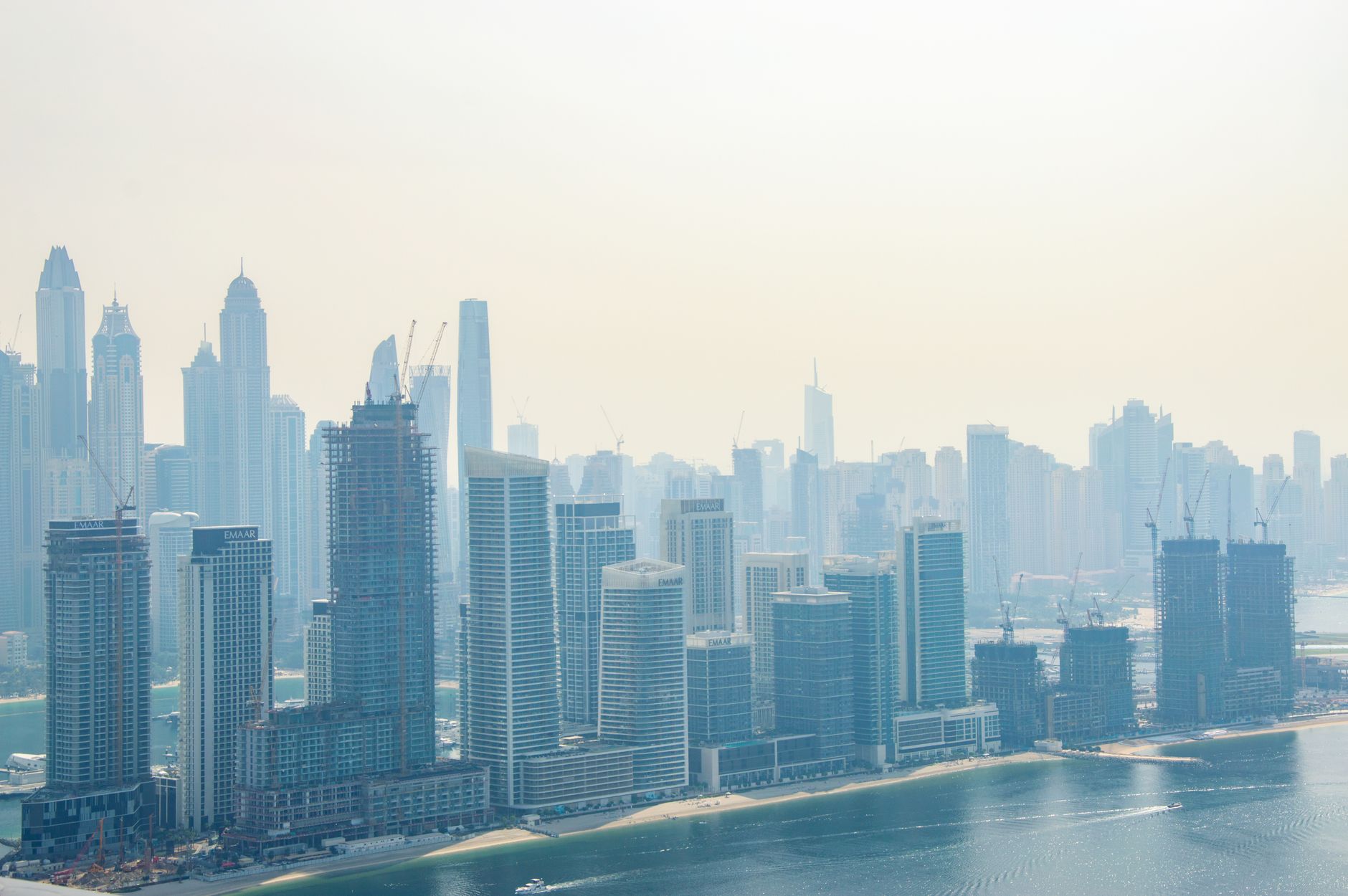
In the wake of geopolitical upheavals, Gulf economies are cautiously treading the path to recovery. Earlier this year, as tensions erupted in the region, Emaar Properties, a barometer for Dubai's economic health, found itself navigating choppy waters. The firm's fortunes reversed dramatically, marking it as the biggest casualty on the local stock exchange.
Yet, amidst these challenges, there lies a glimmer of hope. According to a recent report by the Institute of Chartered Accountants in England and Wales (ICAEW), the Gulf is poised for a robust rebound by 2027, with economies like the UAE predicted to grow by 6.6%, reversing the current contraction. This optimistic outlook, however, is tempered by the reality of higher input costs and fierce price competition.
The Gulf's economic health is intertwined with its oil sector, traditionally a cornerstone of its prosperity. While production has stabilised post the Deepwater Horizon disaster, the region is now charting new territories, exploring diversification beyond oil. This transition, albeit slow, is pivotal for sustained economic growth.
For foreign businesses eyeing the Gulf, the emphasis must be on strategic partnerships and understanding the unique business culture. Trust-building, grounded in authenticity and a deep appreciation of the 'circles of influence' prevalent in the region, is key. The Gulf's recovery, though gradual, promises potential for those willing to navigate its complex landscape.
As businesses recalibrate their strategies, embracing the Gulf's evolving economic narrative could well be their ticket to success. While the recovery is not without its hurdles, the region's resilience and adaptability offer a blueprint for others to follow in these uncertain times.