Gulf Economies Struggle to Bounce Back Amid Ongoing Unrest
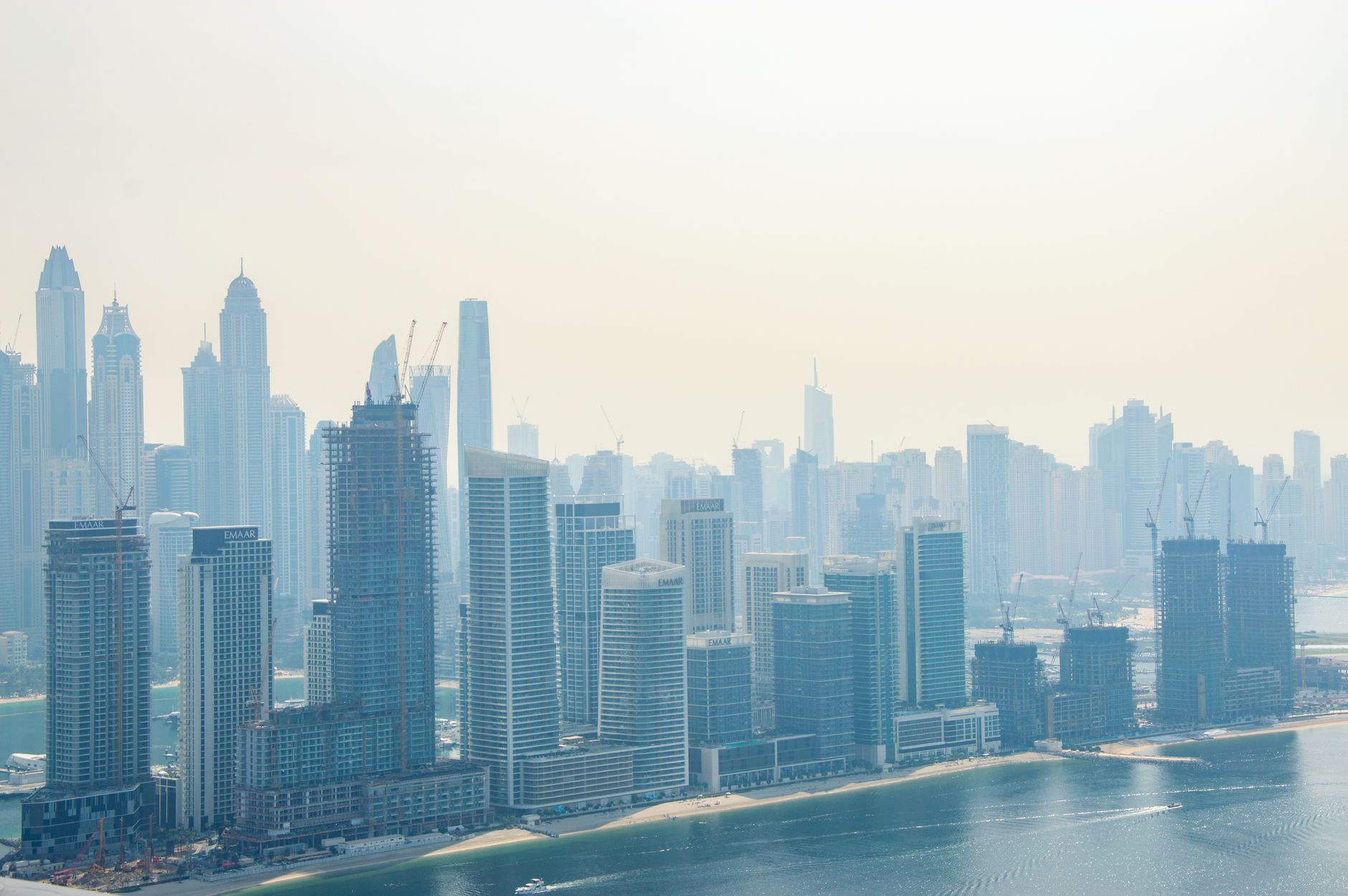
The Gulf, once synonymous with bustling trade and ceaseless economic expansion, now contends with a rather unfamiliar foe: stagnation. Emaar Properties, the iconic developer behind the Burj Khalifa, epitomises the challenges faced by the region's business giants. As the spectre of conflict looms over the Gulf, the company has been forced to recalibrate its ambitions, eyeing international opportunities while local prospects remain clouded.
The outbreak of the Gulf war in February sent ripples through the region's economies, effectively halting the momentum that had been building. Despite enjoying record profits prior to the conflict, Emaar found itself as one of the biggest losers on the local stock market. The company's fortunes, much like the Gulf's economic health, hinge precariously on the volatile political landscape.
Yet, the region is not without its strengths. The UAE, bolstered by its substantial financial reserves and strategic location, continues to project a sense of resilience. Fujairah, with its access to the Indian Ocean, remains a crucial gateway for trade, circumventing the fraught Strait of Hormuz. However, the prolonged disruption has raised questions about the Gulf's reliability as a business hub.
Recent skirmishes between Iran and the United States, coupled with slower maritime traffic through the Strait of Hormuz, threaten to undermine any hopes of a swift economic rebound. The war has laid bare the vulnerabilities of a region heavily reliant on the perception of stability.
As diplomatic efforts falter, businesses and governments alike must navigate an increasingly complex landscape, balancing immediate economic needs with long-term strategic goals. The Gulf's path to recovery, while uncertain, is not without potential. But whether it can overcome the challenges posed by ongoing unrest remains the critical question.