Harnessing AI: A New Era in Disease Understanding and Treatment
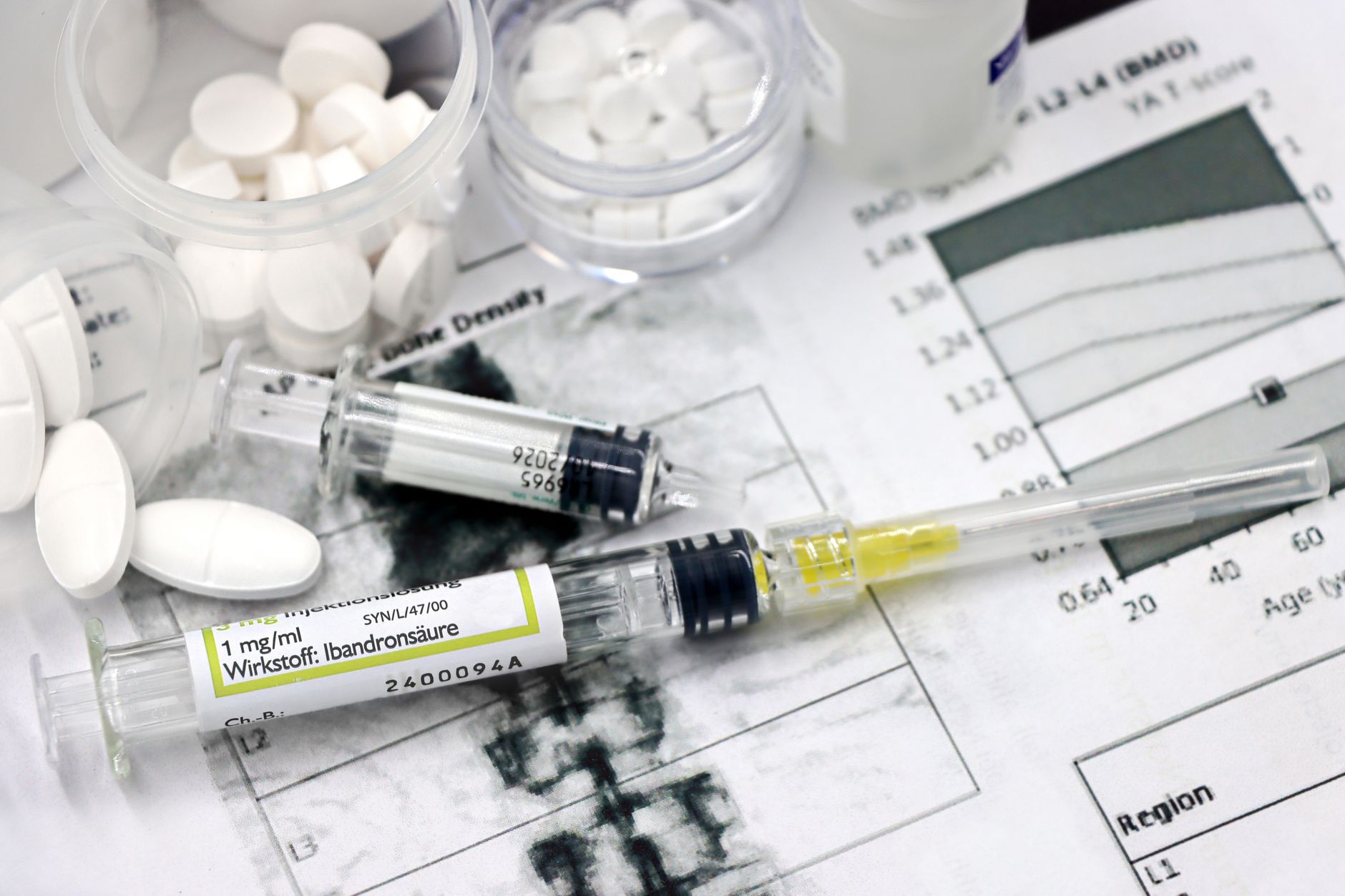
In the hushed corridors of medical science, a technological revolution is quietly underway. Artificial intelligence, once the realm of science fiction, is now a tangible force shaping the future of disease understanding and treatment. At the forefront of this transformation is Google’s AI, which is propelling medical breakthroughs at an unprecedented pace.
AI models are not just aiding scientists in decoding the complex biology of diseases but are also accelerating the arduous process of drug discovery. By compartmentalising individual extracellular vesicles (EVs) and capturing molecules within them, researchers have amplified clarity in their analyses, opening new doors in early disease detection.
The potential implications of these innovations are profound. For decades, the medical community has responded to diseases post onset, often addressing symptoms rather than root causes. Now, with AI's intervention, the paradigm is shifting towards early intervention and prevention. As one researcher noted, "This opens up many doors in the realm of early disease detection and treatment."
Gene-Editing Technologies: A New Frontier
While AI garners headlines, the Broad Institute’s pioneering work in gene-editing technologies like CRISPR-Cas9, base editing, and prime editing is equally groundbreaking. These technologies are currently being tested in over 25 clinical trials, targeting a range of conditions from leukaemias to rare genetic disorders and high cholesterol. Each trial brings hope, not just for treatment but potentially for cures.
Moreover, the advent of mRNA medicines, which prompt the immune system to fight diseases in novel ways, stands in stark contrast to traditional methods. These innovations promise to address diseases more holistically, offering limitless possibilities for treatment and prevention.
A Shift Towards Proactive Healthcare
This technological synergy heralds a shift from reactive to proactive healthcare. By understanding diseases before they manifest, we can potentially alleviate the burden on healthcare systems and improve patient outcomes. The marriage of AI and gene-editing is not just a scientific endeavour; it's a beacon of hope for millions.
As we stand on the cusp of this new era, the challenge lies not in the development of these technologies, but in their ethical implementation and equitable distribution. The future of medicine, it seems, is not just about healing but about harnessing the power of technology to prevent diseases before they take hold.