Harnessing Technology to Decipher and Combat Disease
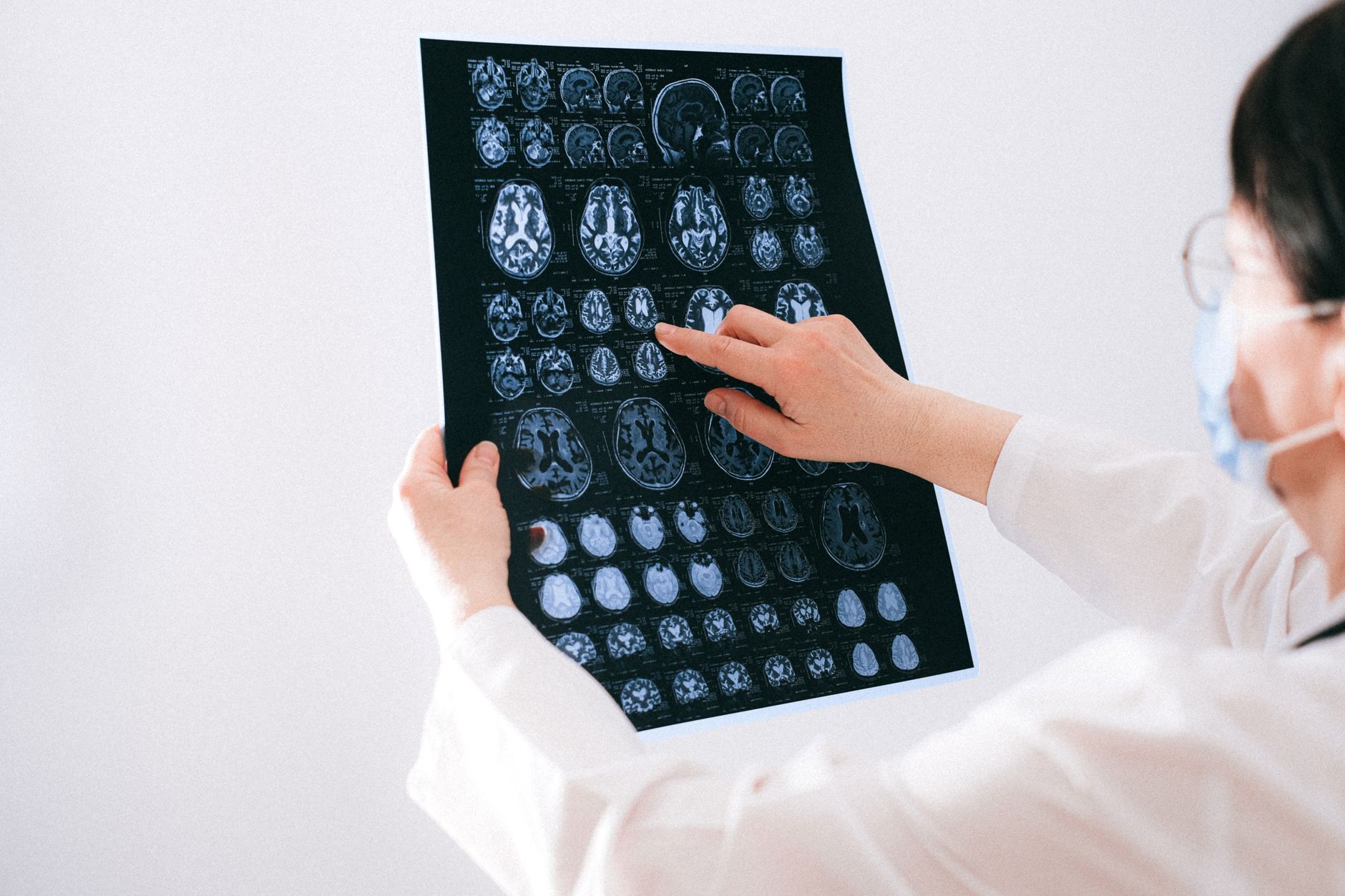
In a world increasingly dominated by technological advancements, the medical field is no exception to this sweeping transformation. The integration of cutting-edge technology in medicine is not merely a passing trend but a fundamental shift that is reshaping our approach to understanding and treating diseases.
At the heart of this revolution lies the ability to explore diseases at a molecular and genetic level. Researchers are now equipped with tools that reveal the hidden mechanics of diseases, allowing them to develop more effective treatments. This is particularly crucial in the battle against complex conditions such as cancer and rare diseases, where conventional methods have often fallen short.
AI: The New Diagnostic Ally
Artificial Intelligence (AI) has emerged as a pivotal force in modern medicine. Its ability to process vast amounts of data quickly and accurately is transforming the way diseases are diagnosed and treated. AI systems can analyse multi-omic and clinical data to provide a comprehensive picture of a patient's health, enabling healthcare providers to tailor treatment plans with unprecedented precision.
Moreover, AI's role extends beyond diagnosis. It is instrumental in risk stratification and treatment planning, offering insights that were previously unattainable. This marks a shift from reactive to proactive healthcare, where potential health issues are identified and addressed before they manifest into serious conditions.
Collaboration and Data Integration
The collaboration between technology and healthcare systems is vital for these advancements. Organisations such as the World Health Organization (WHO) and the National Health Service (NHS) are increasingly leveraging health systems data to optimise patient outcomes. By integrating this data with technological innovations, these organisations are shaping a future where personalised medicine is the norm.
Yet, the journey is not without its challenges. There remains a need for robust policies and frameworks to ensure that these technologies are used ethically and effectively. Policymakers, healthcare providers, and technology companies must work in tandem to navigate these complexities, ensuring that the benefits of technological advancements are realised across the spectrum of human disease.
As we continue to unravel the intricacies of diseases through technology, the promise of a healthier, more informed future beckons. The fusion of technology and medicine is not just an evolution; it is a revolution that could redefine our understanding and treatment of diseases for generations to come.