Harnessing Technology: Unravelling the Mysteries of Disease
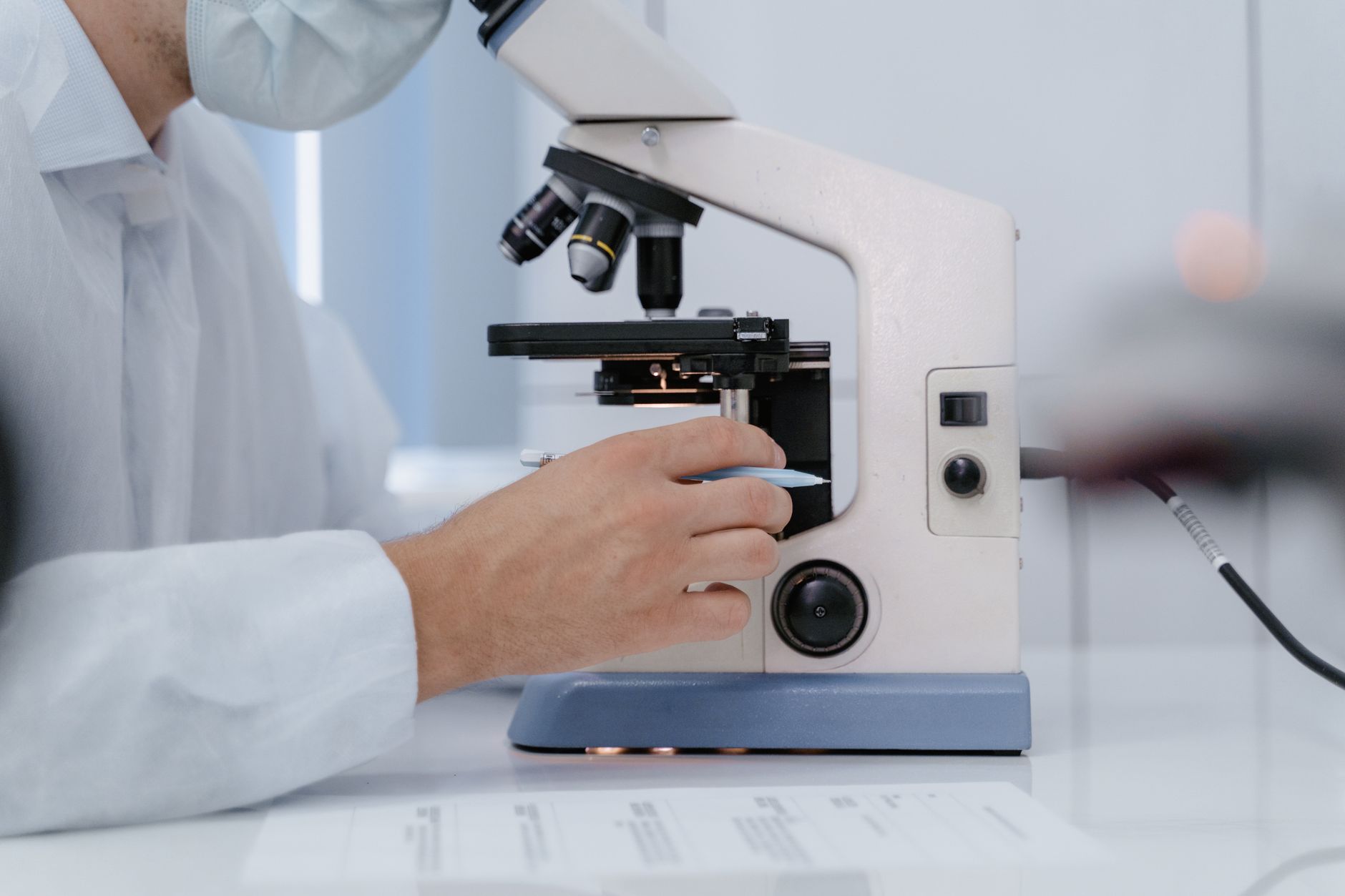
In the heart of modern science lies a revolution, one that seeks to unravel the enigmatic nature of diseases that have long perplexed humanity. With the advent of sophisticated technologies, researchers are now venturing into uncharted territories, offering new insights into the genetic underpinnings of disorders such as Huntington's disease.
Recent studies have revealed unexpected mechanisms by which genetic mutations contribute to the development of this neurodegenerative disease, thus transforming the scientific community's understanding of the disorder. By employing innovative techniques, such as the isolation of individual extracellular vesicles (EVs), scientists have managed to amplify molecular signals, shedding light on the early stages of disease progression.
The Power of Early Detection
Traditionally, the medical fraternity has often found itself on the back foot, tackling diseases only after they have taken root. This reactive approach, while effective to an extent, rarely addresses the root causes. However, the tide is turning. New technologies are enabling more precise diagnostics, allowing for earlier interventions and more successful outcomes. By decoding the molecular language of diseases, researchers are opening doors to treatments that were once the realm of science fiction.
Take, for instance, the burgeoning field of mRNA medicines. These innovative therapies encourage the immune system to build its own arsenal against disease, a method that diverges from conventional treatments. By empowering the body's natural defences, these medicines promise not only to treat but potentially prevent diseases altogether.
A Paradigm Shift in Healthcare
This technological evolution signals a fundamental shift in how we approach healthcare. It's a move from a system that reacts to illness to one that anticipates and mitigates it. The implications are profound, promising more medicines delivered faster, helping a broader array of people than ever before.
As scientists continue to harness these technologies, the hope is that one day, diseases will be nipped in the bud, sparing future generations from the afflictions that have long plagued us. This is not just an advancement in science; it's a reimagining of what healthcare can be—proactive, personalised, and profoundly effective.