Health Ministry Concludes Crucial Review of Disease Surveillance
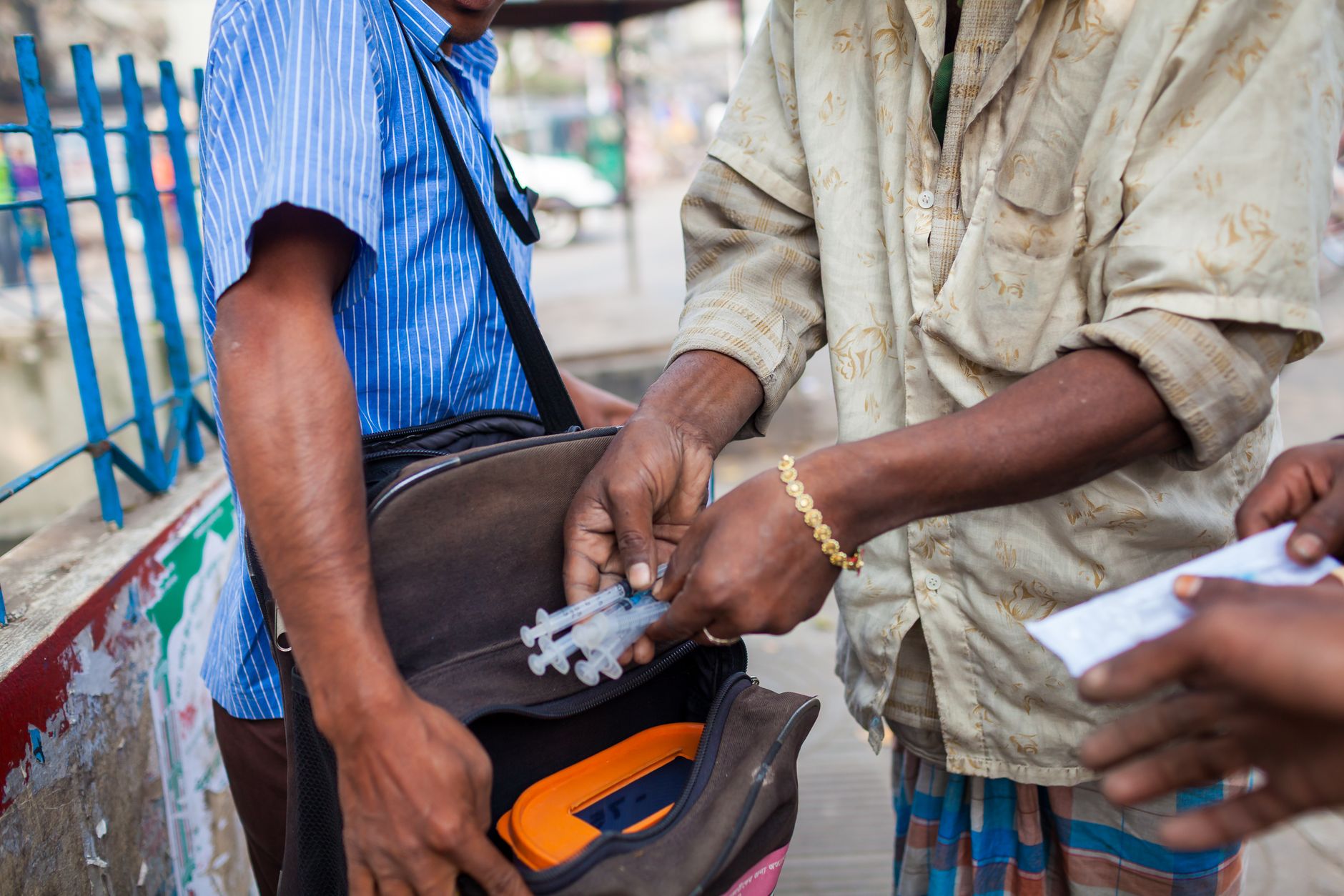
In the heart of Nagpur, a city often overshadowed by its more illustrious neighbours, the Union Ministry of Health and Family Welfare has wrapped up a pivotal two-day National Review Meeting on disease surveillance and public health. This gathering saw representatives from across India's states and Union Territories converge to chart a course for the nation's public health future.
The meeting, held at the Metropolitan Surveillance Units (MSUs), served as a forum to scrutinise the progress made under various national public health initiatives. Discussions centred on strengthening urban disease surveillance systems, particularly in Tier-I and Tier-II cities, where burgeoning populations pose unique challenges.
Enhancing Data-Driven Governance
A key focus of the meeting was the implementation of a robust, data-driven governance model. Delegates reviewed Key Performance Indicators (KPIs) that could provide a structured framework for assessing the efficacy of health programmes. This approach aims to ensure that data collection and analysis lead to actionable insights, ultimately improving public health outcomes.
Dr. Anil Kumar, a senior official from the Ministry, emphasised the importance of such frameworks, saying, "In our quest to improve public health, we must leverage data not just to track progress but to inform policy decisions that impact millions."
Addressing Urban Health Challenges
The discussions were particularly timely given the backdrop of recent health scares in urban centres. While the Ministry has yet to issue a national directive concerning the Kadapa cluster, the meeting underscored the need for a cohesive approach to urban health issues. The representatives deliberated on strategies to enhance the resilience of metropolitan health systems, ensuring they can withstand and respond to crises effectively.
The outcome of this meeting is expected to influence the direction of public health policies significantly. By fostering collaboration between states and union territories, the Ministry aims to create a unified front in tackling health challenges. As cities continue to grow and evolve, so too must the systems designed to protect their inhabitants.
As the dust settles on this gathering, the true test will be in the implementation of the ideas discussed. The health of millions depends not just on plans laid out in conference rooms, but on tangible actions taken on the ground.