Hidden Scientific Gems: Remarkable Finds You Might Have Missed
Amidst the cacophony of scientific advances, some stories slip through the cracks, only to be rediscovered later as gems. This month, we delve into six such narratives that might have escaped your notice but are no less intriguing.
First, a nod to the past with Thomas Edison's revived battery design, which might just be the answer to the renewable energy conundrum. Originally devised over a century ago, this nickel-iron battery, sidelined by the allure of the lithium-ion, promises a more sustainable future with its ability to withstand the ravages of time and wear.
Meanwhile, in the realm of the oceans, scientists have finally cracked the dolphin speed mystery. These marine acrobats have long baffled researchers with their ability to swim at speeds seemingly beyond their physical limits. The secret, it turns out, lies in their unique muscle structure, offering insights that might one day influence underwater vehicle design.
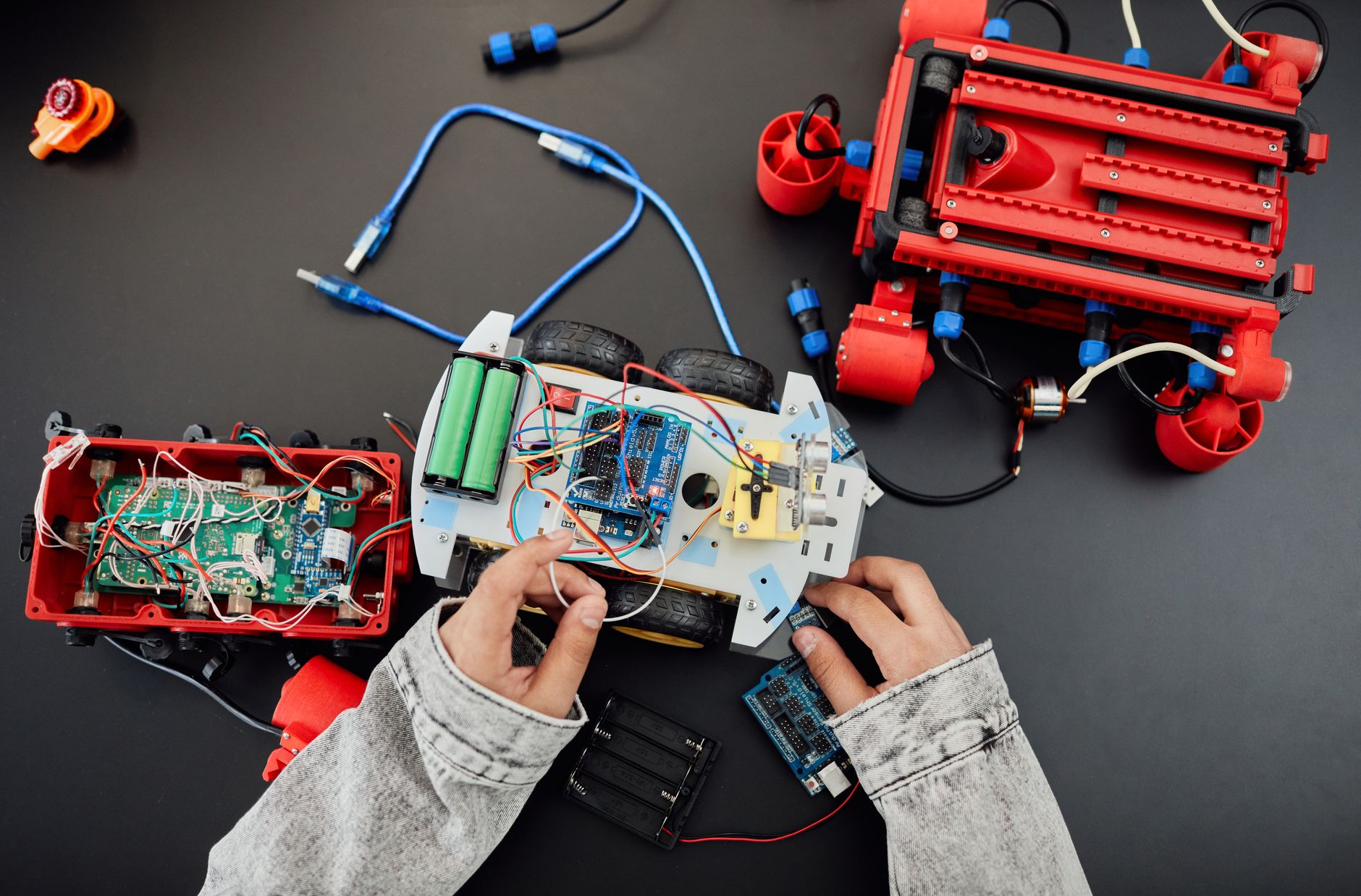
On land, the fusion of insects and robotics is no longer the stuff of science fiction. Biohybrid robots, controlled via neural interfaces, are being harnessed for their agility and adaptability, paving the way for future developments in search and rescue missions.
In a discovery that sounds more like a pub anecdote than serious science, researchers have uncovered the role of urine in mushroom communication. This unexpected finding reveals the complex interactions within ecosystems and could have implications for agricultural practices.
As for the eternal brilliance of gold, it appears the mystery has been solved. Scientists have pinpointed the atomic interactions that prevent tarnish, potentially leading to new materials with similar properties.
Lastly, celestial wonders continue to surprise us. The study of stellar companions has uncovered relationships in the cosmos that redefine our understanding of star formation and evolution.
These stories, though they might not dominate headlines, represent the fascinating breadth of human inquiry. They remind us that science is as much about the small revelations as it is about the grand discoveries.