How Barcodes and Checklists Are Revolutionising Hospital Safety
In a world where precision is paramount, hospitals are quietly adopting technologies that are fundamentally reshaping patient safety protocols. Imagine a nurse, barcode scanner in hand, ensuring that the right medication reaches the right patient. This isn't just a futuristic vision—it's the reality in many hospitals today.
Barcodes, once the domain of supermarket checkouts, have found their place in the healthcare sector, significantly reducing medication errors. A simple scan at the patient's bedside can prevent potentially life-threatening mistakes. Studies suggest that such systems have averted nearly 90,000 medical errors annually, underscoring their critical role in modern healthcare.
From Operating Theatres to Patient Wards
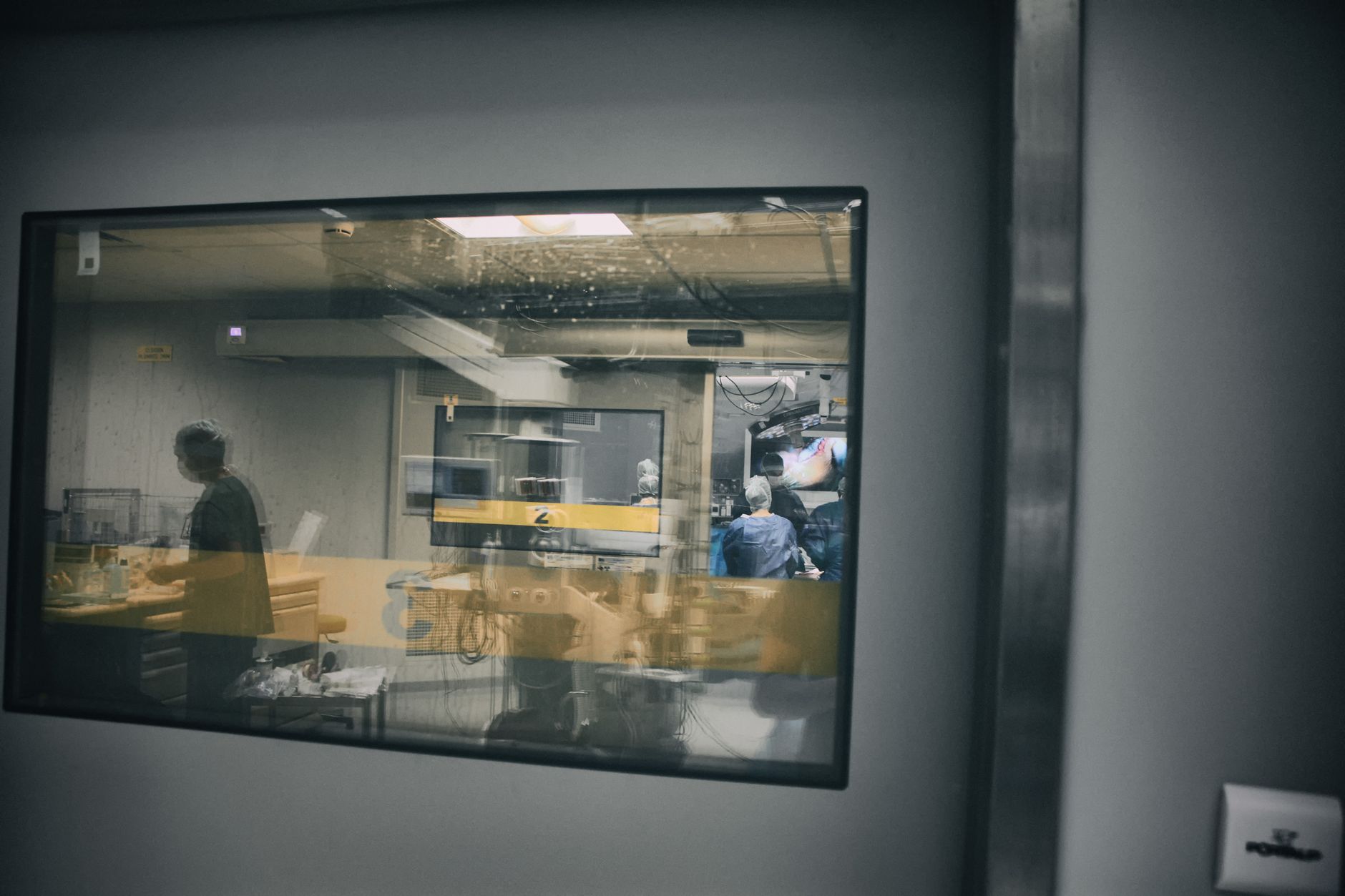
In the bustling environment of an operating theatre, precision is non-negotiable. Barcode and RFID technologies now help track surgical instruments with meticulous accuracy. Each instrument is scanned and checked against a digital list, ensuring that nothing is amiss when the surgical team begins their work. This not only streamlines the process but also provides an added layer of security, reducing the chances of post-operative complications.
Beyond the operating room, barcodes enhance safety in patient wards. By integrating barcoding with patient records, hospitals can ensure accurate drug dispensing, reducing the risk of adverse drug interactions and allergic reactions. The system’s efficiency supports nursing staff, allowing them more time to focus on patient care rather than administrative tasks.
The Future Beckons
As technology continues to evolve, so too does its application in healthcare. The integration of these technologies is not without its challenges, from the costs of implementation to the training required for staff. However, the benefits, in terms of enhanced patient safety and operational efficiency, are undeniable.
Looking ahead, the marriage of technology and healthcare promises to drive further innovations. As hospitals continue to embrace these digital tools, the ultimate goal remains clear: delivering safer, more effective care for every patient.