How Chatbots Are Shaping Health Queries Across the Globe
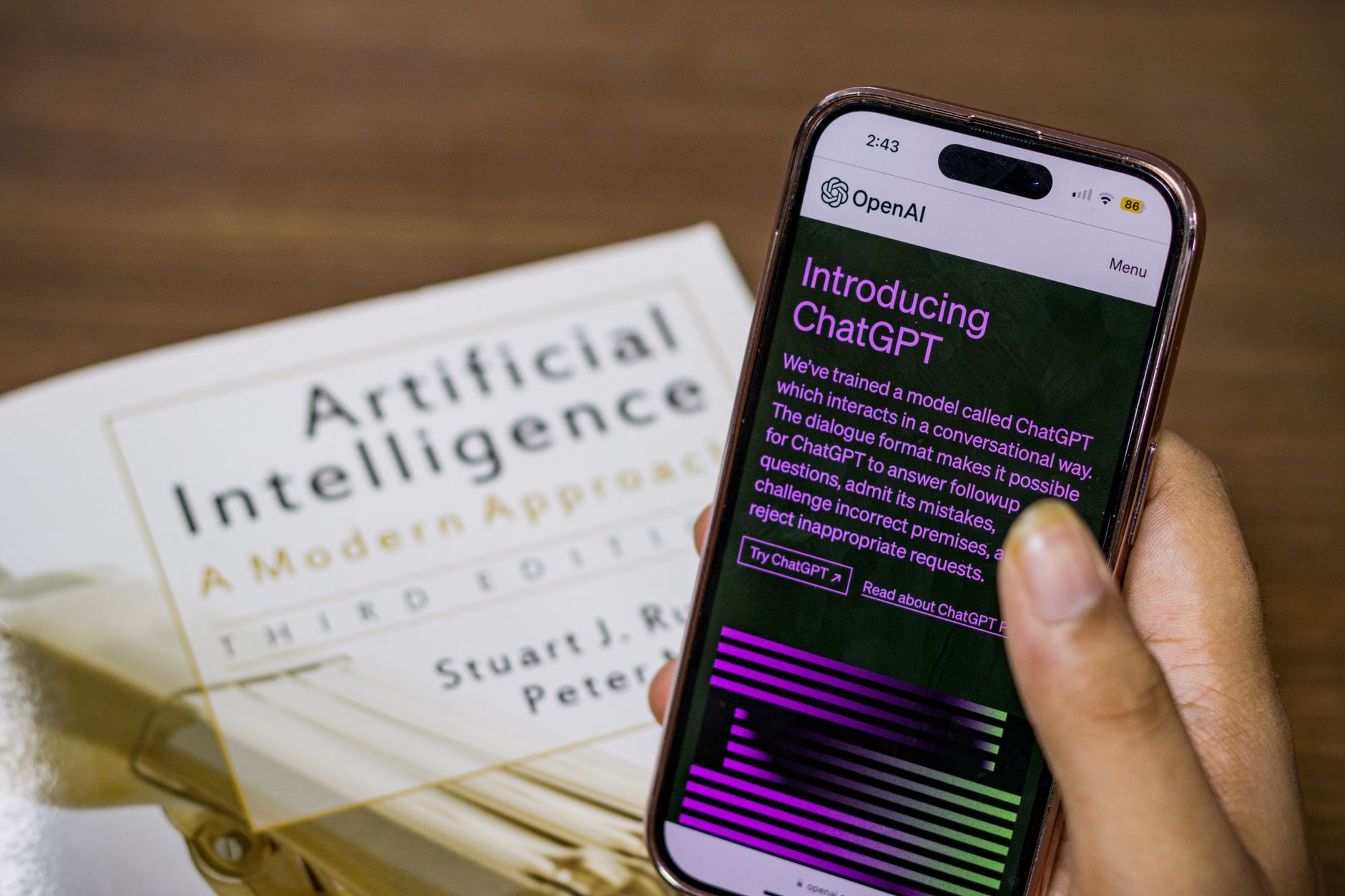
Picture a world where your healthcare queries are answered not by a human, but by an artificial intelligence. This scenario is increasingly becoming a reality, as evidenced by a recent global analysis of 1.7 million health-related interactions using Microsoft's Copilot in 109 countries. The study reveals a mosaic of usage patterns that vary significantly based on country-level factors, such as income and regional characteristics.
The research conducted by Philipp Schoenegger et al., published in Nature Health, delves into the nuances of how different populations engage with AI for health-related queries. The findings suggest that in wealthier nations, chatbots are often used for more complex, diagnostic enquiries, whereas in lower-income countries, the focus tends to be on basic health information and preventative care tips.
Income Levels and Their Influence
Income disparity plays a crucial role in shaping the type of health queries directed towards AI. In high-income countries, where there's a greater prevalence of chronic diseases and access to sophisticated healthcare, chatbots are used as supplementary tools for managing long-term health conditions. In contrast, in regions with limited healthcare infrastructure, chatbots serve as vital sources of basic healthcare advice and support.
This division not only highlights the digital divide but also underscores the potential of AI to bridge gaps in healthcare access. By tailoring chatbot capabilities to suit the needs of different regions, there's an opportunity to enhance healthcare delivery globally.
Regional Characteristics and Chatbot Interactions
Beyond income, regional characteristics such as cultural attitudes towards technology and healthcare systems also influence chatbot interactions. For instance, countries with a high level of technological adoption exhibit more frequent and varied use of AI for health-related queries. Cultural factors, such as trust in technology and privacy concerns, also play a pivotal role.
This understanding opens up new avenues for policymakers and tech developers to create more effective, culturally sensitive AI health tools. By recognising these nuances, there's potential to improve user engagement and satisfaction, ultimately leading to better health outcomes.
As AI continues to permeate the healthcare sector, studies like this highlight the importance of understanding user dynamics on a global scale. The insights gathered are crucial for developing AI solutions that are not only technologically advanced but also equitable and accessible to all.