How Continuous Glucose Monitors Transform Type 2 Diabetes Care
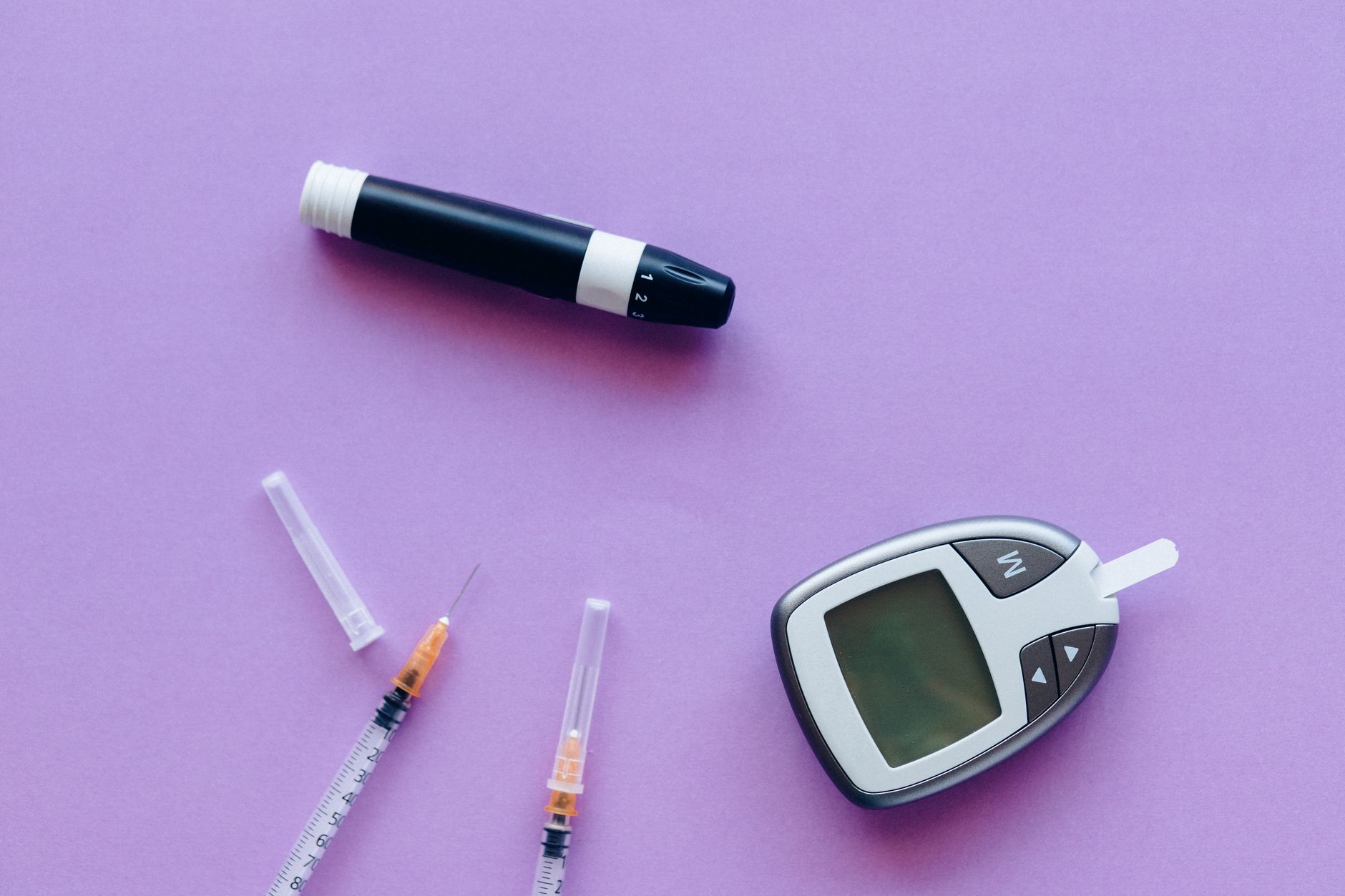
In a remarkable stride for diabetic care, continuous glucose monitors (CGMs) have emerged as a transformative tool for individuals battling type 2 diabetes. These devices, which provide real-time data on glucose levels, are enabling patients to maintain their blood sugar within a healthy range for an additional five hours each day.
The implications of this are profound, considering type 2 diabetes is a chronic condition affecting millions worldwide, characterised by insulin resistance or insufficient insulin production. By offering a clearer picture of glucose fluctuations, CGMs empower patients to make informed decisions about their diet, exercise, and insulin usage.
Reducing Risks, Improving Lives
Research indicates that the benefits of CGMs extend beyond mere convenience. A study has shown that type 2 diabetes patients using CGMs while on basal insulin therapy experienced a 44% reduction in the risk of mortality from any cause after one year, with the risk remaining significantly lower after two years. This highlights the potential of CGMs not only to enhance quality of life but also to extend it.
Unlike traditional methods that rely on periodic finger-prick tests, CGMs track glucose levels in the interstitial fluid—found between cells—providing a more comprehensive view of the body's glucose dynamics. This continuous monitoring allows for more timely interventions, reducing the likelihood of dangerous hyperglycaemic or hypoglycaemic episodes.
A New Era in Diabetes Management
While CGMs are not a cure, they represent a significant leap forward in diabetes management. By offering more intensive monitoring without the need for a prescription, they have become more accessible to a broader range of patients. The integration of these monitors with smartphone apps further enhances their utility, allowing users to track trends and receive alerts when their glucose levels stray from the target range.
As the prevalence of type 2 diabetes continues to rise, the role of CGMs in managing this condition becomes ever more critical. These devices not only offer a more nuanced understanding of an individual’s metabolic state but also foster a proactive approach to health management.
In conclusion, while the fight against type 2 diabetes is far from over, continuous glucose monitors provide a beacon of hope. By enabling patients to gain greater control over their condition, these devices are not just monitoring glucose levels—they're changing lives.