How Dogs Truly Understand Us: The Science Behind Canine Brains
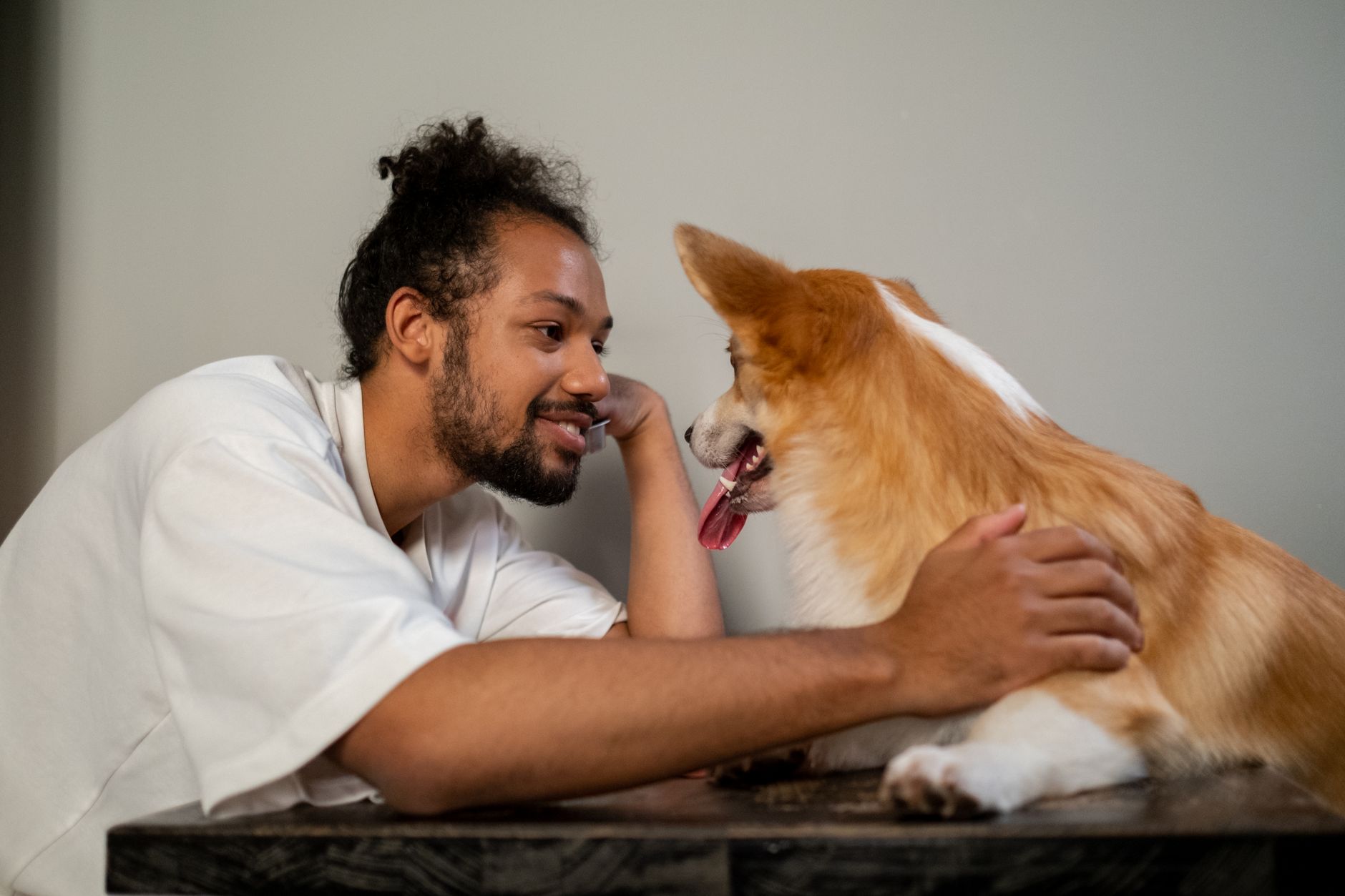
Do you ever get the feeling that your dog truly understands you? Well, according to the latest research from Hungary, you might be closer to the truth than you think. Scientists have discovered that dogs' brains are not just tuned to pick up on our commands but are wired to comprehend the meaning behind our words and the tone in which they are delivered.
The study, conducted by researchers who scanned canine brains as their owners spoke, reveals that dogs have evolved specialised brain networks. These networks are adept at processing both the semantics of spoken words and the intonation used. This dual capability allows them to interpret human speech in a way that is surprisingly sophisticated.
While it might be tempting to attribute these abilities to domestication, the evidence suggests otherwise. Unlike other domesticated animals, such as wolves raised by humans, dogs appear to have developed this particular skill set as part of their evolutionary journey alongside humans. Erin Hecht, a scientist with a passion for both research and her own furry friends, noted that this evolutionary leap is indicative of a deeper relationship between dogs and humans, one that goes beyond mere survival strategies.
For centuries, humans and dogs have shared a mutually beneficial relationship. Dogs have been our companions, protectors, and helpers. However, this study sheds new light on the depth of understanding that dogs can achieve. It suggests that our canine companions are not just reacting to our commands but are genuinely engaged in a form of communication.
The Evolutionary Perspective
From an evolutionary standpoint, this adaptation is significant. It indicates that dogs did not merely adapt to human environments but evolved to become more attuned to human interaction. This is a trait that wolves, their closest wild relatives, do not share even after being raised by humans.
Understanding the nuances of human speech could have provided dogs with an evolutionary advantage, enabling them to forge stronger bonds with their human counterparts. This bond, in turn, could have led to better protection, more access to resources, and ultimately, survival.
As the research unfolds, it becomes clear that dogs are not just pets but are partners in a cross-species relationship that continues to evolve. So, next time your dog cocks its head and looks at you with those understanding eyes, remember that there's a lot more going on in that furry head than you might have imagined.