How IACS Pioneered India's Scientific Renaissance
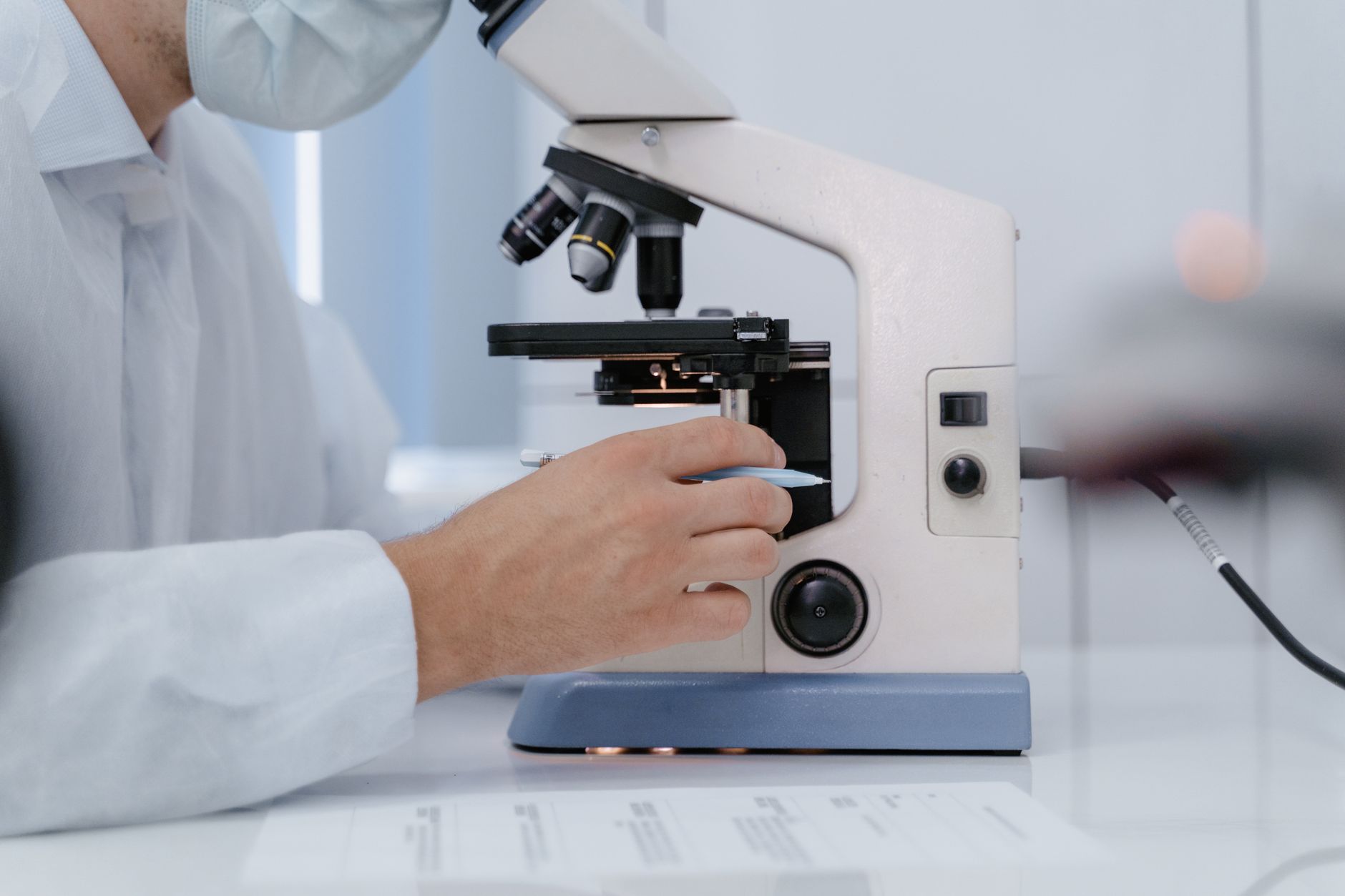
On a humid July day in 1876, the Indian Association for the Cultivation of Science (IACS) opened its doors in Calcutta, marking a new chapter in India's scientific history. The brainchild of Mahendralal Sircar, a visionary doctor who believed in the transformative power of science, IACS sought to galvanise Indian minds towards scientific discovery and innovation.
Sircar's vision was both radical and timely. At a period when colonial India was largely dependent on British scientific institutions, IACS emerged as a beacon of self-reliance. This was not merely an academic endeavour; it was a defiant statement of intellectual independence. By providing Indians with the infrastructure and resources to conduct their own research, IACS laid the groundwork for what would become a thriving scientific community in India.
A Legacy of Innovation
Over the years, IACS has been the cradle of numerous scientific breakthroughs. It is perhaps best known for being the institution where C.V. Raman, the first Asian to win a Nobel Prize in the sciences, conducted his pioneering work on the scattering of light, known today as the Raman Effect. This achievement not only placed Indian science on the global map but also served as a catalyst for future generations of researchers.
Today, as IACS celebrates its 150th anniversary, its legacy is more vibrant than ever. The institution continues to be at the forefront of scientific research in India, pushing the boundaries of knowledge in fields ranging from physics to chemistry. It stands as a testament to Sircar's belief in the potential of Indian intellect and the importance of nurturing it through dedicated institutions.
The Road Ahead
While IACS has achieved much, the journey of Indian science is far from over. The institution's leadership is acutely aware of the challenges that lie ahead in maintaining India's scientific competitiveness on the world stage. Investment in research, particularly in emerging technologies, remains a critical area of focus.
Moreover, there is a renewed emphasis on collaboration, both within India and internationally. By fostering partnerships with global scientific communities, IACS aims to further enrich its research capabilities and contribute to solving some of the world's most pressing problems.
As India stands on the cusp of new scientific discoveries, the foundation laid by IACS will undoubtedly continue to be a source of inspiration and strength. The institution's journey from a solitary building in Calcutta to a bastion of modern science is a testament to the enduring power of vision, determination, and intellectual courage.