Huajiang Bridge: From Engineering Marvel to Tourist Magnet
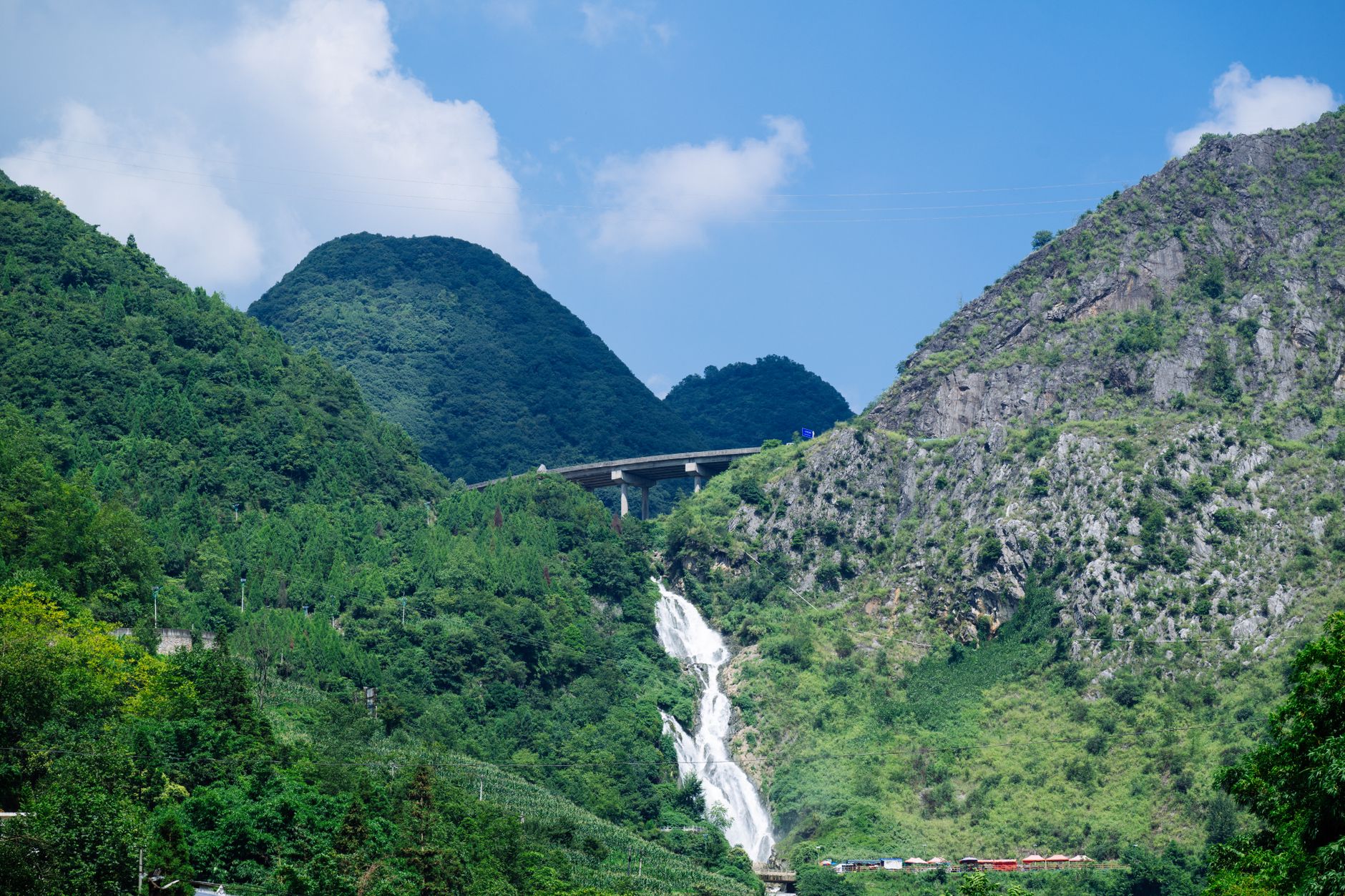
Perched amidst the rugged landscapes of southwestern China, the Huajiang Grand Canyon Bridge has rapidly transcended its primary function as a transit artery to become a celebrated tourist attraction. This stunning structure, soaring over the canyon in Guizhou Province, has captured the imaginations of visitors from across the globe.
During the recent National Day holiday, the bridge witnessed a throng of tourists, not merely passing over its span, but halting to soak in the commanding vistas it offers. The bridge, known for being the world's highest, stands as an emblem of China's prowess in conquering its challenging topography. Yet, it is the bridge's magnetic allure as a destination in its own right that is drawing attention.
Engineering Feat and Tourist Draw
Completed in a feat of modern engineering, the Huajiang Bridge is a testament to human ingenuity. Its towering glass walkways and the café nestled atop one of the pylons offer visitors a unique blend of thrill and leisure. The bridge’s design is not just practical but aesthetically striking, providing an experience that extends beyond mere transit.
This shift highlights a broader trend in tourism, where infrastructure projects become destinations themselves. It's a testament to the growing appeal of architectural wonders and the shifting expectations of tourists seeking more than just scenic beauty. Such developments echo a changing narrative in how travel experiences are curated.
Implications for Tourism Development
The rise of the Huajiang Bridge as a tourist hotspot underscores a significant shift in China's tourism strategy. By transforming infrastructural achievements into tourism magnets, China is not only showcasing its engineering capabilities but also diversifying its tourism offerings. This could potentially pave the way for similar projects around the world, where infrastructure becomes an integral part of the tourism landscape.
As the bridge continues to draw crowds, the surrounding region stands to benefit economically, with increased footfall likely to boost local businesses and services. It’s a vivid illustration of how tourism can be integrated into the very fabric of a nation's developmental agenda, offering a dynamic and multifaceted approach to economic growth.