Huawei Unveils New Chipmaking Shortcut Amid U.S. Sanctions
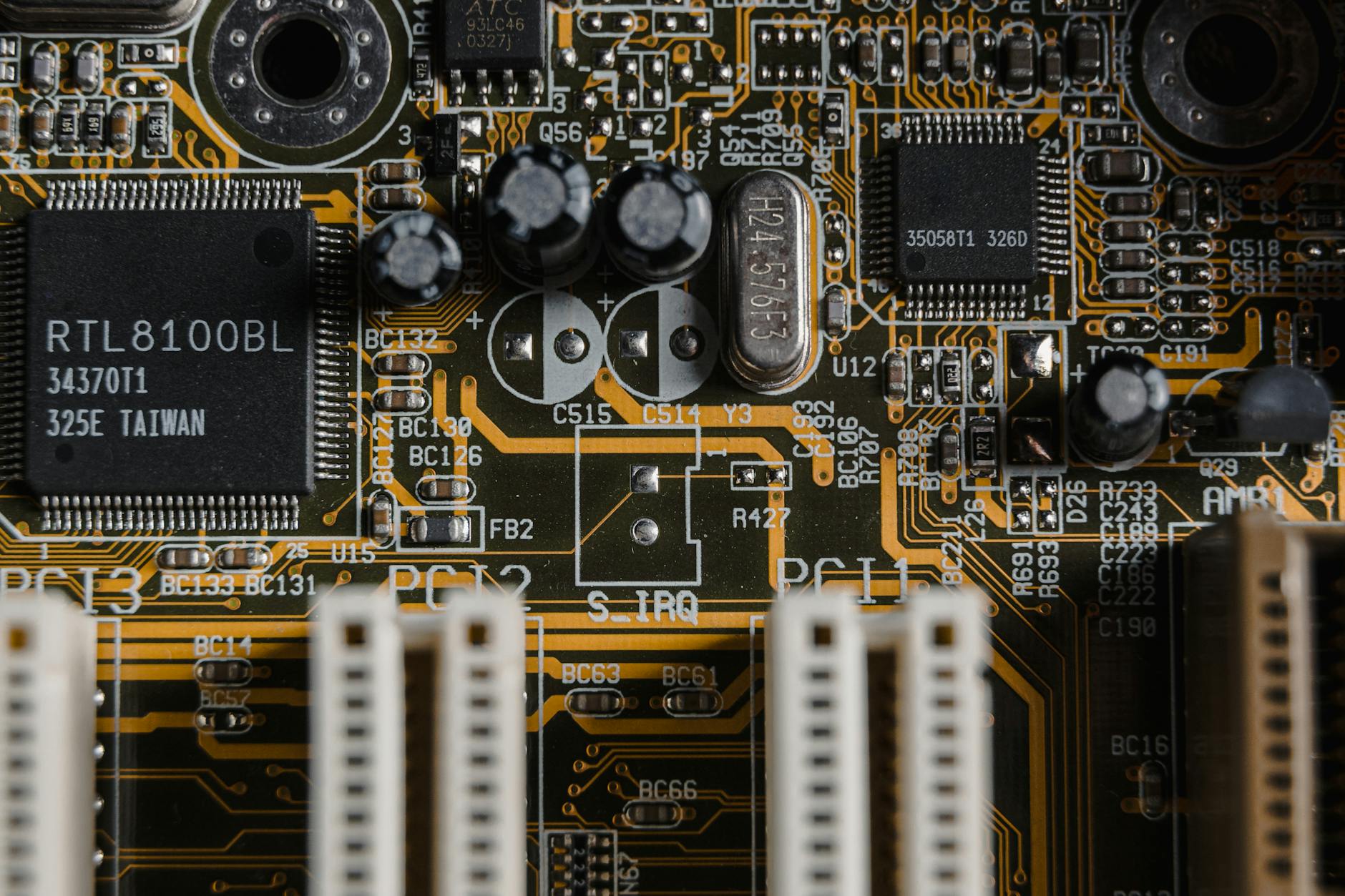
In the bustling metropolis of Shanghai, Huawei has unveiled what it claims is a significant breakthrough in semiconductor technology. The Chinese technology behemoth announced on Monday that it has developed a method to produce semiconductors that could defy the stringent restrictions imposed by the United States. These restrictions have hitherto prevented Huawei from accessing the most advanced chipmaking equipment, a move intended to curb China's technological ambitions.
At a tech conference, Huawei's representatives were keen to highlight the potential of their innovation. By 2031, the company expects its chips to reach a transistor density equivalent to the cutting-edge 1.4-nanometer processes currently dominated by industry giants like TSMC. This is a marked improvement from the 7-nanometer processes that are the pinnacle of China's chipmaking capabilities today.
Huawei’s announcement is not merely about technological prowess; it is a bold geopolitical statement. As the United States continues to tighten its grip on technology exports to China, Huawei's development signals Beijing's resolve to forge its own path in the global tech ecosystem. It also serves as a reminder of the ongoing tensions between the two superpowers, with technology being a key battleground.
The Road Ahead
Huawei's progress in chipmaking technology is a significant step, but it is not without challenges. The path to achieving 1.4-nanometer transistor density is fraught with technical hurdles. Moreover, the broader implications of this technological leap cannot be ignored. As Huawei pushes boundaries, it may prompt further scrutiny and action from the United States and its allies.
Industry analysts suggest that while Huawei's ambitions are commendable, the company must navigate a complex web of international regulations and market dynamics. The potential for Huawei to become self-reliant in chipmaking could alter the competitive landscape of the semiconductor industry, traditionally dominated by Western companies.
A Global Impact
For consumers and businesses worldwide, Huawei's advancements may offer a glimpse into a future where technological innovation is not solely dictated by Western nations. However, the geopolitical implications are profound. As China continues to assert its technological independence, the global balance of power in the tech industry may witness a paradigm shift.
As the world watches closely, Huawei's journey to circumvent U.S. sanctions through technological innovation could very well redefine the rules of engagement in the tech arena.