Hubble Observes Andromeda's Star Formation in Decline
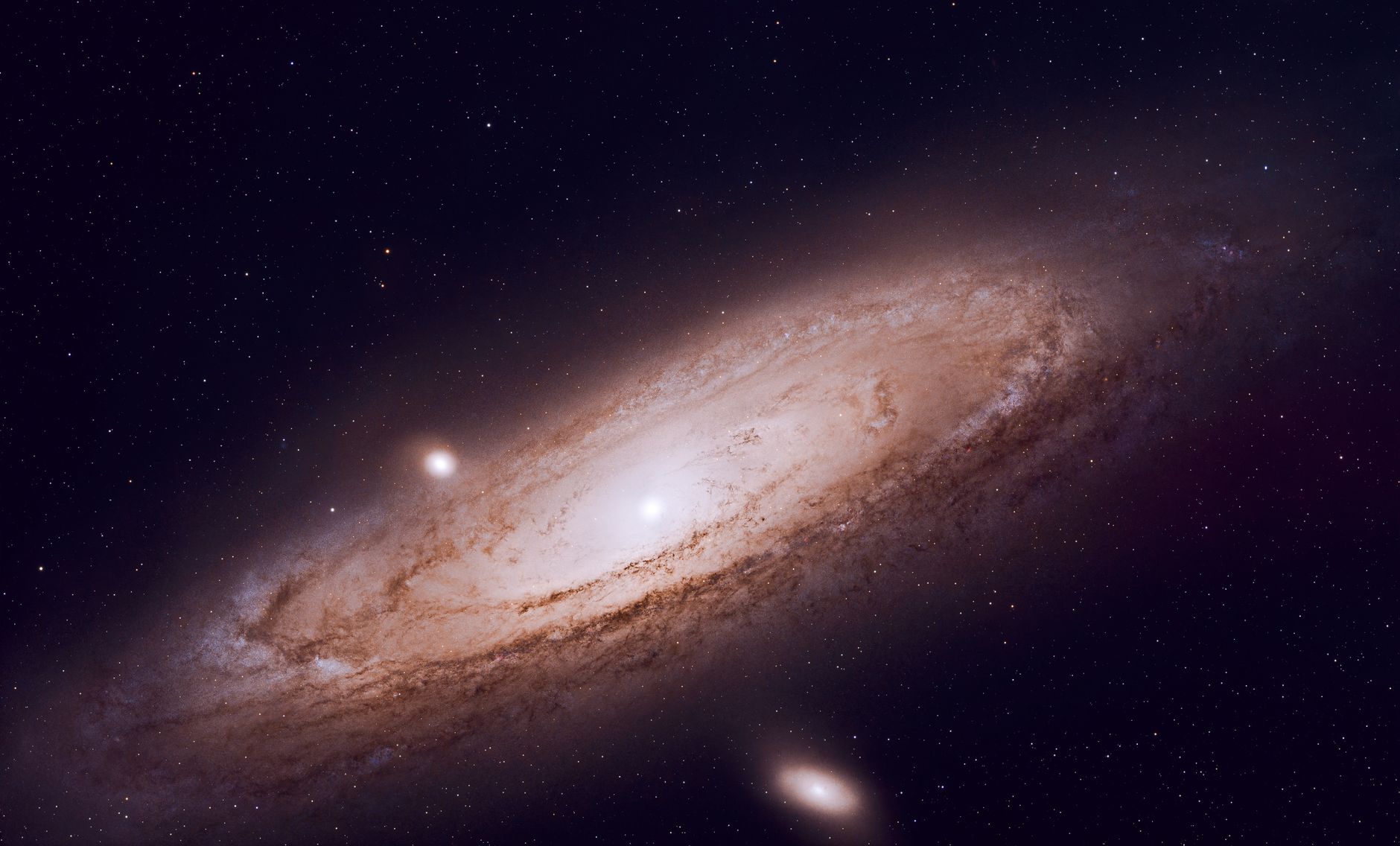
In the grand tapestry of the cosmos, the Andromeda Galaxy has long been a site of fascination for astronomers. Now, NASA's Hubble Space Telescope has provided a fresh perspective on this celestial neighbour, revealing a significant decline in its star-forming activities over the past 500 million years.
Once a bustling factory of star production, Andromeda's assembly line has slowed, with the rate of star formation dropping from approximately one solar mass per year to a mere 0.2 solar masses. This deceleration has been particularly precipitous over the last 40 million years, with most of the activity now concentrated in a ring about 32,000 light-years from the galactic centre.
Andromeda, often compared to our own Milky Way due to its size and structure, offers astronomers a nearby laboratory to study galactic evolution. The recent findings suggest that Andromeda could be transitioning into a more quiescent phase of its life cycle, raising questions about the fate of its remaining interstellar medium and the potential for future star formation.
While the universe is a place of constant change, the details of how galaxies evolve over billions of years remain a topic of intense study. Andromeda's decline in star formation is a reminder of the dynamic processes at play, even in our cosmic backyard.
These observations not only deepen our understanding of Andromeda but also provide a comparative framework to ponder the eventual fate of our Milky Way. As cosmic companions, the intertwined destinies of these two galaxies continue to inspire curiosity and awe.