Human Voices Scare Off Alaska's Apex Predators, Disrupting Ecosystems
In the remote wilds of Alaska, where nature often holds the upper hand, a curious experiment has revealed an unexpected vulnerability. Researchers, armed not with nets or traps, but with mere recordings of human voices, have sent the region's apex predators into retreat. The result: an ecological disruption that echoes far beyond the immediate vicinity of the streams.
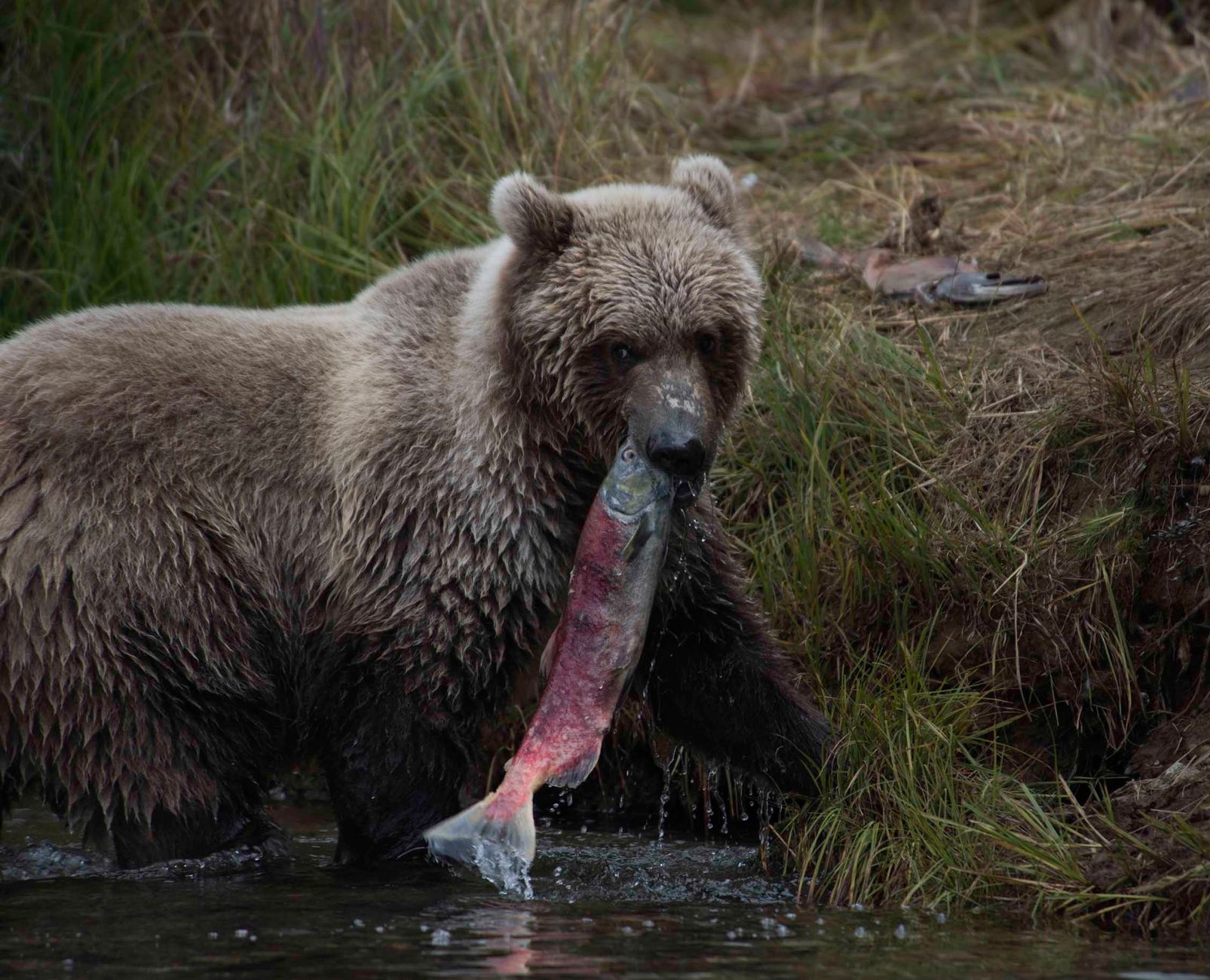
Known for their vital role in the ecosystem, black bears, brown bears, and eagles are no ordinary spectators at the rippling salmon streams. As these fish make their arduous journey back to freshwater spawning grounds, the predators act as both consumers and distributors of the marine nutrients these fish carry. However, the introduction of recorded human chatter has unsettled this natural process.
The presence of human sounds, played through hidden speakers, prompted a surprising exodus. Bears and eagles, creatures that usually stand unflinching against nature’s fiercest elements, fled the scene. This flight disrupts the nutrient cycle, as these predators typically contribute to the forest's health by spreading salmon remains far from the water's edge.
The Ripple Effect
Beyond the immediate disruption in predator behaviour, the experiment highlights the broader implications of human intrusion, intentional or otherwise, into pristine habitats. Bears, in their search for food, drag carcasses into the woods, enriching the soil and supporting plant growth. Eagles, perched above, drop leftover scraps that nourish the underbrush. Without them, the forest's nutrient web hangs in delicate imbalance.
This unexpected finding raises questions about the invisible lines humans cross. Are we, inadvertently, reshaping the wilderness with the mere sound of our presence? As conservationists ponder these impacts, this experiment serves as a stark reminder of our influence on nature.
Looking Ahead
While the study was designed to understand predator responses to human activity, it inadvertently underscores the need for mindful conservation strategies. If a simple voice can prompt such a reaction, what does that say about more substantial human encroachments? As scientists continue to analyse these effects, the interplay between human presence and ecological balance remains a critical area for future research.