Humanoid Robot Surpasses Usain Bolt's Sprint Record
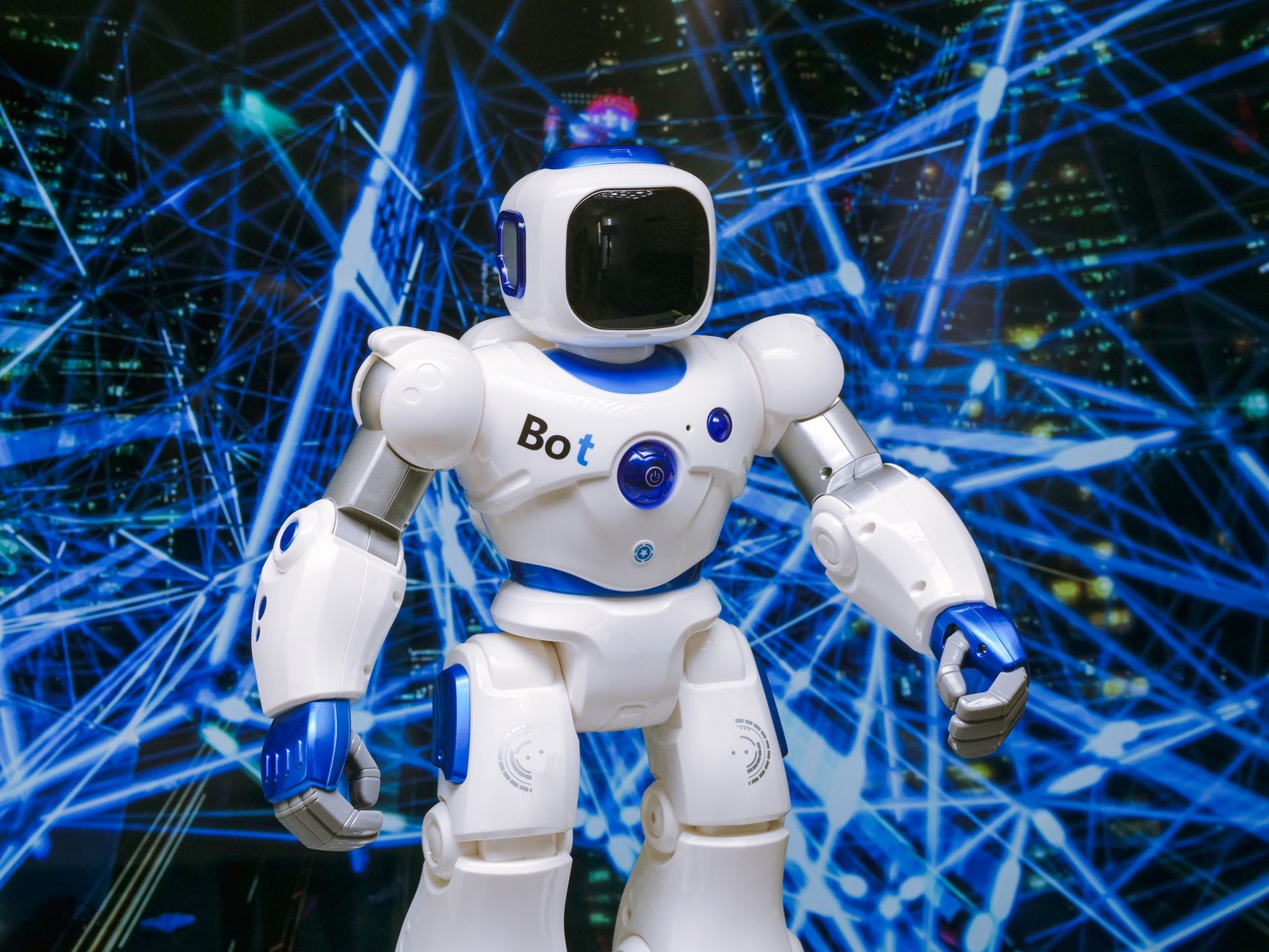
In a spectacle that has left both technologists and sports enthusiasts in awe, a humanoid robot has dashed past Usain Bolt's iconic 100-metre sprint record. The robot, engineered by a team of Chinese scientists, clocked a jaw-dropping 9.39 seconds at the World Humanoid Robot Games in Beijing.
This achievement not only marks a milestone in robotics but also raises intriguing questions about the intersection of technology and athletics. The event, akin to an Olympics for robots, is a platform showcasing the rapid advancements in humanoid capabilities.
Usain Bolt, the Jamaican sprinter who set the human world record in 2009 with a time of 9.58 seconds, has been an unmatched icon in the realm of speed. Yet, the feats of this Chinese robot indicate that the boundaries of speed are being redefined, albeit by machines rather than humans.
Technological Triumph
The robot's performance was not just a triumph of speed but a testament to the intricate engineering and programming behind its creation. These robots are equipped with sophisticated algorithms that mimic human motion with astonishing precision. This development is part of a broader trend where artificial intelligence is increasingly influencing sports, from analytics to performance enhancement.
While some may argue that comparing a robot's achievement to human records is akin to comparing apples and oranges, the implications are nonetheless profound. The potential for robots to outperform humans in physical tasks could redefine competitive sports in the future.
Future of Competitive Sports
The question that looms large is how such technological advancements will impact the future of sports. Will we see a new category of competitions exclusively for machines? Or will humans and robots compete side by side? As technology continues to evolve, these questions will become increasingly pertinent.
For now, the spotlight remains on the astonishing capabilities of these humanoid robots. They have not only demonstrated their prowess in speed but have also opened a dialogue on the future of athletics in a world where machines and humans coexist.