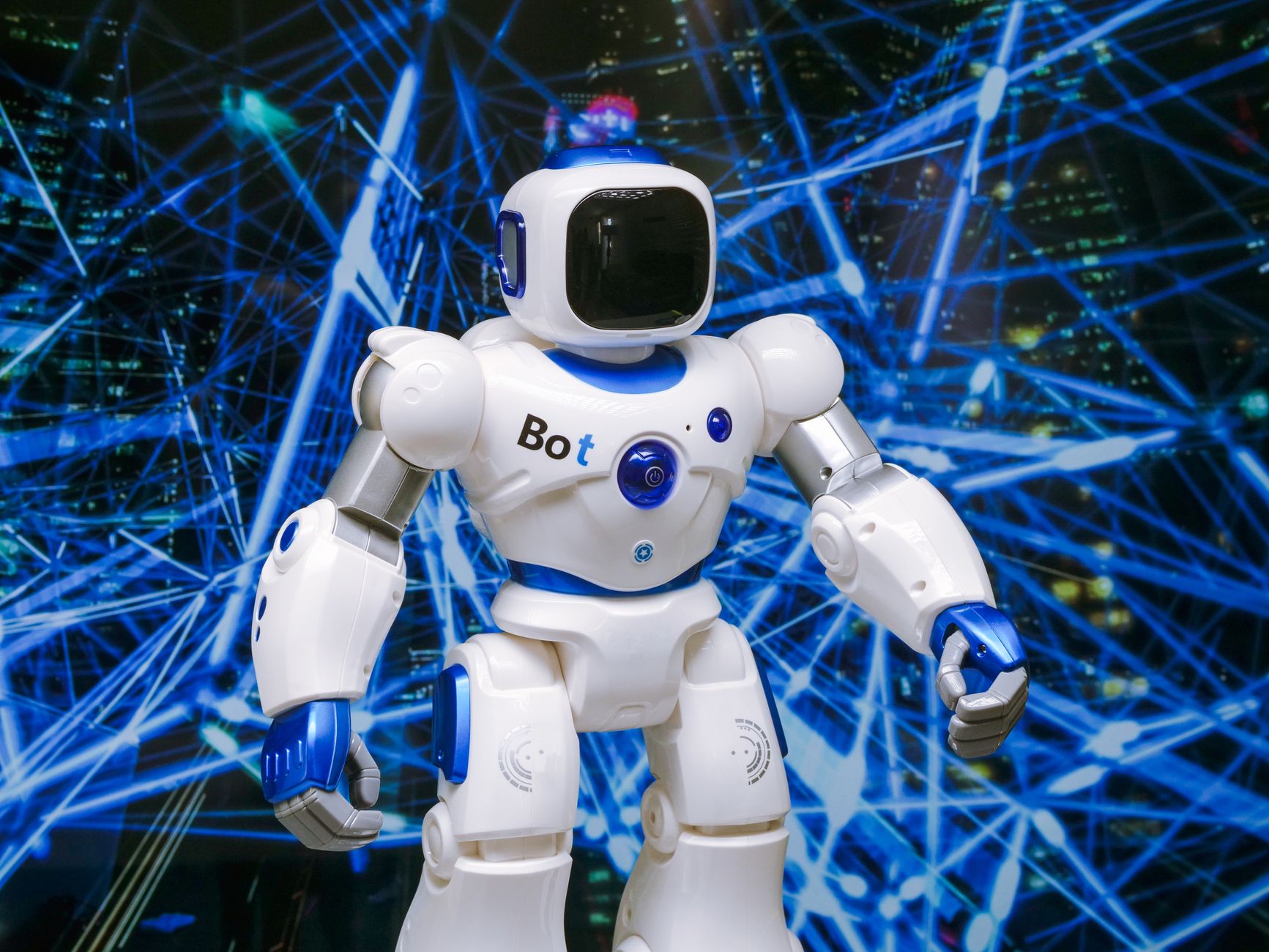
Humanoid Robots in India: Pioneering a New Technological Frontier
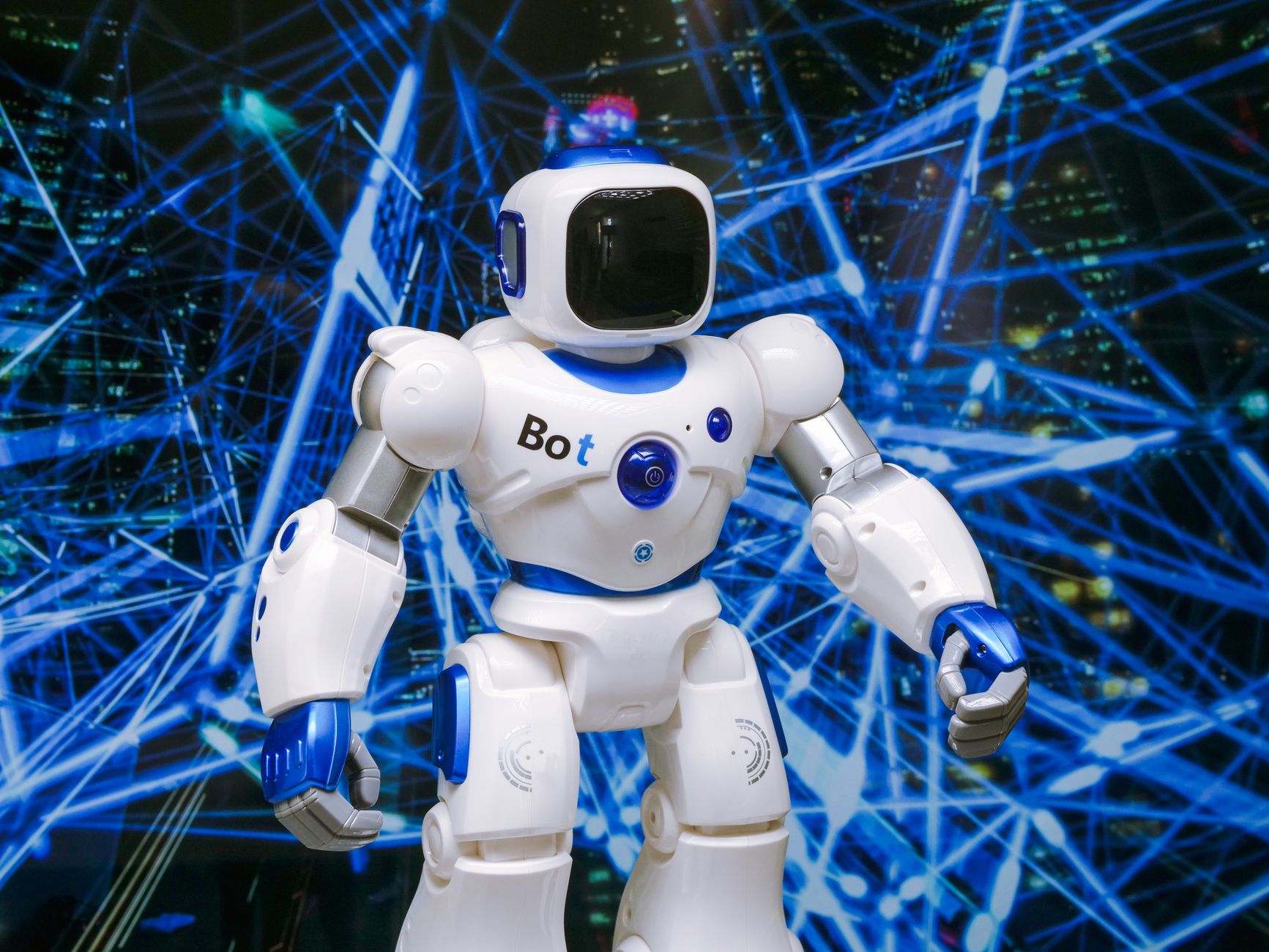
In an age where science fiction increasingly collides with reality, India finds itself at the forefront of humanoid robotic innovation. While these mechanical marvels have yet to become household staples, their presence in sectors such as healthcare, hospitality, and manufacturing is growing steadily.
At the heart of these robots' capabilities lie vision sensors, akin to human eyes, utilising CCD cameras to interpret their surroundings. Yet, technology alone is not the panacea for widespread adoption. Cultural acceptance, regulatory frameworks, and cost considerations play pivotal roles.
Innovation-Driven Aspirations
India's burgeoning tech scene is teeming with ventures eager to redefine automation. Start-ups are designing robots that not only mimic human actions but also enhance efficiency and precision. The healthcare sector, for instance, stands to benefit immensely from robots capable of performing tasks with unerring accuracy.
In hospitality, humanoid robots offer an intriguing blend of novelty and utility, greeting guests and answering their queries. However, the journey from novelty to necessity requires overcoming significant hurdles, not least of which are technological refinement and cost reduction.
The Path Forward
As we stand on the cusp of what many believe to be a tipping point in robotics, one cannot help but wonder what lies ahead. The speed at which new models are being released speaks volumes about the sector’s dynamism.
Indian companies participating in initiatives like the Infineon Startup Challenge are not just dreaming but actively shaping the future. By leveraging cutting-edge hardware and software, they aim to transform visionary concepts into scalable realities.
The question, then, is not whether humanoid robots will become integral to our lives, but when. As these technologies evolve, so too will their applications, potentially revolutionising industries and reshaping society in ways we are only beginning to imagine.