Humanoid Robots Race Past Usain Bolt's Record in Beijing
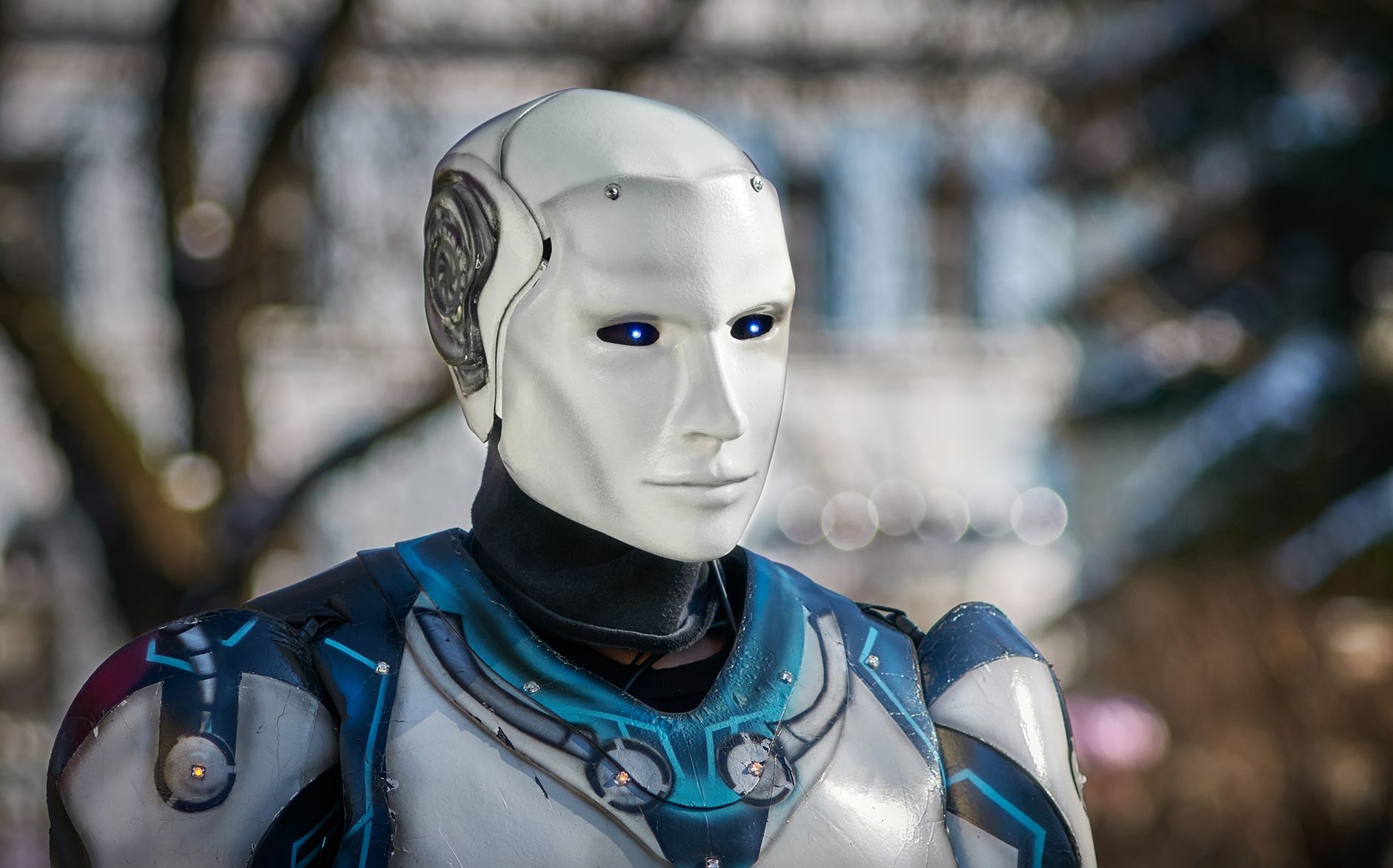
The air crackled with anticipation at the National Speed Skating Oval in Beijing as the second edition of the World Humanoid Games unfolded. Yet, it wasn't the thud of fists from the robot boxing ring or the strategic manoeuvres on the football pitch that captured global attention. It was a 100-metre sprint that stole the show, where a humanoid robot blitzed past the finish line in a staggering 9.39 seconds.
This remarkable achievement, surpassing Usain Bolt's human world record of 9.58 seconds, has set the stage for a new frontier in robotics. The Games, running for five days, have become a testament to human ingenuity and technological advancement.
A New Era of Robotics
The spectacle of humanoid robots engaging in sports traditionally dominated by humans highlights the rapid evolution in artificial intelligence and mechanical engineering. These robots, designed with precision by companies like Unitree Robotics, are not merely science projects but heralds of a future where human and machine collaborations redefine possibilities.
Some sceptics argue that comparing robotic achievements to human records is like comparing apples to oranges. However, the feats at the World Humanoid Games are less about competition and more about inspiration. They push the boundaries of what machines can achieve, encouraging innovation and expanding the realms of possibility.
Sporting Spirit and Technological Triumph
Beyond the 100-metre dash, the Games include football matches where robots exhibit teamwork and strategy, and kickboxing bouts showcasing agility and strength. These events are not just for show; they serve as platforms for testing and refining robotic technologies that could have broader applications in daily life.
As the Games continue, they invite us to question and ponder the implications of such advancements. Will robots one day compete alongside humans, or even surpass them in arenas beyond sports? For now, the World Humanoid Games remain a fascinating intersection of technology and tradition, offering a glimpse into a future that blurs the lines between man and machine.