Hunger-Strike Engineer Sparks Call for Education Reform in India
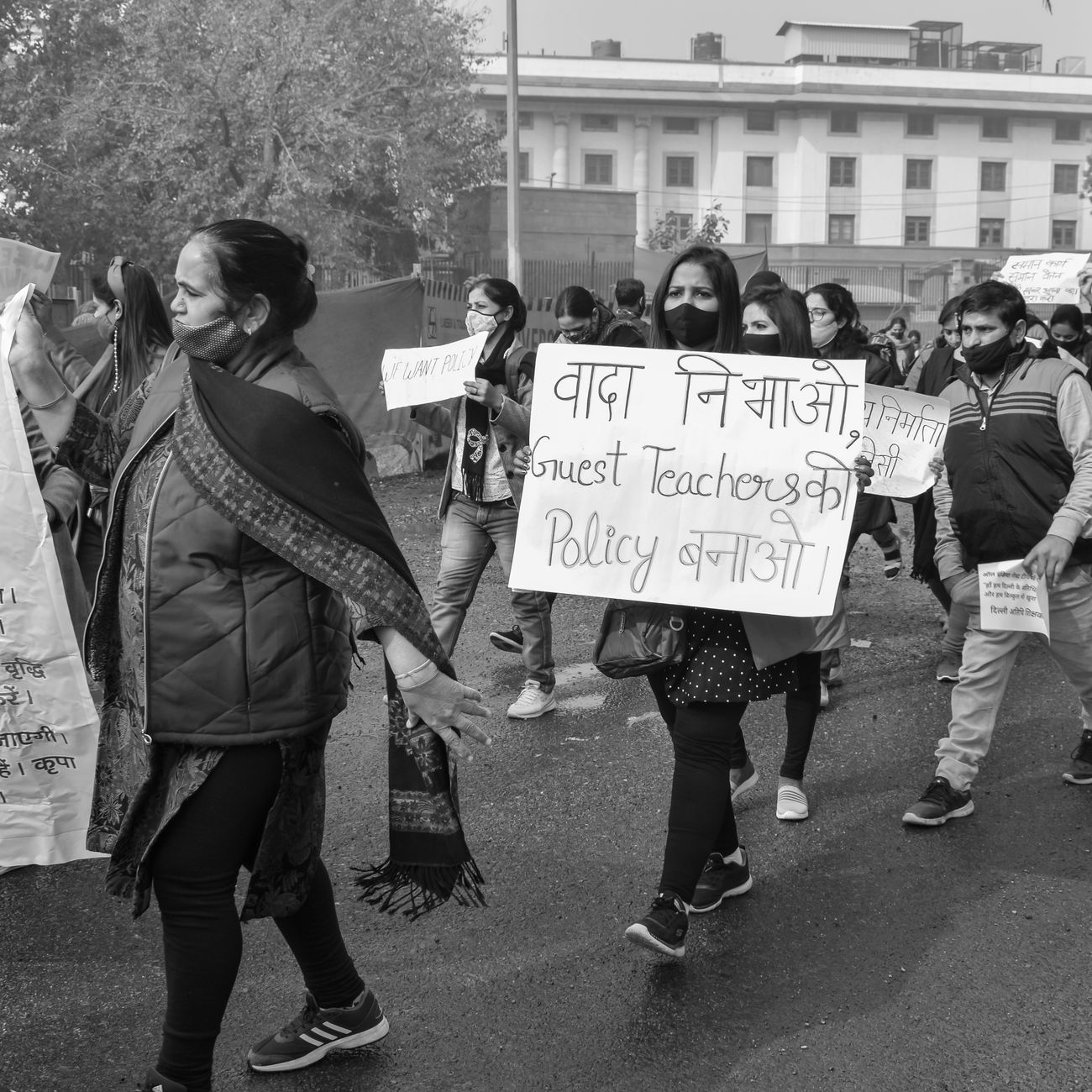
In a scene reminiscent of the most fervent acts of civil disobedience, Sonam Wangchuk, a revered figure from Ladakh, sits resolute amid the chaos of New Delhi's Jantar Mantar, his body frail yet his spirit unyielding. For three weeks, Wangchuk has abstained from food, a stark protest against what he describes as the 'soul-destroying' state of India’s education system.
Wangchuk's demands are clear: the resignation of Education Minister Dharmendra Pradhan, an overhaul of the examination process, and financial compensation for families of students who have tragically taken their own lives due to exam-induced stress. His protest has become a lightning rod for broader frustrations with an education system many see as archaic and unforgiving.
The Catalyst for Change
The immediate cause of Wangchuk's hunger strike was a series of botched entrance exams affecting millions. These exams, riddled with errors and technical failures, have sparked outrage across the nation. But for Wangchuk, the issue runs deeper, tapping into longstanding grievances about an education system that prioritises rote memorisation over critical thinking.
Despite the health risks, Wangchuk's protest has galvanised students and activists alike. His message, amplified by his deteriorating health, has drawn significant attention, both domestically and internationally. Supporters argue that the current system not only fails to nurture genuine talent but also contributes to a culture of extreme pressure, leading to alarming rates of student suicides.
A System Under Scrutiny
Wangchuk's hunger strike symbolises a broader call for reform in India’s education sector, which has long been criticised for its rigidity and lack of innovation. Critics argue that the focus on high-stakes testing creates an environment of fear rather than learning. The CJP, a prominent advocacy group supporting Wangchuk, claims that the system’s failures have dire consequences, evidenced by the tragic loss of young lives.
As Wangchuk lies in a hospital bed, forcibly removed by police due to concerns over his health, the urgency for reform has never been clearer. His protest may have begun as a solitary battle, but it has ignited a nationwide discourse on the future of education in India. Whether the government will heed this call remains uncertain, but one thing is clear: the hunger for change has been awakened.