Hybrid Bonding: The Bedrock of Next-Gen Semiconductor Efficiency
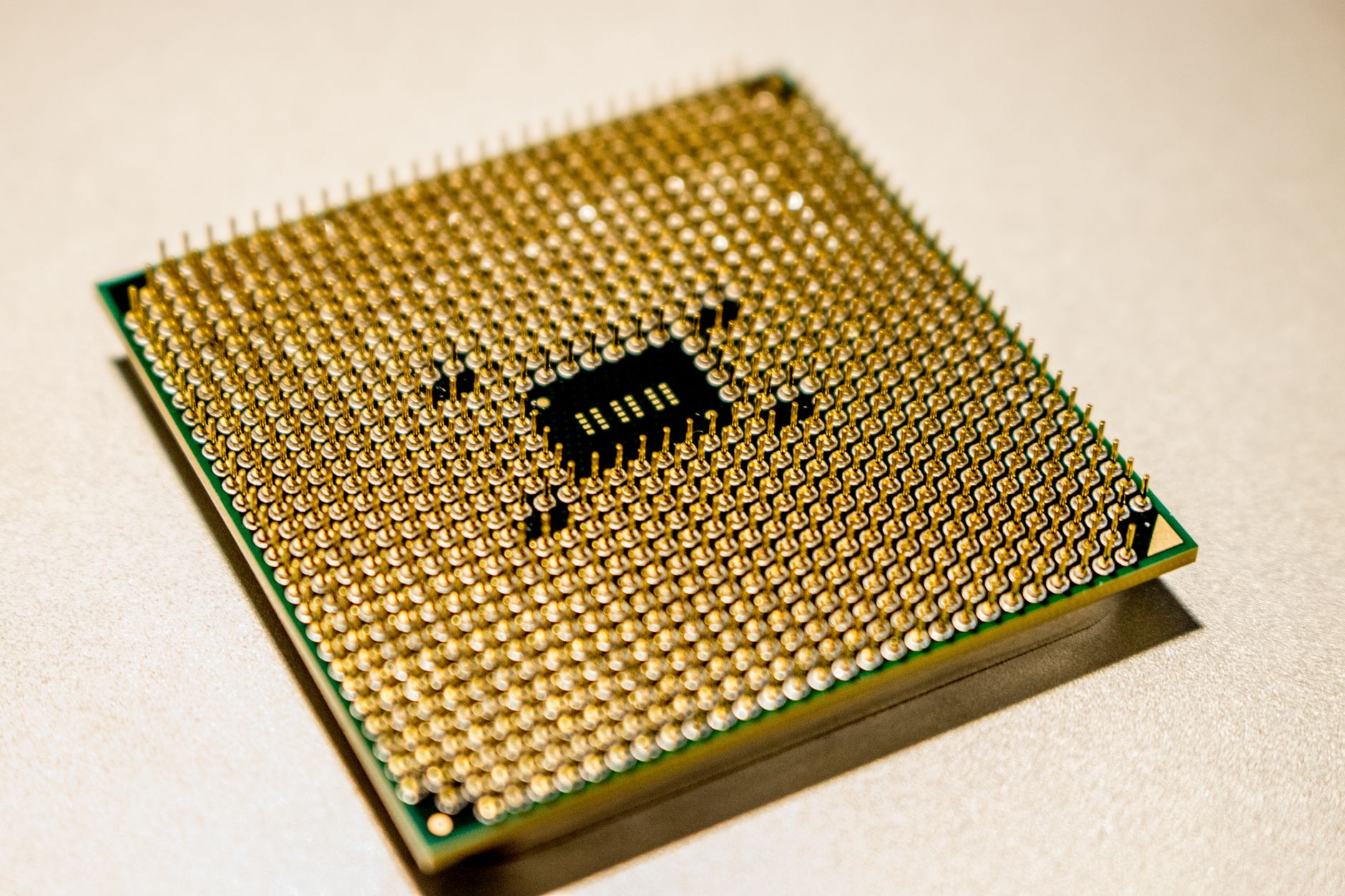
In the relentless pursuit of smaller, faster, and more efficient technology, hybrid bonding has emerged as a pivotal player in the semiconductor arena. This cutting-edge technique, which forgoes the traditional microbump method, enables direct dielectric-to-dielectric and copper-to-copper connections between chips. The implications are profound, particularly as the industry races towards higher-layer High Bandwidth Memory (HBM) products.
Redefining Semiconductor Architecture
Hybrid bonding's ability to reduce chip thickness while enhancing performance is redefining semiconductor architecture. By eliminating the need for interconnect overhead, it reduces the thermal and performance limitations that have long plagued conventional methods. This is especially significant in an era where high-performance computing and artificial intelligence demand ever greater capabilities from our processors.
Historically, wire bonding and microbump techniques have sufficed, but they are increasingly viewed as inadequate for the demands of modern technology. Hybrid bonding, with its inherent efficiency, is rapidly becoming indispensable, particularly for manufacturers aiming to scale up their HBM products.
The Future of Semiconductor Manufacturing
As we delve into the future, the importance of hybrid bonding cannot be overstated. The technology promises not only enhanced performance but also greater energy efficiency, a crucial consideration as the world turns its attention to sustainability. With companies investing heavily in semiconductor packaging technology, hybrid bonding is set to become a cornerstone of the industry.
Indeed, the shift towards hybrid bonding reflects a broader trend in the industry: the move towards heterogeneous integration. By combining different functionalities onto a single chip, manufacturers can produce more capable and adaptable devices, a necessity in today's fast-paced technological landscape.
In summary, hybrid bonding represents more than just an incremental improvement; it is a transformative advancement that could redefine what we expect from semiconductor technology. As the demand for more robust and versatile computing solutions continues to grow, hybrid bonding will undoubtedly play a key role in shaping the future of electronics.