ICC Unveils Ambitious Gender Equality Strategy
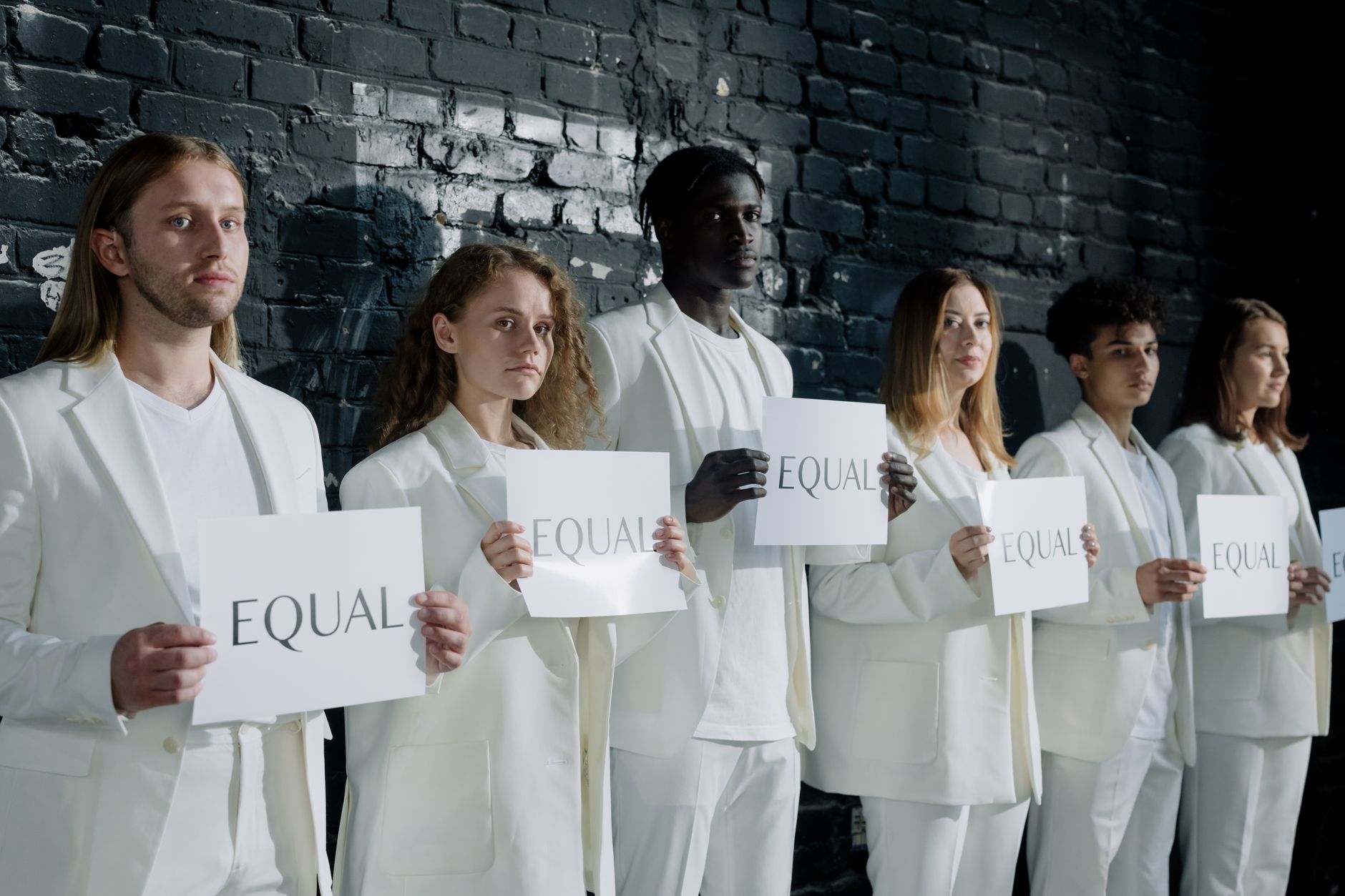
In a bold move to advance gender equality within its ranks, the International Criminal Court (ICC) has unveiled its new Gender Equality and Enabling Environment Strategy for 2026–2029. This strategic plan is not merely a nod to modern sensibilities but a concerted effort to rectify gender imbalances that have historically plagued international institutions.
The ICC, known for its role in prosecuting crimes against humanity, war crimes, and genocide, is now turning an introspective lens on its internal culture. The strategy aims to foster an environment where every individual, irrespective of gender, can thrive and contribute to the court's mission of delivering justice.
Addressing Persistent Inequality
Despite progress over the years, gender inequality remains a stubborn issue within many global institutions. The ICC's new strategy marks a significant step towards addressing these imbalances. It focuses on creating a workplace atmosphere that supports diversity, inclusivity, and equality, thereby enhancing the court's overall effectiveness.
According to insiders, the strategy will involve comprehensive training programmes, policy reforms, and initiatives aimed at promoting female leadership within the court. By doing so, the ICC hopes to lead by example, encouraging other international bodies to follow suit.
A Broader Vision for Justice
Japan's steadfast support of the ICC, amidst criticism and calls for its abandonment by figures like former US President Donald Trump, underscores the court's significance on the world stage. This new strategy is part of the ICC's broader vision to remain a bastion of justice, not only in its legal mandates but also in its organisational ethos.
As the Assembly of States Parties continues to oversee the court's operations, this gender equality initiative reflects a commitment to modernising the court's internal dynamics. By striving for a more balanced and inclusive environment, the ICC aims to bolster its capacity to uphold international justice effectively.
With this new strategy, the ICC is poised to set a precedent for other international organisations, demonstrating that justice and equality can—and should—go hand in hand.