IITs Expand Their Horizons: Teaching Working Professionals
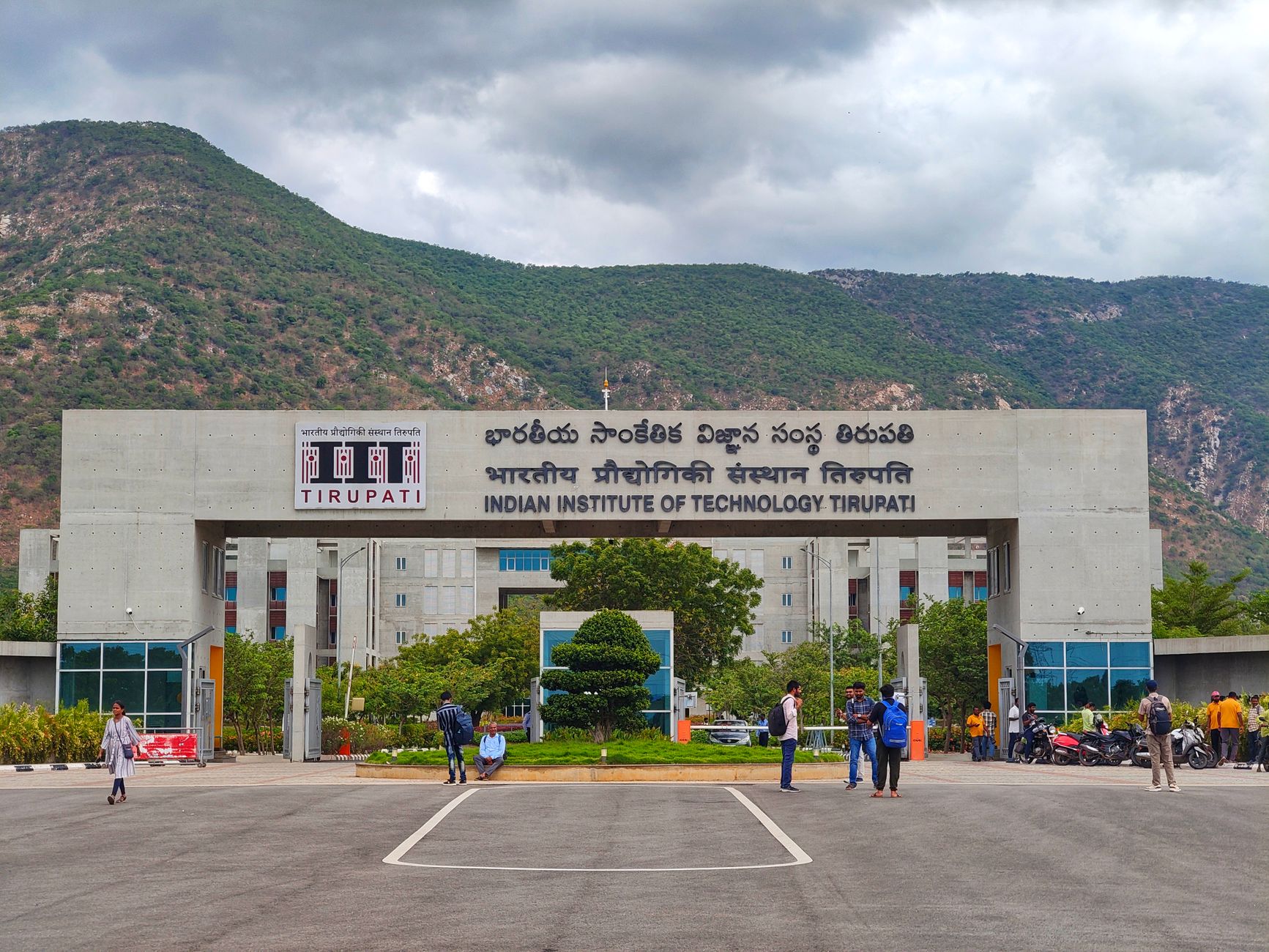
Picture a bustling Sunday where professionals, who might otherwise spend the day unwinding, are instead engrossed in lectures delivered by some of India's finest minds. Welcome to the latest chapter in the evolution of the Indian Institutes of Technology (IITs) — a bold leap into the realm of online education for working professionals.
Historically, this arena has been the domain of the Indian Institutes of Management (IIMs), which have long catered to the educational appetites of mid-career professionals seeking to enhance their managerial acumen. But now, the IITs are stepping in, offering online and hybrid programmes that allow individuals to pursue advanced degrees without the need to leave their jobs.
The allure of an IIT qualification is undeniable, often seen as a passport to both professional prestige and higher earnings. By extending their offerings beyond traditional engineering disciplines to include a variety of subjects, IITs are broadening their appeal and, in turn, their impact on the workforce.
Many of these programmes, such as those from IIT Delhi, are meticulously designed to fit into the lives of busy professionals. With classes scheduled on weekends and delivered online, the structure is deliberately flexible. This approach mirrors a global trend, where institutions increasingly cater to the needs of lifelong learners, recognising that education need not be bound by the conventional classroom.
The Changing Dynamics of Higher Education
The entry of IITs into this space is not merely a matter of expanding their educational repertoire. It signifies a profound shift in the higher education landscape in India, challenging the traditional stronghold of the IIMs. The competition is likely to spur innovation in curriculum design and delivery, benefiting students and professionals alike.
This development also raises questions about the future of faculty roles within these prestigious institutions. As demand for online education grows, there may be a shift in how faculty members balance teaching, research, and consultancy work. Already, some IIT professors supplement their income through consultancy, which is often more lucrative than teaching alone.
As IITs continue to expand into this territory, they face challenges, notably the shortage of qualified PhD candidates to fill faculty positions. Nevertheless, by engaging faculty on a contract basis, they have found a temporary solution to this issue, ensuring that programme quality remains uncompromised.
In essence, the IITs' foray into online education for professionals is a testament to their adaptive strategies in an ever-evolving educational sector. As they continue to redefine their roles, this could well represent a new era of accessible, flexible, and high-quality education for India's workforce.