Imran Khan's Health Crisis: Stress, Blood Pressure and Political Ramifications
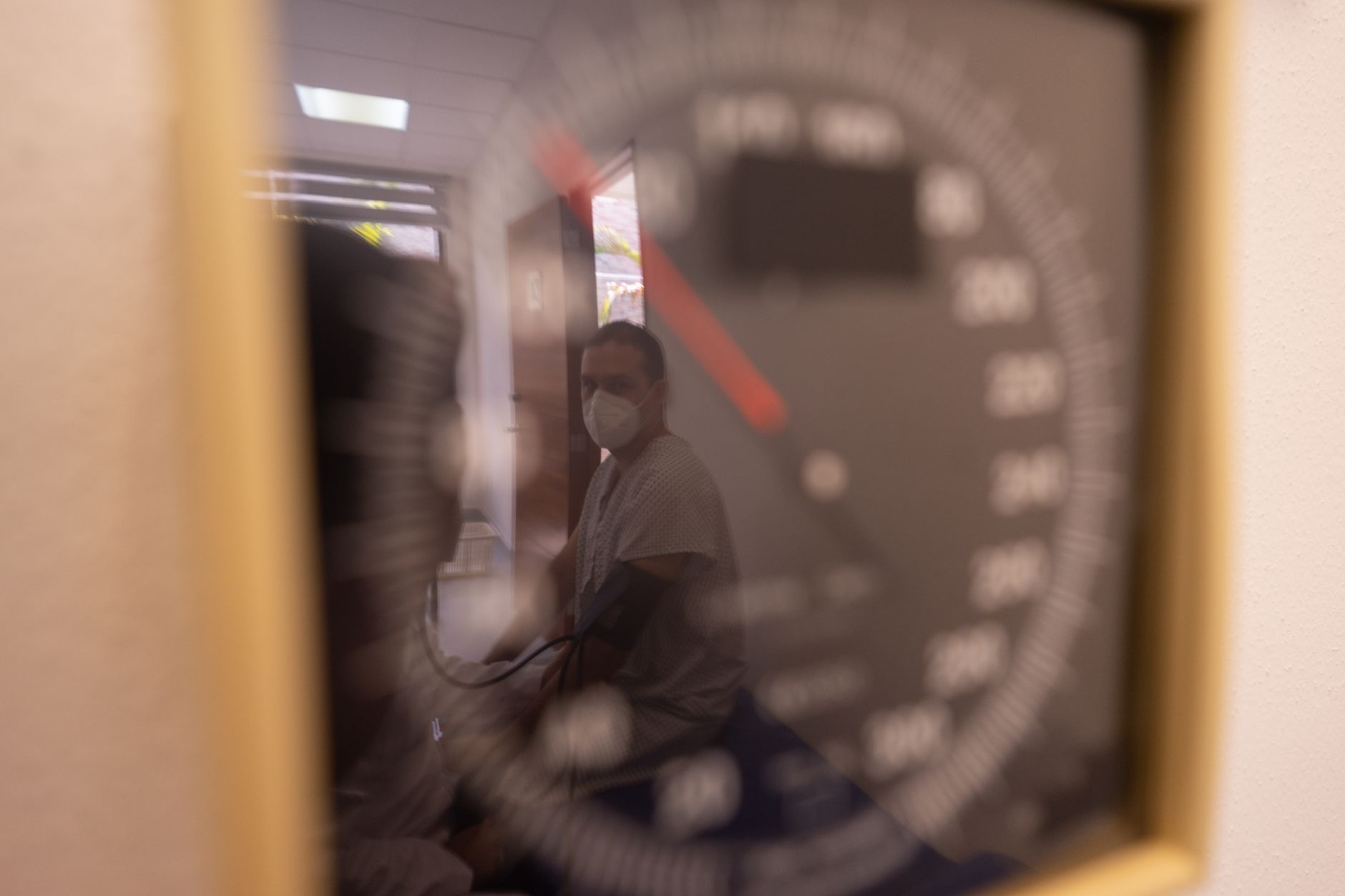
In the hushed corridors of Pakistan's political sphere, whispers of Imran Khan's deteriorating health have grown louder. The former Prime Minister, now confined within the austere walls of Adiala Jail, reportedly grapples with severe anxiety and soaring blood pressure levels—a situation that has sparked both medical and political concerns.
Recent medical evaluations revealed Khan's blood pressure at an alarming 140/100 mmHg, alongside palpitations and headaches. These findings, while concerning, are not entirely unforeseen given the psychological strain associated with prolonged imprisonment and isolation. Former President Arif Alvi has publicly voiced his apprehensions, urging for Khan's transfer to a medical facility, emphasising that his presence is vital for the nation.
Stress, a silent yet potent adversary, has long been recognised as a significant contributor to cardiovascular ailments. The link between mental stress and heart health has been extensively documented, with chronic stress often leading to conditions such as hypertension, heart disease, and even stroke. In Khan's case, the relentless pressure of his political battles and the solitude of imprisonment appear to have taken a toll on his physical well-being.
As rumours about Khan's health continue to circulate, they have ignited a fierce debate both within Pakistan and beyond its borders. Calls for an independent medical panel to assess his condition have become increasingly vocal, reflecting a broader concern over the impartiality of evaluations conducted under current circumstances.
The situation highlights a critical issue: the intersection of politics and health. Khan's plight serves as a reminder of the profound impact that psychological stress can have on physical health, particularly for those in positions of power. As the world watches, Khan's health saga unfolds as a poignant testament to the human cost of political turmoil.