India and Japan Forge Naval Alliance with Joint Shipbuilding Pact
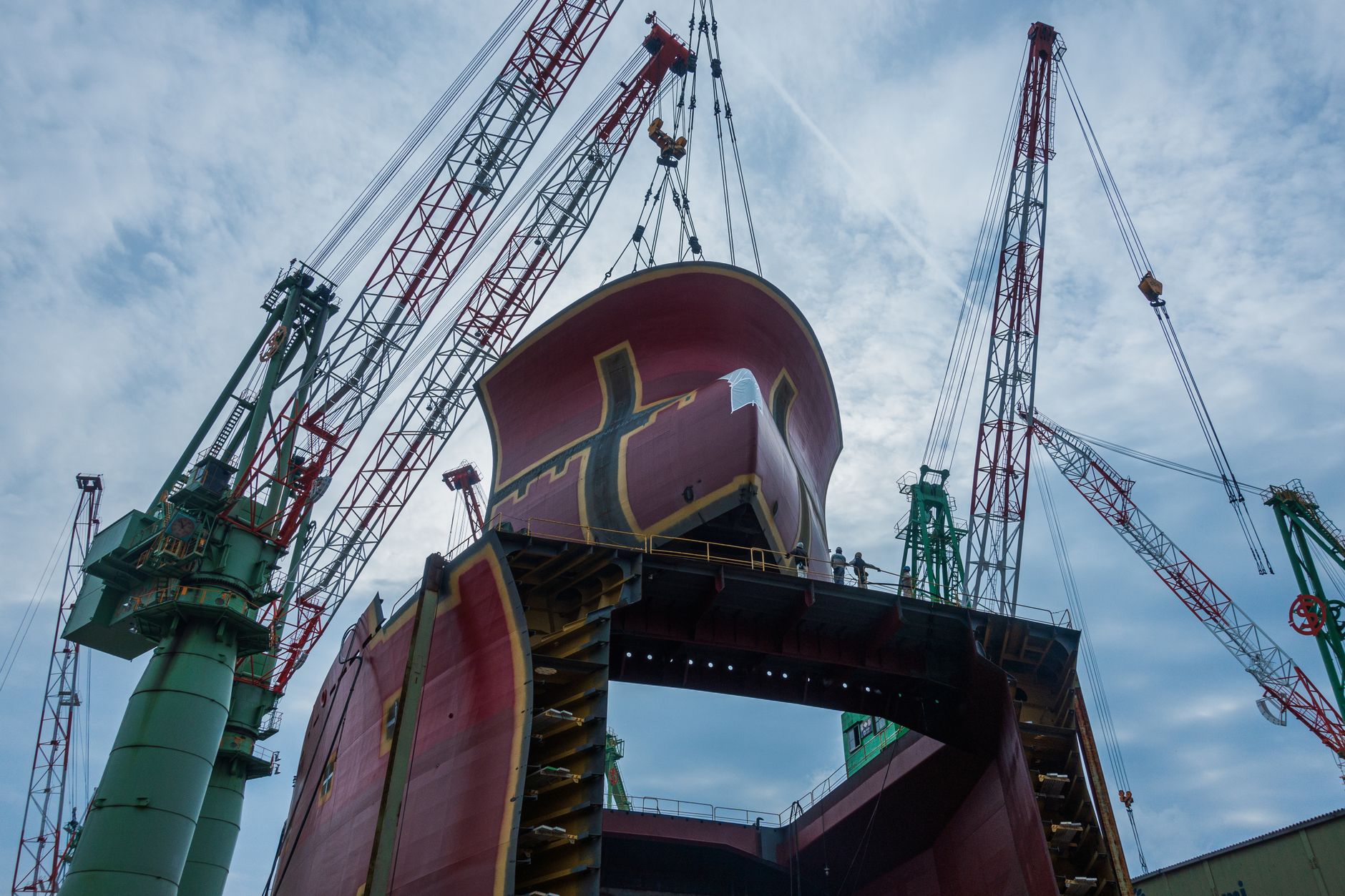
In a significant step towards strengthening defence ties, India and Japan have signed a memorandum of arrangement to explore joint naval shipbuilding and technology transfer. The agreement, announced during a meeting between Indian Defence Minister Rajnath Singh and his Japanese counterpart, is seen as a strategic effort to enhance maritime security in the Indo-Pacific region.
The pact is not merely a symbolic gesture; it represents a concerted effort to combine Japan's sophisticated shipbuilding technology with India's expansive production capabilities. Such collaboration is expected to result in advanced naval vessels that could serve both nations' military needs and potentially cater to export markets.
Beyond shipbuilding, the agreement encompasses a broader spectrum of cooperation, including enhancing mine countermeasures capabilities and expanding military exercises. The two countries aim to maximise synergies in these areas, thereby boosting their operational readiness and effectiveness.
Analysts suggest that this partnership reflects a shared vision for a free and open Indo-Pacific, a region increasingly seen as a focal point for geopolitical tensions. The collaboration underscores the importance both nations place on maintaining stability and security in these waters, crucial for global trade and regional peace.
Implications for Regional Security
This development comes at a time when both countries are seeking to counterbalance the growing influence of China in the region. By deepening their defence ties, India and Japan are not only enhancing their own capabilities but also sending a clear message of their commitment to regional security.
The pact could also pave the way for further technological exchanges and joint research initiatives, potentially leading to innovations in naval warfare and defence technology. As the Indo-Pacific continues to be a theatre of strategic importance, such collaborations are likely to play a pivotal role in shaping the future security architecture of the region.