India and Nepal Forge New Ties in Education and Agriculture
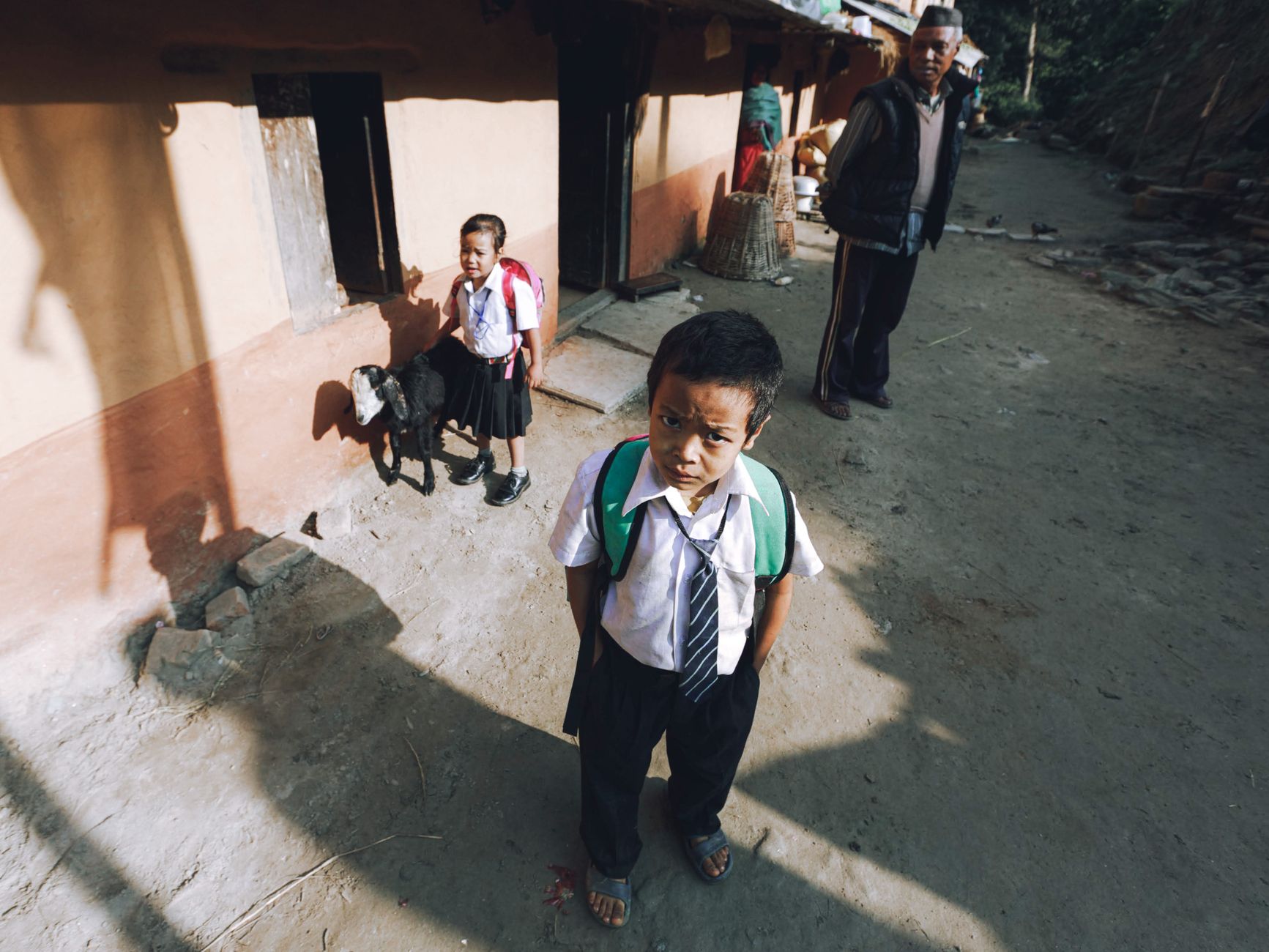
In a move that could significantly alter the developmental landscape of the region, India and Nepal have formalised eight memorandums of understanding (MoUs) focusing on pivotal sectors such as education, health, and agriculture. This strategic collaboration is poised to enhance bilateral relations and foster regional progress.
The agreements, signed amidst much anticipation, aim to bolster infrastructural facilities in Nepal, providing a much-needed boost to its educational and healthcare systems. The projects are expected to bridge gaps in quality education and healthcare access, particularly in rural areas where such services are often scarce.
Strengthening Education and Health
One of the primary objectives of these MoUs is to improve educational infrastructure. This includes the construction of new schools and the renovation of existing ones, thereby ensuring a conducive learning environment for students. In the realm of health, the focus is on enhancing healthcare facilities and ensuring that basic health services are accessible to all.
For Nepal, a nation with a burgeoning youth population, these developments are particularly crucial. The emphasis on education is expected to equip the younger generation with better skills and knowledge, ultimately contributing to the nation's economic advancement.
Agricultural Advancements
Agriculture, a cornerstone of Nepal's economy, stands to gain substantially from these agreements. The projects aim to introduce modern farming techniques and improve irrigation facilities, thus boosting productivity and ensuring food security. This, in turn, would help stabilise the rural economy and uplift thousands of farming families.
These collaborations reflect a broader strategic vision shared by India and Nepal. By investing in human capital and sustainable agricultural practices, the two nations are not only fostering mutual growth but also reinforcing their longstanding ties.
As the world watches, these developments may well set a precedent for regional cooperation, illustrating how shared resources and expertise can drive meaningful change. While the immediate impact of these projects will be felt within Nepal, the ripple effects could influence development strategies across South Asia.