India and Nepal Forge New Ties with Development Projects
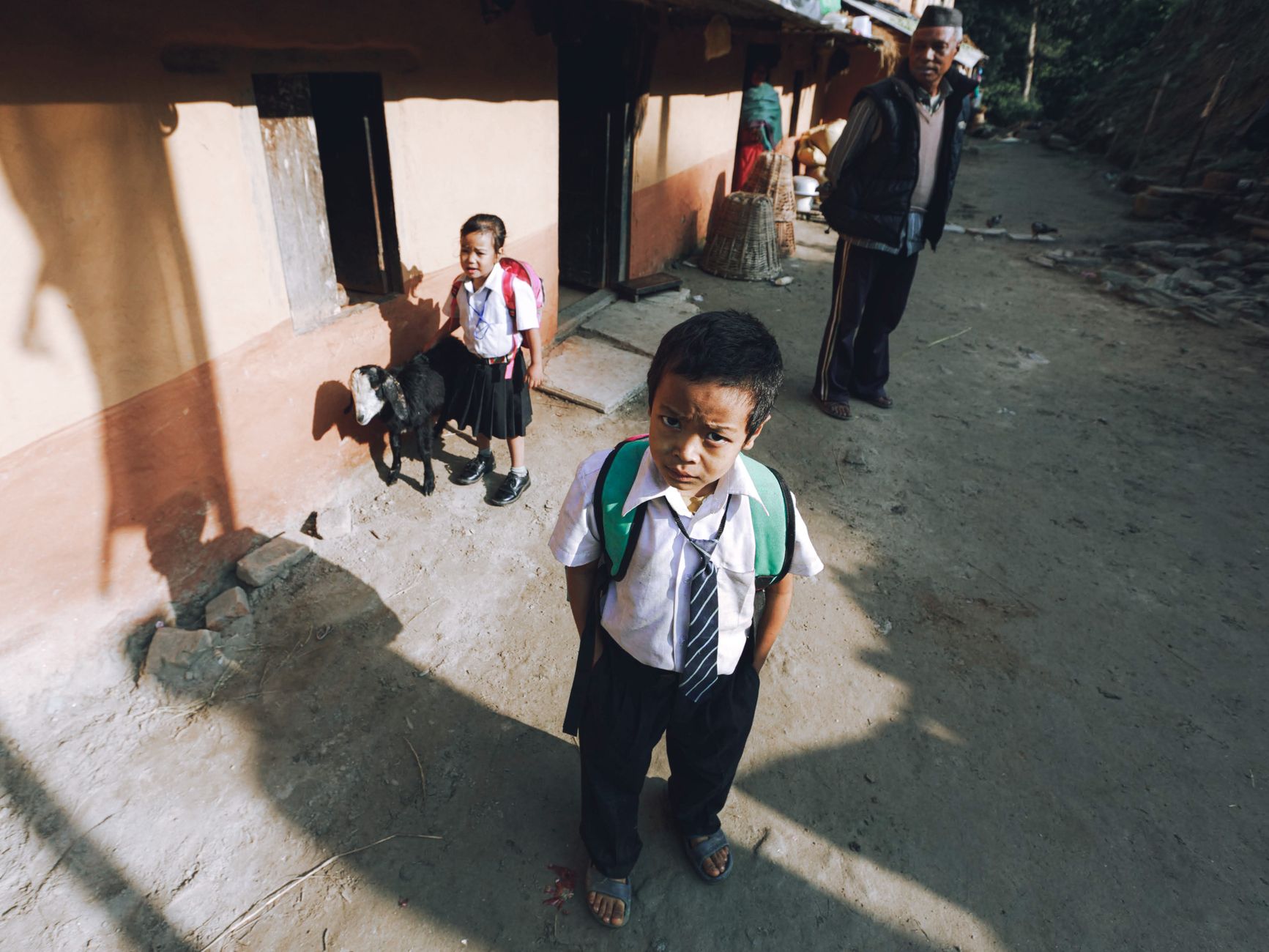
In the shadow of the Himalayas, a partnership is blooming with renewed vigour. On a rather routine Tuesday, the governments of India and Nepal inked a series of agreements that promise to reshape sectors pivotal to daily life: education, health, and agriculture. These Memoranda of Understanding (MoUs) are not just ink on paper; they are a testament to a deepening relationship that seeks to address grassroots challenges in Nepal.
The projects, valued at Rs 803 million, are set to be implemented under the High Impact Community Development Projects (HICDPs) programme. This initiative highlights India's strategic use of grant assistance to foster development in its neighbouring country. The agreements were signed in Kathmandu, bringing together officials from the Indian Embassy and various Nepali government agencies.
Fostering Education and Health
Education and health are the cornerstones of any thriving society, and these sectors are receiving a significant boost through the newly signed MoUs. The projects aim to enhance educational infrastructure and improve healthcare facilities across several Nepali districts. Such enhancements are crucial, particularly in rural areas where access to quality education and healthcare remains a challenge.
In a statement, the Indian Embassy in Nepal emphasised the importance of these projects in uplifting communities and empowering individuals. The focus on education and health underscores a broader strategy to enhance human capital, which in turn, can drive economic growth and stability.
Boosting Agricultural Development
Agriculture, the backbone of Nepal's economy, is also receiving attention. The MoUs include projects aimed at improving agricultural practices and productivity. By introducing modern techniques and providing necessary resources, these initiatives strive to increase yields and, consequently, the livelihoods of farmers.
Nepal, with its diverse topography, faces unique agricultural challenges. These projects, therefore, are tailored to address local needs while integrating sustainable practices. This collaborative effort not only holds potential for economic growth but also strengthens food security in the region.
As both countries look towards the future, these MoUs signify more than just development projects; they represent a shared commitment to progress and prosperity.