India and Romania Forge Academic and Technological Ties
In a significant stride towards strengthening bilateral relations, India and Romania have inked three crucial agreements aimed at fostering collaboration across science and technology, education, and sports. This diplomatic engagement unfolded in the scenic city of Bucharest, marking a historic visit by President Droupadi Murmu, the first Indian head of state to visit Romania in thirty years.
The agreements, concluded after comprehensive talks between President Murmu and her Romanian counterpart, President Nicușor Dan, signify a mutual commitment to deepen ties in areas critical to national development and global competitiveness.
Science and Technology Collaboration
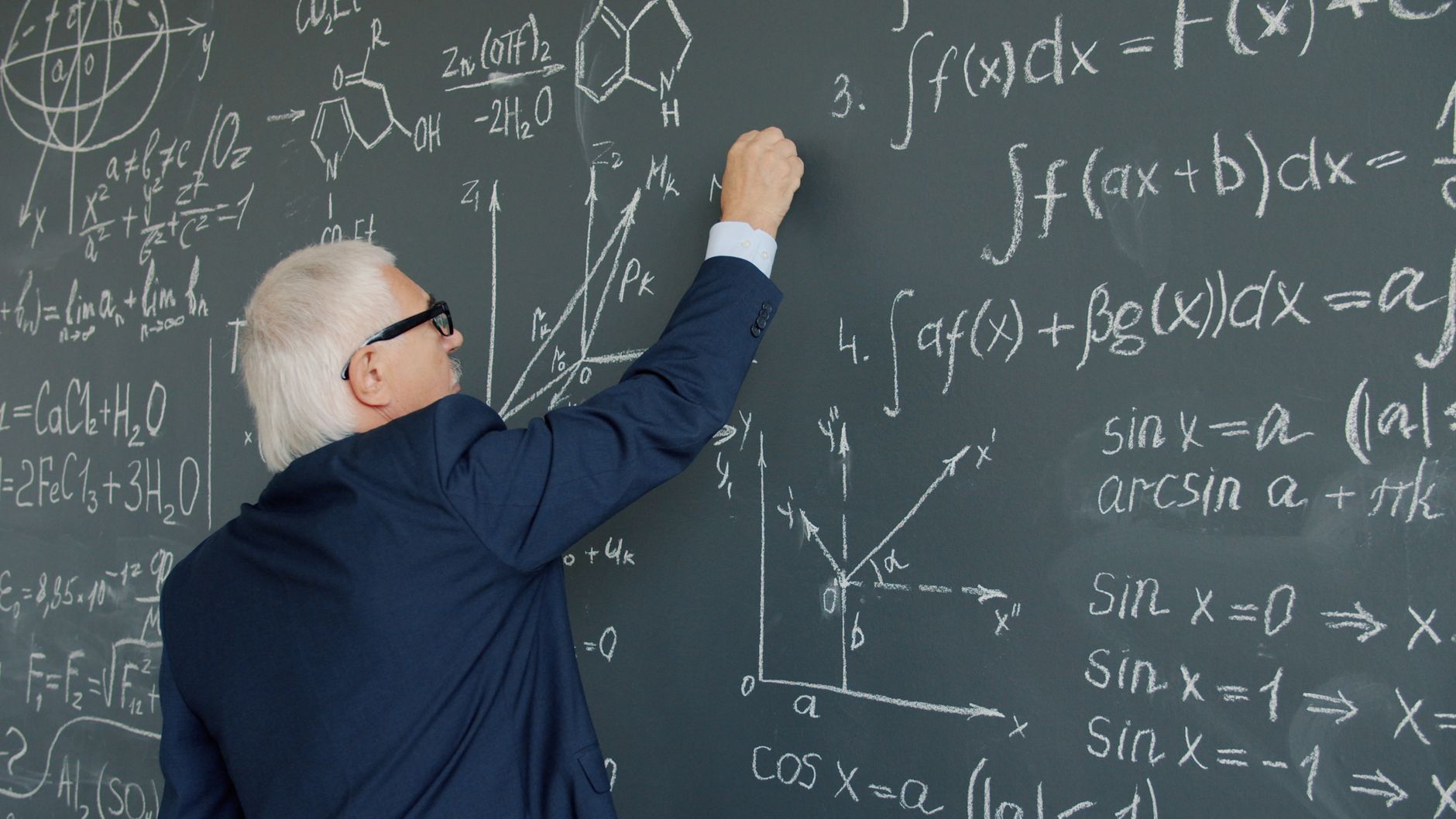
The pact on science and technology is poised to be a cornerstone for innovation. Both nations have pledged to pool resources and expertise to tackle pressing issues such as climate change, renewable energy, and digital transformation. By leveraging each other's strengths, India and Romania aim to pioneer advancements that could benefit not only their own citizens but also contribute to global scientific discourse.
Educational and Cultural Exchange
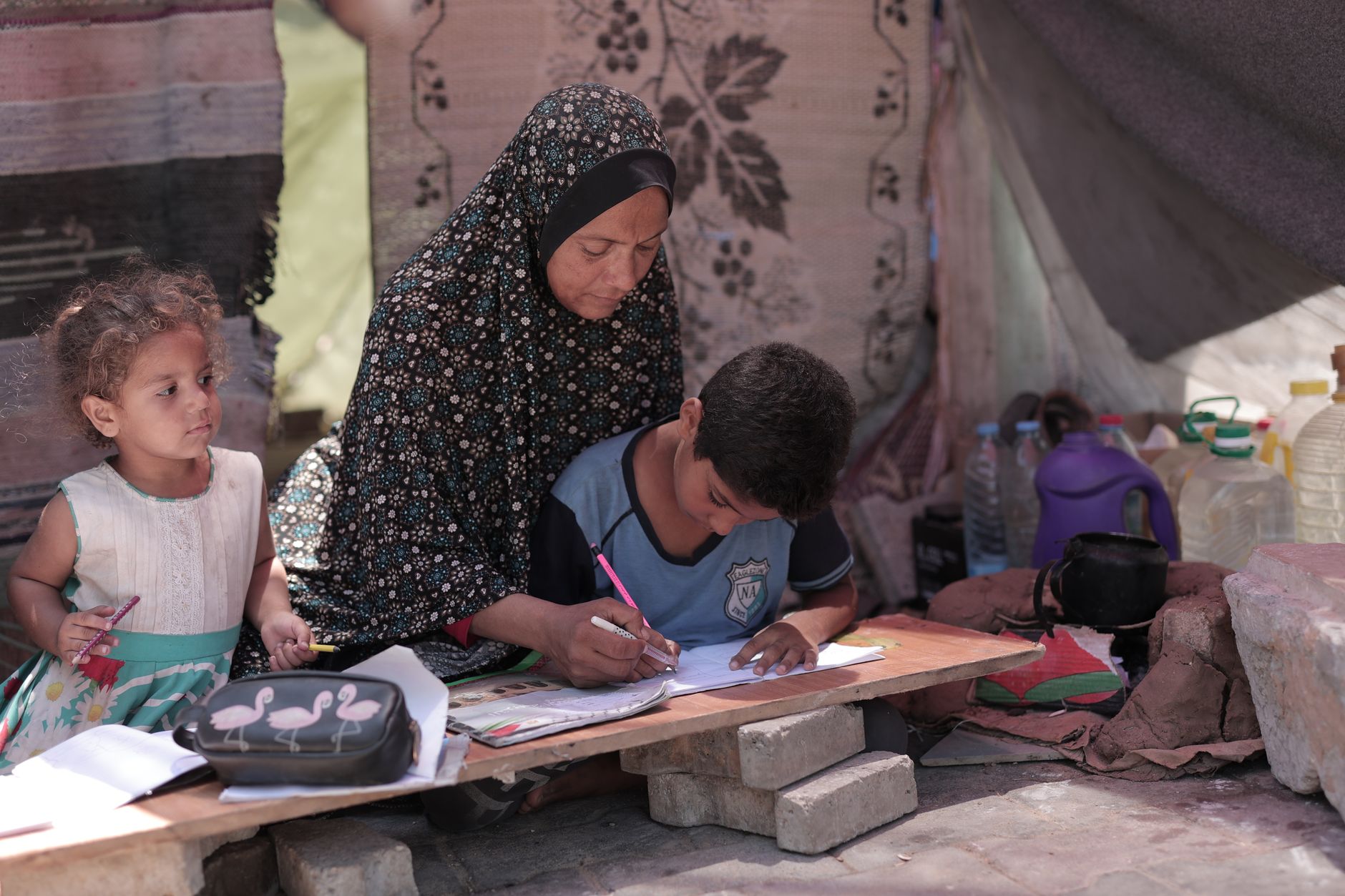
One of the highlights of the agreements is the establishment of a Chair of Indian Studies at the University of Bucharest. This initiative promises to deepen cultural and academic exchange, allowing Romanian students to immerse themselves in the rich tapestry of Indian history, philosophy, and languages. Such educational initiatives are expected to foster greater understanding and goodwill between the two countries.
Sports as a Bridge
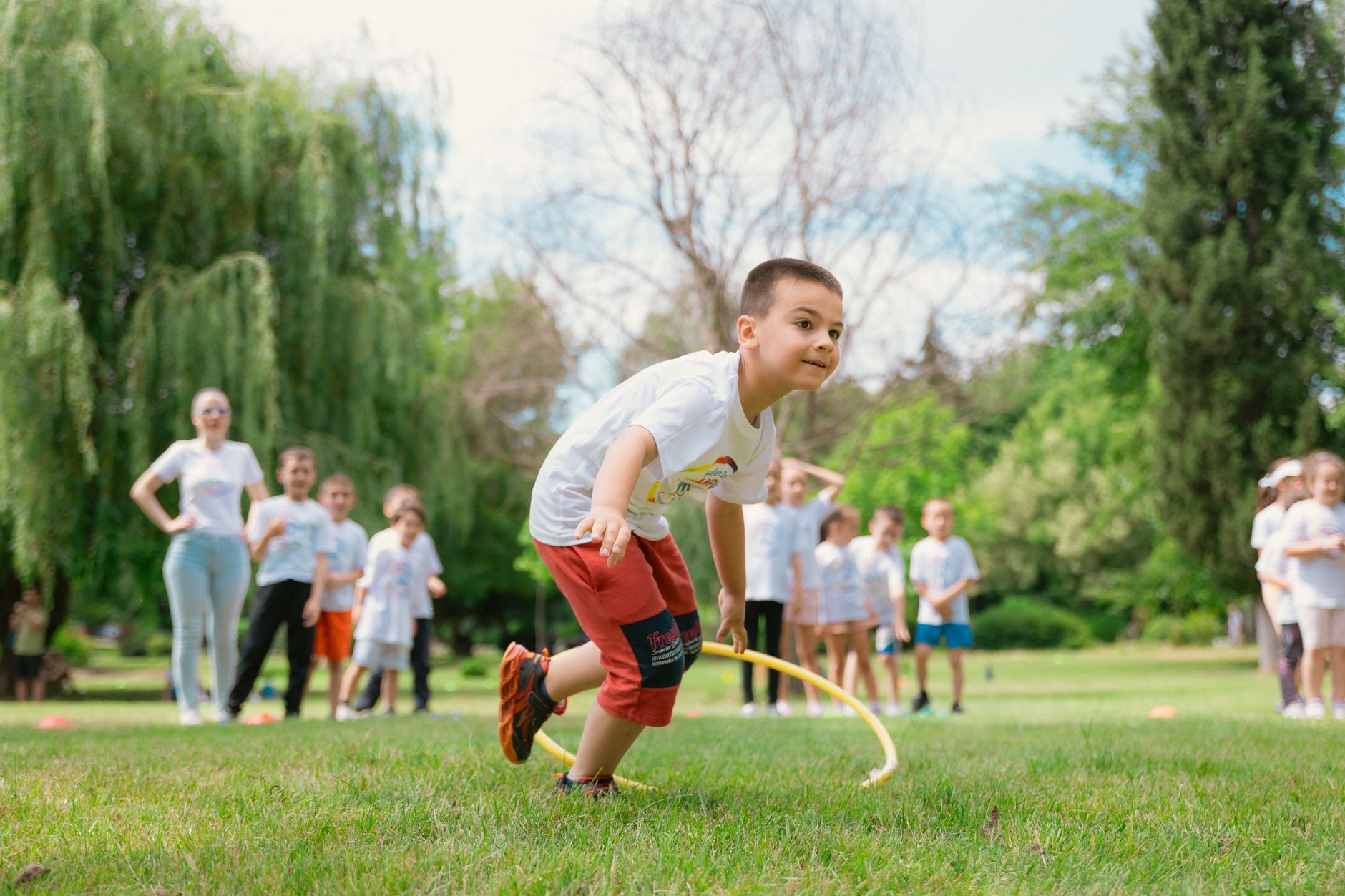
The sports agreement underscores the potential of athletics as a tool for diplomacy and cultural exchange. By facilitating joint training programmes and competitions, India and Romania hope to inspire a new generation of athletes while promoting the spirit of camaraderie and fair play.
As the world watches these developments, it is clear that the agreements are more than mere formalities. They represent a shared vision of progress and cooperation that transcends geographical boundaries. In the coming years, these partnerships could well serve as a model for how nations can work together to address common challenges and aspirations.