India Backs Indigenous Tech for Mumbai-Ahmedabad Rail
The ambitious Mumbai-Ahmedabad high-speed rail corridor has taken a decisive turn towards favouring indigenous technology. In a move that underscores India's commitment to the 'Make in India' initiative, the Indian government has chosen to develop high-speed trains locally, with technical collaboration from Japan. This strategic decision aims to enhance domestic manufacturing capabilities, reduce long-term procurement costs, and establish a robust ecosystem for future high-speed rail projects.
The project, initially stalled by the COVID-19 pandemic, resumed construction in February 2021. The National High Speed Rail Corporation Limited (NHSRCL) has spearheaded efforts to employ the Full Span Launching Methodology technology, propelling India into an exclusive club of nations equipped with such advanced construction methods.
Building on Local Expertise
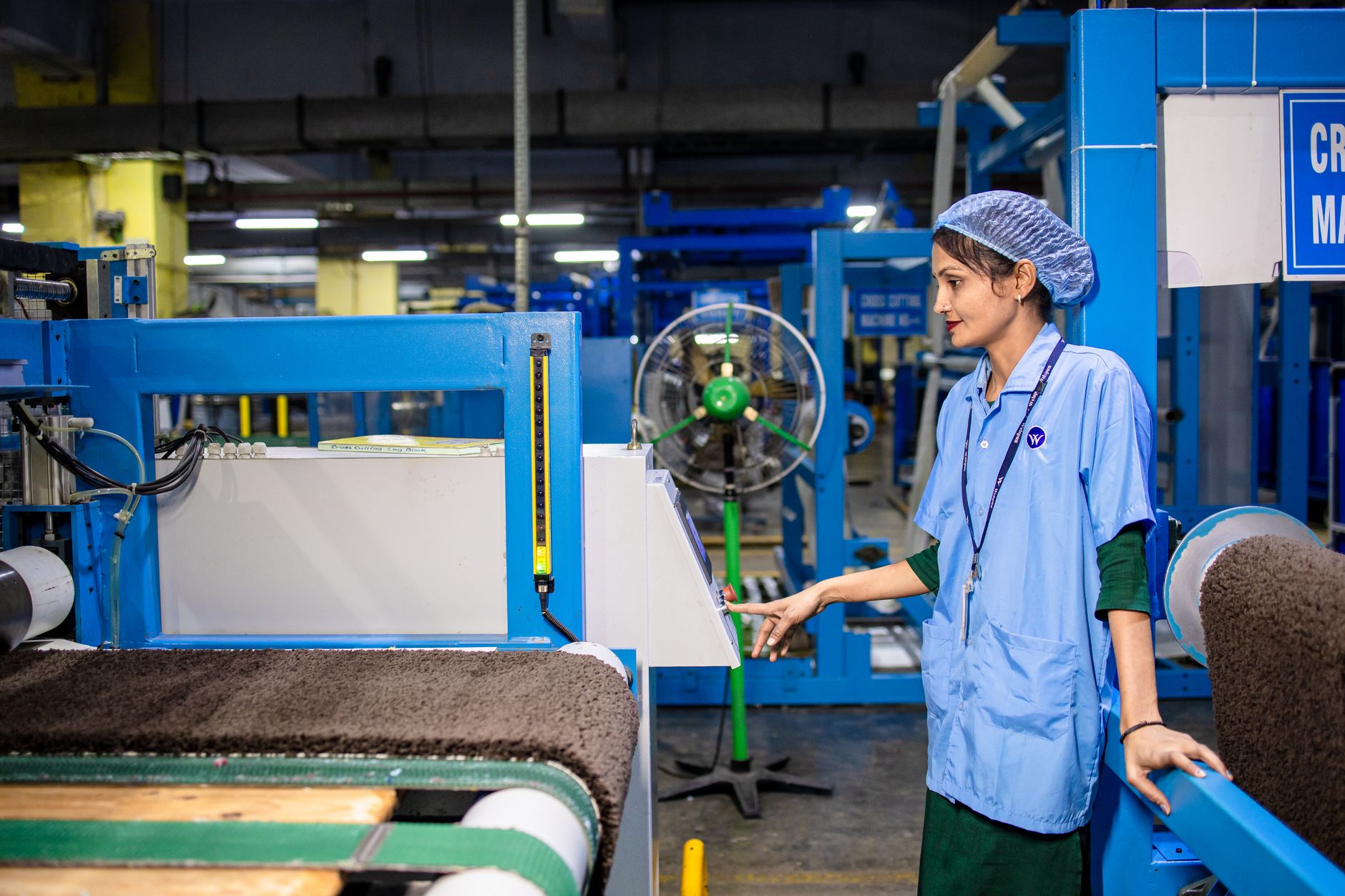
The indigenous trains, while benefiting from Japanese technological expertise, will be manufactured in India, thus fostering local expertise and creating job opportunities. The initiative is not merely about building rail infrastructure; it is about building a legacy of self-reliance in high-tech sectors.
With the project's first section between Surat and Bilimora in Gujarat set to open in 2027, the full corridor is expected to be operational by 2029. The significance of this venture extends beyond the immediate economic benefits, as it promises to cement India's position as a burgeoning hub for high-speed rail technology.
Strategic Partnership with Japan
India's partnership with Japan in this endeavour is pivotal. The collaboration ensures that while the trains will be locally manufactured, they will incorporate cutting-edge Japanese technology, ensuring world-class standards are met. Moreover, the plan to deploy globally interoperable signalling technology aligns with future aspirations to integrate India more fully into the international rail network.
The Mumbai-Ahmedabad corridor is not just a transportation project; it is a testament to India's growing ambitions on the global stage. As the country continues to invest in its infrastructure, projects like these serve as crucial stepping stones towards a more interconnected and self-reliant future.