India Doubles Environmental Clearance Tenure for Ports
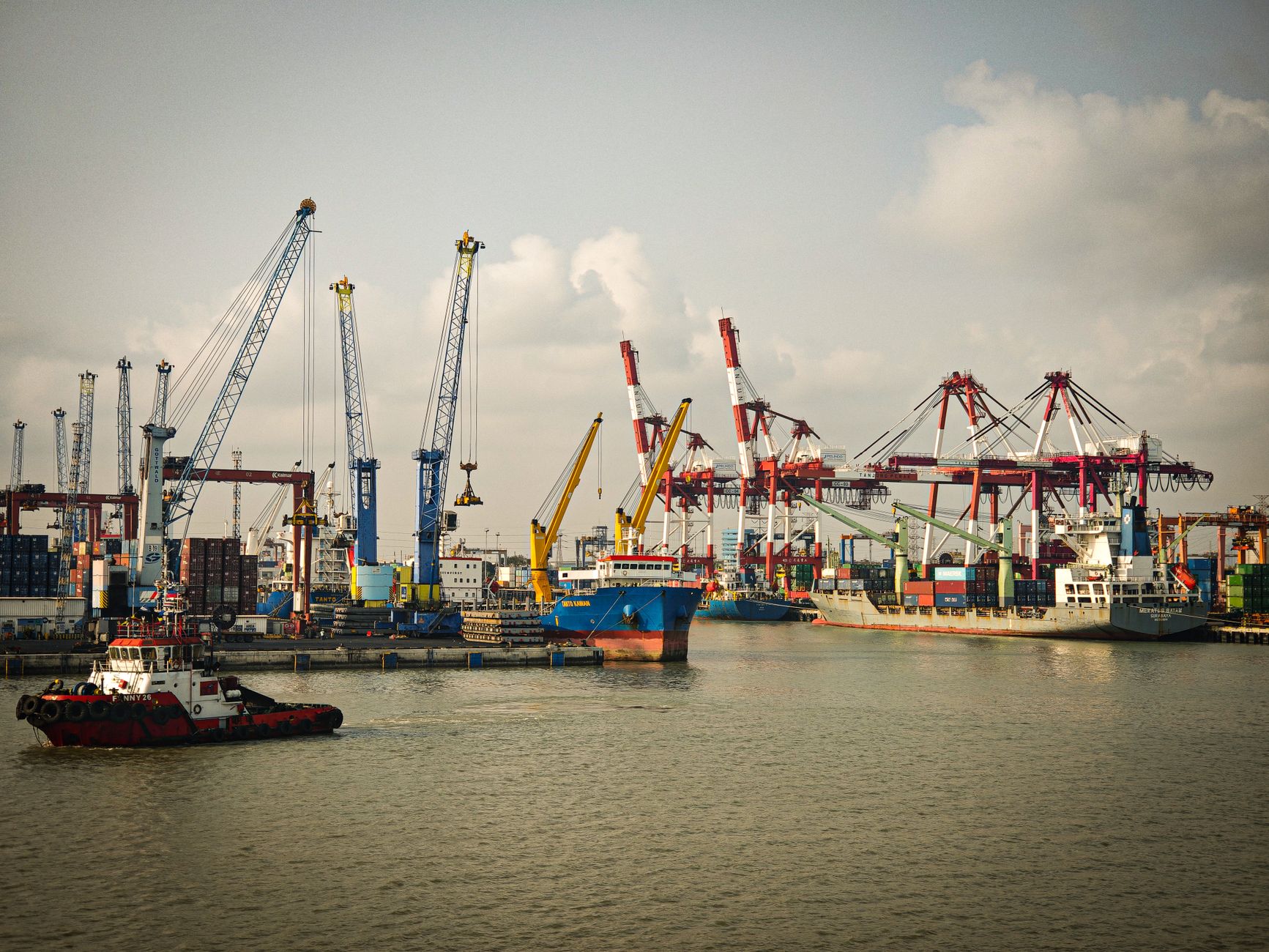
In a sweeping policy shift, India's Ministry of Environment, Forest and Climate Change has announced an extension of the validity period for environmental clearances granted to ports and harbours. The tenure has been doubled from the previous 10 years to a minimum of 20 years, with provisions for two additional five-year renewals, subject to compliance with specific conditions.
This decision has been met with mixed reactions. Proponents see it as a necessary step to streamline bureaucratic processes and stimulate economic growth, particularly in strategic maritime projects like the Great Nicobar transshipment port. They argue that longer clearance periods will provide greater certainty and attract more investment.
However, environmentalists express concern over the potential repercussions on India's coastal ecosystems. The extended validity could mean prolonged periods of unchecked environmental degradation, critics warn, as oversight mechanisms may struggle to keep pace with rapidly expanding infrastructure developments.
Economic Growth vs Environmental Concerns
The government's rationale is rooted in the need to align environmental regulations with the demands of a growing economy. Ports are crucial nodes in global trade, and easing their operational constraints is seen as vital for maintaining India's competitive edge.
Yet, the relaxation comes at a time when environmental accountability is under intense scrutiny worldwide. India, with its vast and diverse natural landscapes, risks undermining its ecological commitments if such policies are not balanced with robust environmental safeguards.
The Great Nicobar Port: A Case in Point
The Great Nicobar transshipment port, a flagship project, exemplifies the tensions inherent in this policy change. While it promises to transform the region into a major logistical hub, it also raises alarms regarding the impact on local biodiversity and indigenous communities.
As discussions continue, the challenge for the Indian government will be to navigate the fine line between fostering development and preserving the environment. The extended clearance period may offer economic benefits, but it also demands a vigilant and adaptive regulatory framework to ensure sustainability.