India Extends Environmental Clearances for Ports to 20 Years
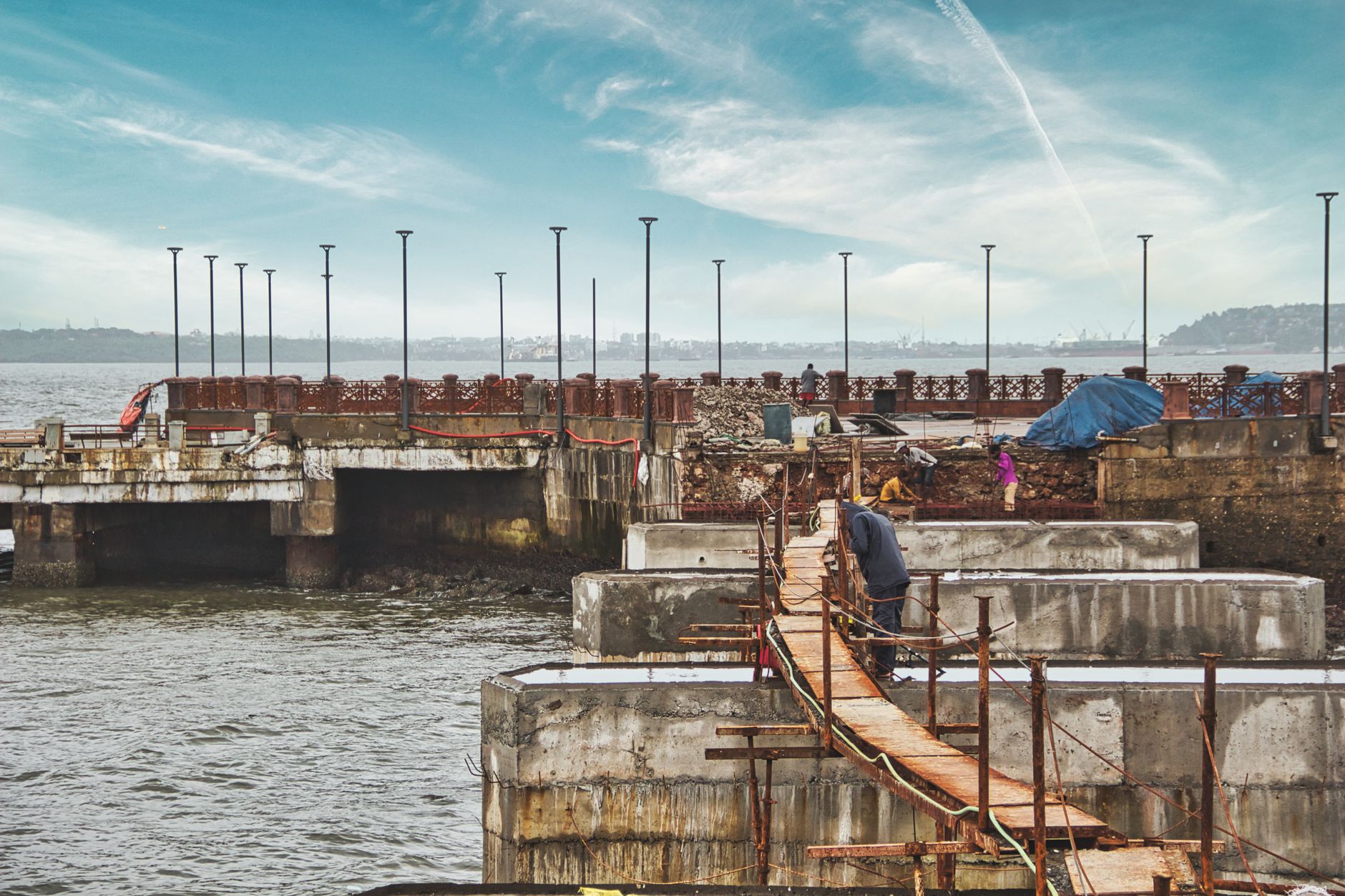
The Indian government's recent decision to extend the validity of environmental clearances for ports and harbours to a minimum of 20 years has stirred both optimism and concern. Announced by the Union environment ministry, this policy change doubles the previous clearance period, offering two potential five-year extensions.
Proponents argue that this extension will expedite infrastructure development, crucial for a nation keen on boosting its maritime capabilities. A longer validity period for clearances is expected to reduce bureaucratic hurdles, allowing for smoother project execution and planning. The shipping ministry has endorsed the decision, highlighting the potential for economic growth and job creation.
However, environmentalists and local communities have raised alarms, particularly over projects in ecologically sensitive areas like the Great Nicobar. Critics argue that extended clearances could lead to insufficient oversight and increased environmental degradation. They point to the recent controversies surrounding the Great Nicobar transshipment port, where concerns about biodiversity loss and habitat destruction have been rampant.
The environment ministry, while acknowledging these concerns, maintains that stringent monitoring and conditional extensions will mitigate negative impacts. An expert advisory committee will oversee compliance with environmental norms, ensuring that projects adhere to sustainable practices.
This policy shift occurs amidst broader efforts to ease regulations for infrastructure projects across the country. Similar relaxations have been seen in mining leases, now valid for fifty years, with environmental clearances extended to thirty years.
The debate highlights the perennial tension between development and conservation. As India treads this delicate path, the efficacy of its regulatory frameworks will remain under scrutiny. Whether this decision will ultimately favour economic progress without compromising environmental integrity is a question that will be closely watched in the coming years.