India Extends Port Environmental Clearances to 20 Years
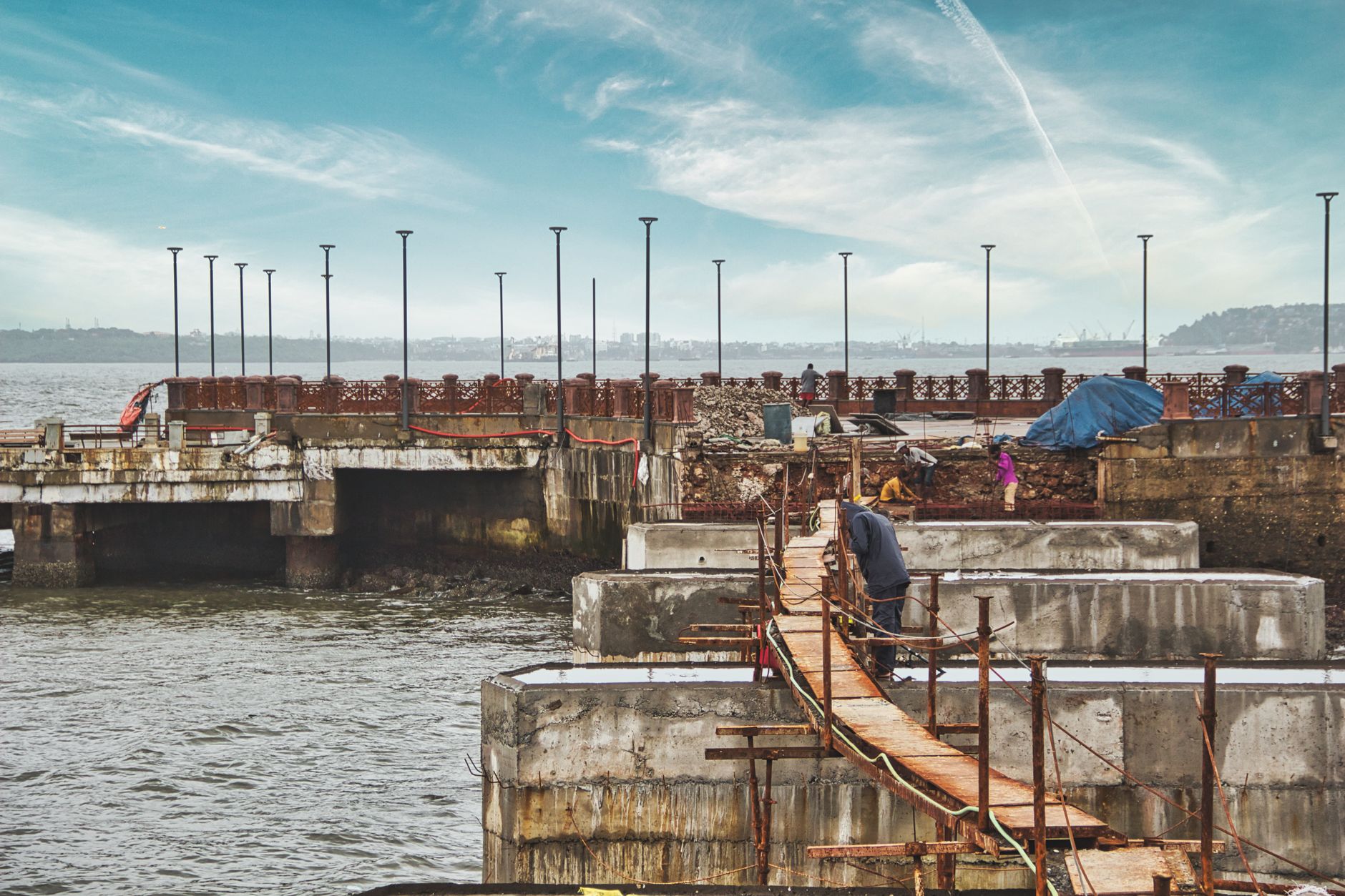
In a bold move that underscores an evolving approach to infrastructural development, India's Ministry of Environment, Forest and Climate Change has extended the environmental clearance period for ports and related projects from 10 to 20 years. This decision, announced in a recent gazette notification, includes provisions for two additional five-year extensions, effectively allowing certain projects a lifespan of up to 30 years.
The rationale behind this significant change is to provide longer-term stability for port development and expansion projects. Previously, port operators faced the cumbersome task of renewing environmental clearances every decade, often hindering long-term investment and planning. The new rules aim to alleviate these concerns, offering a more predictable framework for businesses while still maintaining oversight.
Balancing Growth and Environment
The extension is not merely an administrative convenience but a strategic decision aimed at bolstering India's maritime infrastructure. Ports are vital nodes in the global supply chain, and India's expanding economy demands robust logistical capabilities. By easing the bureaucratic burden, the government hopes to attract more investment and expedite infrastructural projects.
However, this regulatory relaxation comes with its own set of challenges. Environmentalists have voiced concerns that longer clearance periods could lead to increased environmental degradation. The provisions for extensions are subject to conditions, such as adherence to stringent Environmental Management Plans. This ensures that projects remain compliant with environmental standards throughout their extended lifespans.
Implications for Future Projects
While the extended clearance period offers stability, it places a heavier burden on initial environmental assessments. Developers must now anticipate and mitigate potential impacts over a much longer timeframe. This could lead to more comprehensive and robust assessments at the outset, theoretically improving overall project outcomes.
Nonetheless, the decision does raise questions about the long-term sustainability of such policies. With climate change and environmental concerns becoming increasingly pressing, the balance between economic development and environmental stewardship remains delicate.
In conclusion, India's decision to extend environmental clearances for ports reflects a growing recognition of the need for strategic planning in infrastructural development. As the nation seeks to modernise and expand its maritime capabilities, it must also grapple with the environmental responsibilities that accompany such ambitions.