India Faces New Mental Health Hurdle: AI Addiction
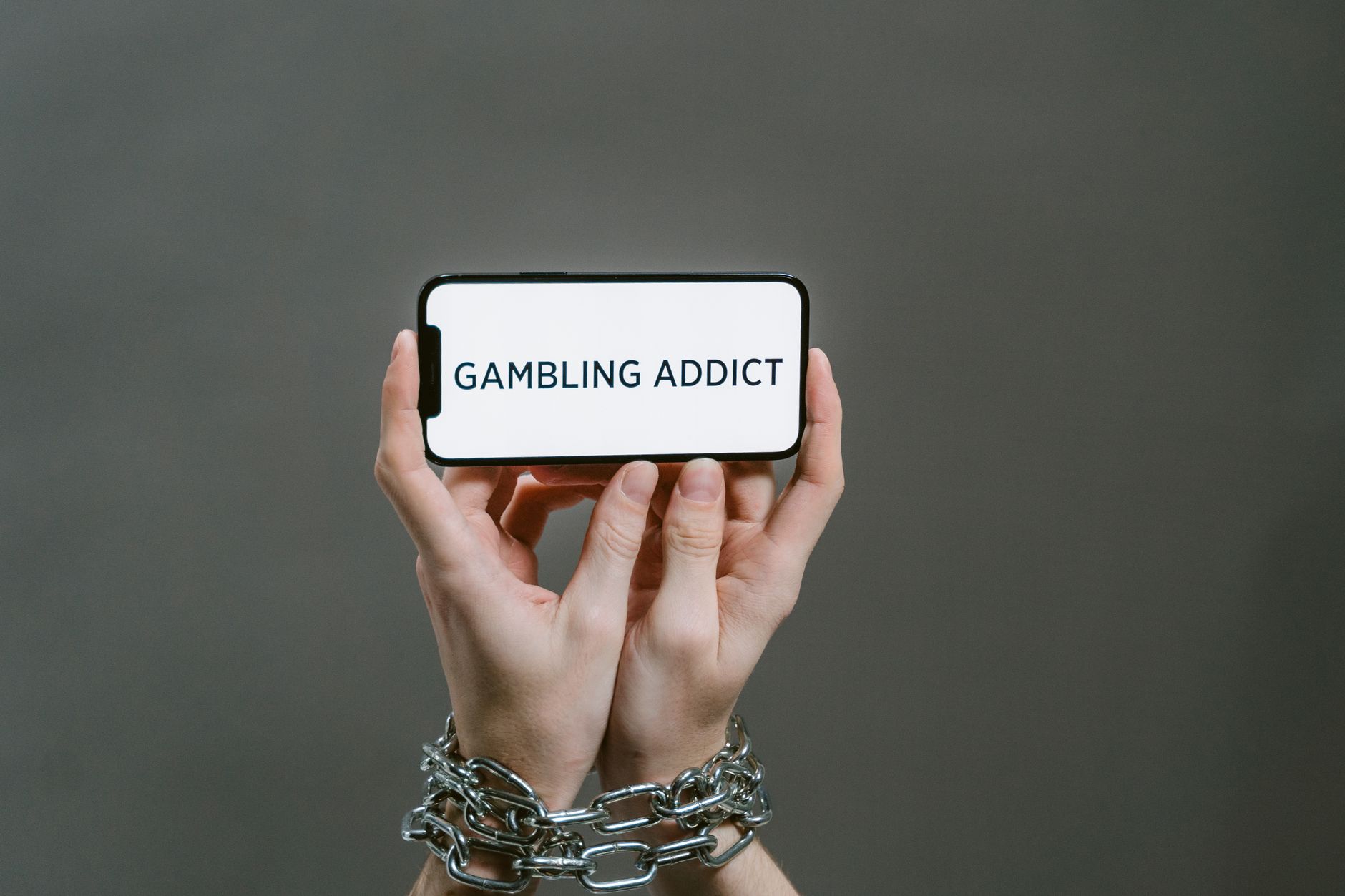
In a nation where technology weaves itself into the fabric of everyday life, a new concern is emerging: AI addiction. With artificial intelligence increasingly dictating everything from professional tasks to personal decisions, experts are sounding the alarm on a burgeoning mental health crisis in India.
The allure of AI's convenience is undeniable. Yet, as reliance on these systems grows, so too does the potential for adverse effects. Dr. Anjali Menon, a leading psychiatrist in Mumbai, observes, “AI addiction isn't just about overusing technology; it's about what we lose in the process—our creativity, our emotional resilience, and, crucially, our social bonds.”
Beyond the Screen: The Human Cost
AI's pervasive presence could lead to withdrawal from genuine human interactions. Individuals might find themselves more comfortable engaging with algorithms than with people, thereby exacerbating feelings of loneliness and anxiety. This is particularly concerning in India, where mental health care is often inadequate due to resource constraints.
Dr. Menon highlights that while AI can aid in decision-making, overdependence can diminish one's ability to think critically. “We’re seeing a generation that’s losing touch with its intuition. AI can provide answers, but it cannot replace the human touch,” she adds.
Addressing the Challenge
India's mental health infrastructure is already stretched thin. With wide treatment gaps and underfunded services, the potential rise in AI-induced mental health issues could overwhelm the system. Public health experts advocate for preemptive educational campaigns to raise awareness about the risks of AI addiction.
Government initiatives focusing on mental health resilience and digital literacy might prove pivotal. Encouragingly, some tech companies are beginning to introduce features that promote healthy digital habits, but Dr. Menon believes more needs to be done.
Ultimately, the onus lies on both individuals and society to navigate this new terrain responsibly. As AI continues to evolve, so too must our understanding of its impact on our mental well-being.