India Grants Ports 20-Year Environmental Clearance with Possible Extensions
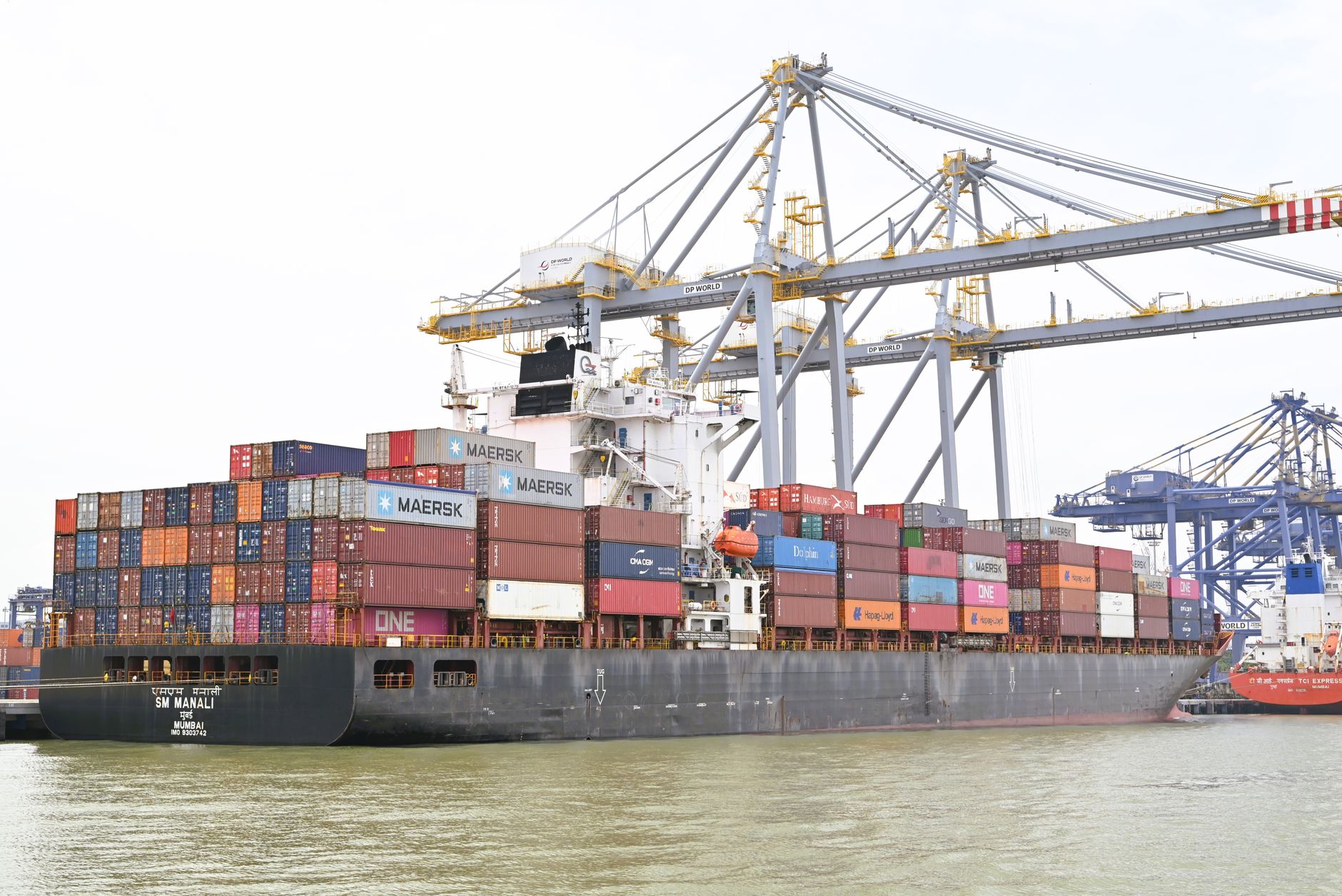
In a bold move that underscores India's commitment to both economic development and environmental stewardship, the government has announced a significant extension of environmental clearances for ports and harbour projects. Initially capped at a decade, these clearances will now span 20 years, with provisions for two additional five-year extensions.
The announcement, which comes as part of a broader amendment to the Environment Impact Assessment (EIA) norms, aims to provide greater stability and predictability for port developers. However, this extended timeline does not come without its caveats. The extensions are contingent upon strict adherence to environmental safeguards, ensuring that while the ports expand, their ecological footprints do not.
Balancing Growth and Green Concerns
At the heart of this policy shift is an attempt to balance India's burgeoning economic ambitions with its environmental responsibilities. Ports serve as critical nodes in the supply chain, essential for facilitating trade and fostering economic growth. Yet, their development often comes at a cost to coastal ecosystems, threatening marine biodiversity and local livelihoods.
The new clearance regime addresses these concerns by embedding a framework of compliance that port operators must follow. It ensures that while the bureaucracy is streamlined, the environmental accountability remains robust.
Implications for Future Developments
By extending the validity of clearances, the government hopes to attract more investment into the sector, fuelling the growth of new ports and the expansion of existing ones. This could potentially make India a more attractive destination for global maritime trade, aligning with its aspirations to become a shipping hub.
However, the success of this policy will largely depend on the rigorous enforcement of environmental conditions. Critics argue that without stringent oversight, the extended clearance period could lead to neglect of environmental concerns, undermining the very ecosystems the policy purports to protect.
Ultimately, the efficacy of this policy will be judged by how well it manages to marry the twin goals of economic and environmental sustainability. As India charts its course towards becoming a maritime power, this delicate balance will be crucial.