Indian-American Politicians Urge Diaspora to Combat Hate with Political Action
In a climate marked by escalating xenophobia and ethnic prejudice, Indian-American lawmakers are making a clarion call to their community. With reports of anti-Hindu and anti-desi incidents on the rise, these politicians are urging their fellow Indian-Americans to enter the political fray and make their voices heard.
The call for political engagement comes against a backdrop of increasing racial tensions in the United States. Legislators from the Indian-American community argue that the most effective way to combat prejudice is to participate actively in the political process. By doing so, they say, the diaspora can ensure better representation and advocate for policies that protect minority rights.
Representation Matters
Indian-Americans, though a small percentage of the US population, have historically wielded significant influence in sectors such as technology and medicine. Yet, in the corridors of political power, their presence has been less pronounced. Lawmakers argue that this needs to change if the community is to safeguard its interests.
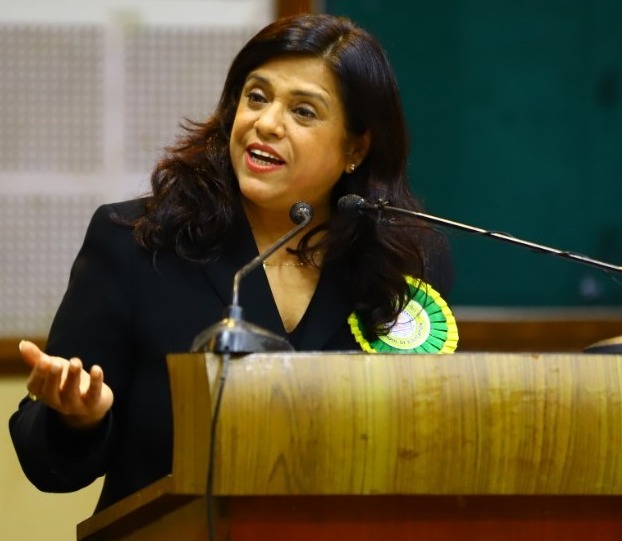
"Representation in politics is crucial," said one legislator, emphasising how political presence can influence decision-making at various levels of government. "It's about having a seat at the table where decisions are made," they added.
A Community at a Crossroads
The push for political involvement comes as the community grapples with an identity crisis of sorts. On the one hand, there's pride in cultural heritage and accomplishments; on the other, there's the stark reality of discrimination and bias. Navigating this complex landscape requires strategic involvement in policy-making, lawmakers say.
Grassroots movements have already begun to take shape, with several Indian-Americans running for local offices across the country. These efforts are not just symbolic; they are seen as crucial steps towards broader societal acceptance and integration.
As the political climate in the United States remains volatile, the Indian-American community stands at a crossroads. The choice, as their leaders suggest, is between passivity in the face of adversity or active engagement to shape a more inclusive future.