Indian Students Opt for Local Universities Amid Global Challenges
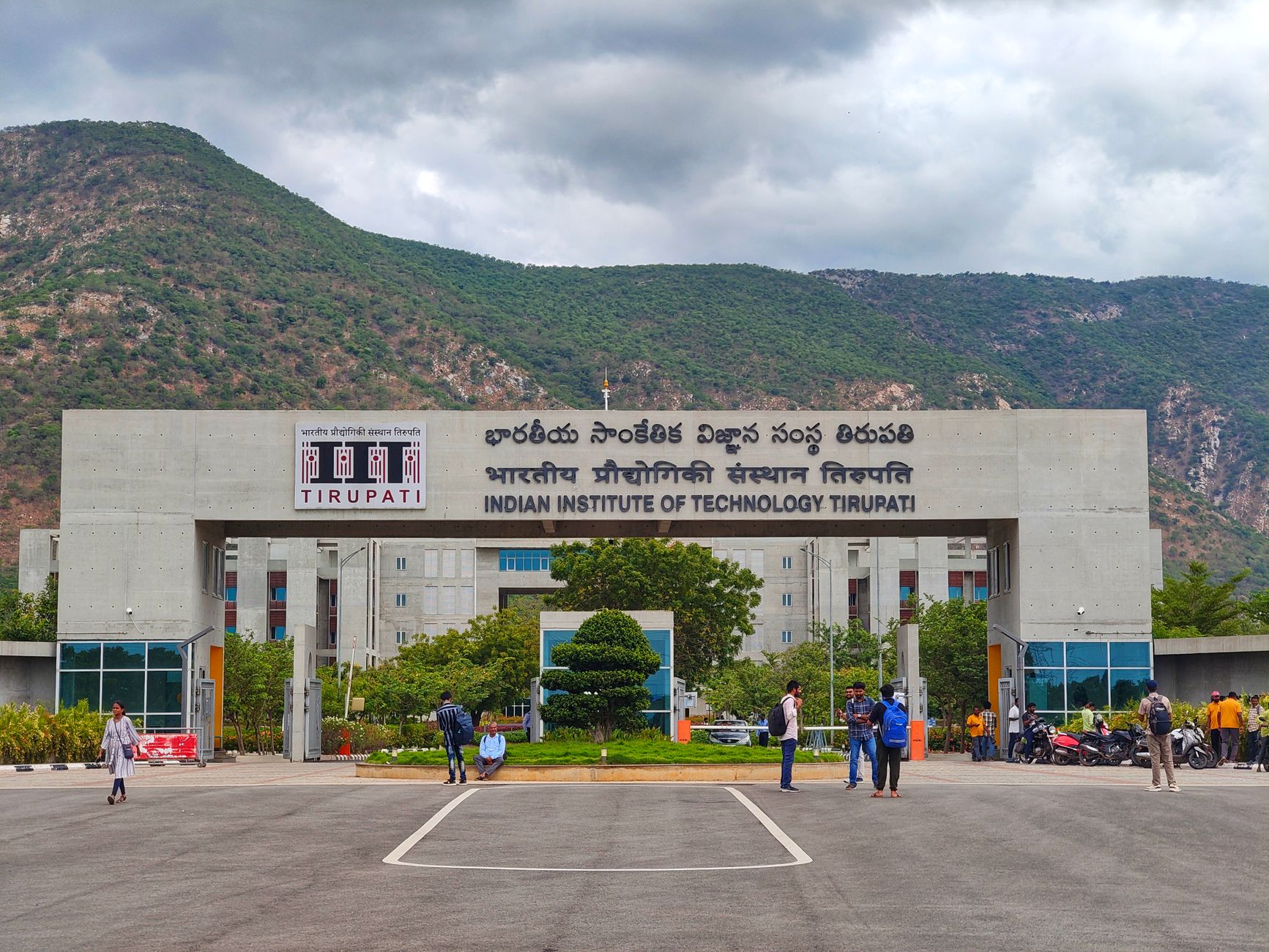
In a nation where studying abroad has often been equated with prestige and better prospects, a quiet yet significant shift is underway. Indian students, once eager to cross continents for education, are now re-evaluating their options, choosing to remain on home soil for their higher studies.
Recent surveys reveal a marked decline in the number of Indian students seeking education in traditional hotspots like the United States, the United Kingdom, Canada, and Australia. The reasons are manifold: increasingly restrictive immigration policies, soaring living costs, and the uncertain job market in these countries. As a result, students are now looking closer to home, where opportunities are burgeoning.
In response, Indian institutions are rising to the challenge, enhancing their curricula, investing in infrastructure, and forging international collaborations to provide a competitive edge. Institutions such as the Indian Institutes of Technology (IITs) and Indian Institutes of Management (IIMs) are already renowned, but other universities are also making strides to attract talent with new programmes and facilities.
The Global Context
The global political climate has also played a role in this shift. With changing administrations in the US and the bureaucratic hurdles that accompany visa applications, the allure of a foreign degree has somewhat dimmed. Moreover, the pandemic has highlighted the vulnerabilities of being far from home during crises, prompting many to rethink their plans.
Yet, this is not merely a reaction to external pressures. Many students express a burgeoning confidence in the quality of education available domestically. The increased focus on research and development, coupled with the rise of start-up culture in India, offers promising prospects for graduates.
Looking Forward
The implications of this trend are profound. As Indian universities attract more students, they are likely to see increased funding and partnerships with international institutions. This could lead to a virtuous cycle of improvement and innovation in the Indian education sector.
While the dream of studying abroad will never fully fade, the current dynamics suggest that India's own educational landscape is poised for transformation. For students, this means more choices and potentially less financial burden. For the nation, it heralds a new era where brain drain gives way to brain gain, with talent being nurtured and retained within the country's borders.