Indian Workers Documenting Labour to Train Future AI
In a bustling corner of Chennai, a housewife deftly slices a mango while a smartphone captures each precise movement. This isn't just a culinary exercise; it's part of a burgeoning industry where thousands of Indian workers are documenting their everyday tasks to train artificial intelligence systems. These videos serve as a foundational dataset for AI-powered robots, enabling them to replicate human activities with increasing accuracy.
The Mechanics of AI Training
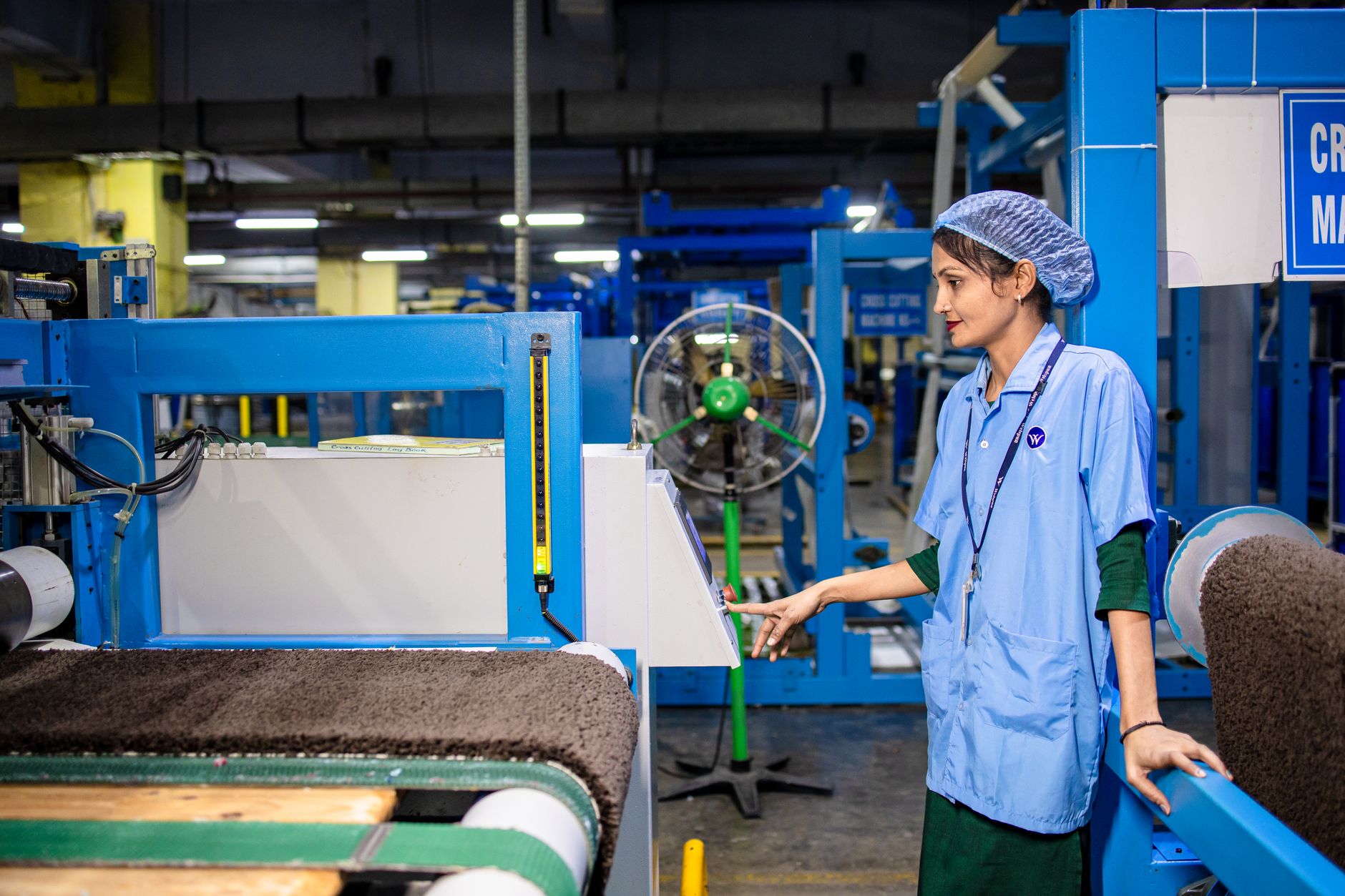
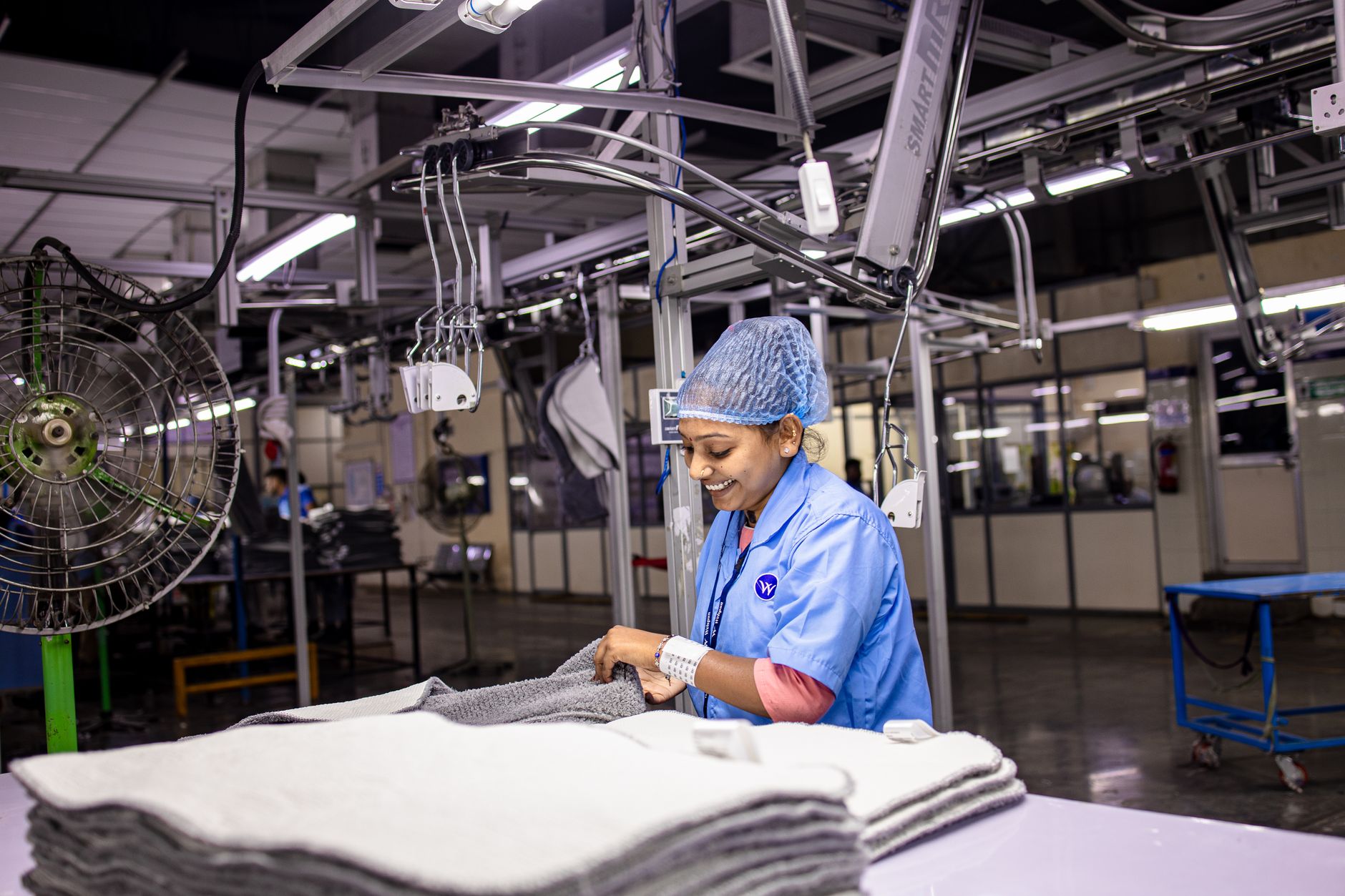
Equipped with head-mounted cameras and smartphones, these workers are paid around ₹250 per hour to record tasks ranging from household chores to factory assembly. The footage is used by robotics firms to teach machines the nuances of human motion—essentially training AI to one day perform these tasks autonomously.
The initiative highlights India's dual ambition: to emerge as a global leader in AI development while grappling with the potential displacement of human labour. The country is investing heavily in AI technologies, but as automation accelerates, the spectre of job losses looms large. This dichotomy is sparking heated debates about the future of work and the ethics of using human labour to train machines that could ultimately replace it.
Ethical Quandaries and Economic Realities
Footage of Indian workers wearing head-mounted cameras has gone viral, fuelling a wider discussion on the ethical implications of such practices. Critics argue that while these jobs provide immediate income, they might be paving the way for a future where human workers are redundant. Proponents, however, see it as a necessary step towards technological progress, arguing that AI could eventually create new job categories we can't yet envision.
As India navigates these complex issues, it must balance the allure of cutting-edge technology with the socio-economic realities of its vast workforce. The challenge lies not only in harnessing AI's potential but in ensuring that the march towards automation is inclusive and equitable.