India's AI Data Centres: The Environmental Conundrum
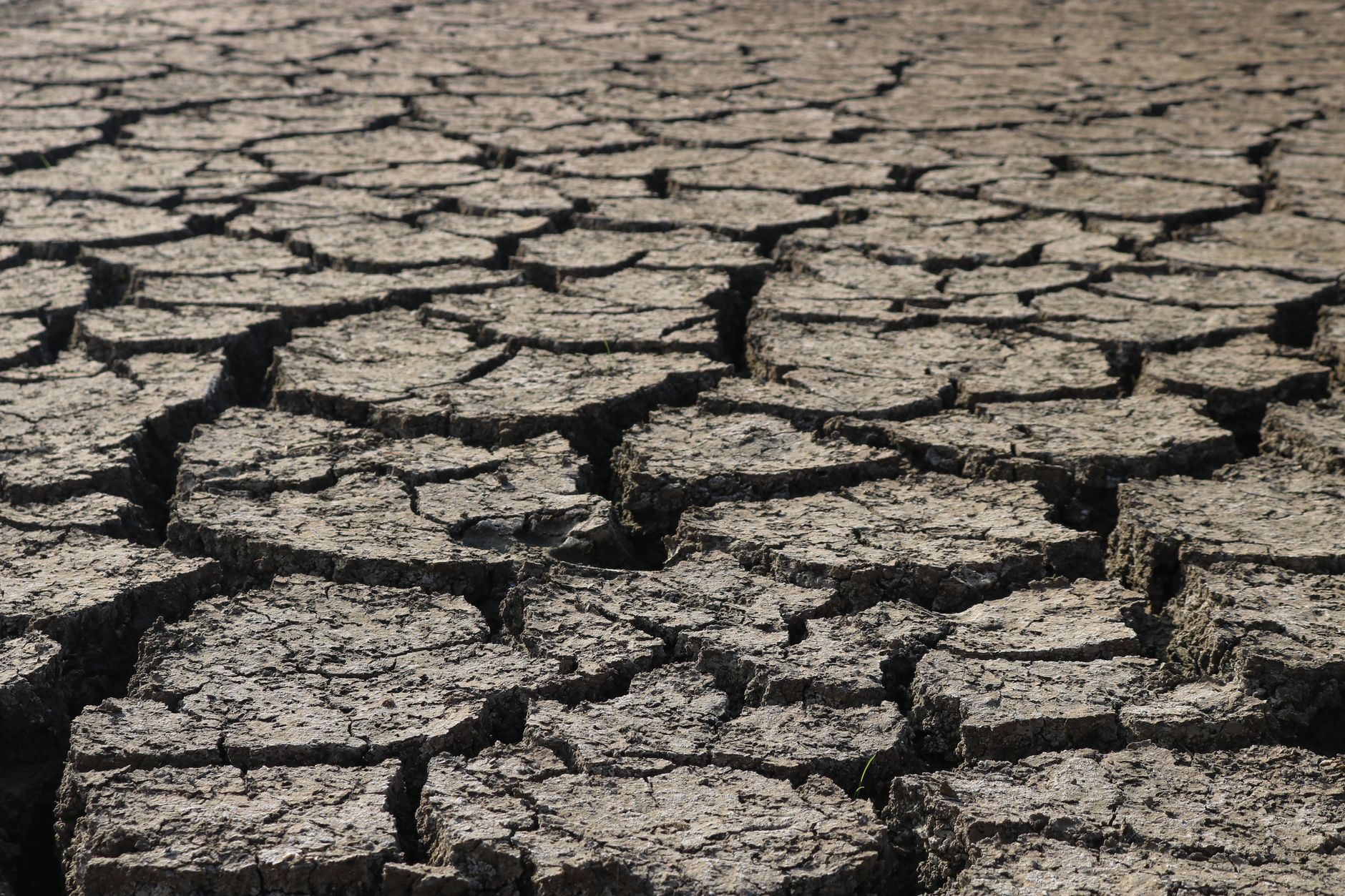
The recent announcement by the Union government that AI data centres do not require a separate environmental clearance has ruffled more than a few feathers. The clarification, delivered amidst growing concerns over environmental impacts, argues that existing regulations governing large buildings and construction projects are sufficient. Yet, critics beg to differ, pointing to the potential for significant environmental ramifications, particularly water stress.
India's burgeoning data centre industry is poised for explosive growth, driven by the demand for AI capabilities. With major players like Microsoft and Adani establishing their presence, the sector's water consumption could reach a staggering 358 billion litres by 2030. Despite this, the Ministry of Environment, Forests and Climate Change remains firm in its stance: data centres fall under the same environmental scrutiny as other large infrastructure projects, and no additional measures are required.
Detractors, however, argue that this approach is shortsighted. The absence of a specific framework addressing the unique challenges posed by AI data centres, such as thermal impact and water stress mapping, raises concerns. Environmental activists highlight the irony in the Ministry's position, which seems to prioritise technological advancement over ecological preservation.
Balancing Progress and Conservation
The crux of the issue lies in balancing India's digital ambitions with its environmental responsibilities. While the government assures that all necessary precautions are in place, the lack of a dedicated policy for AI data centres leaves room for doubt. The omission of mandatory water stress assessments in state policies further exacerbates these worries.
As the debate continues, India finds itself at a crossroads. The drive towards becoming a global technology hub cannot come at the expense of its natural resources. Yet, without a clear environmental directive, the path forward remains mired in uncertainty.
In the end, the question is not whether India can accommodate its growing data centre demands, but whether it can do so sustainably. The solution will require a delicate balance between fostering technological growth and safeguarding the environment for future generations.