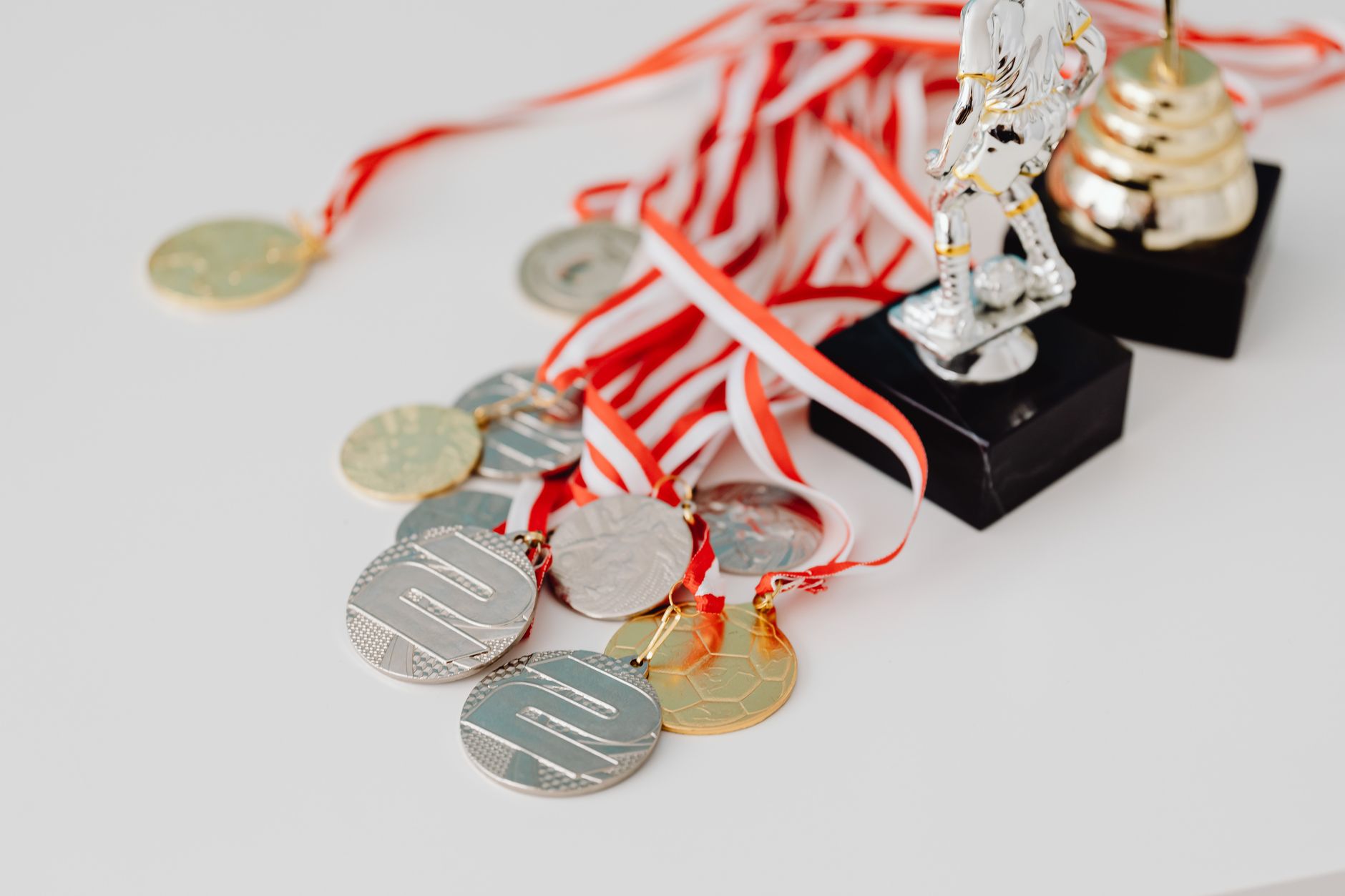
India's Ambitious Push to Transform Sports Equipment Exports
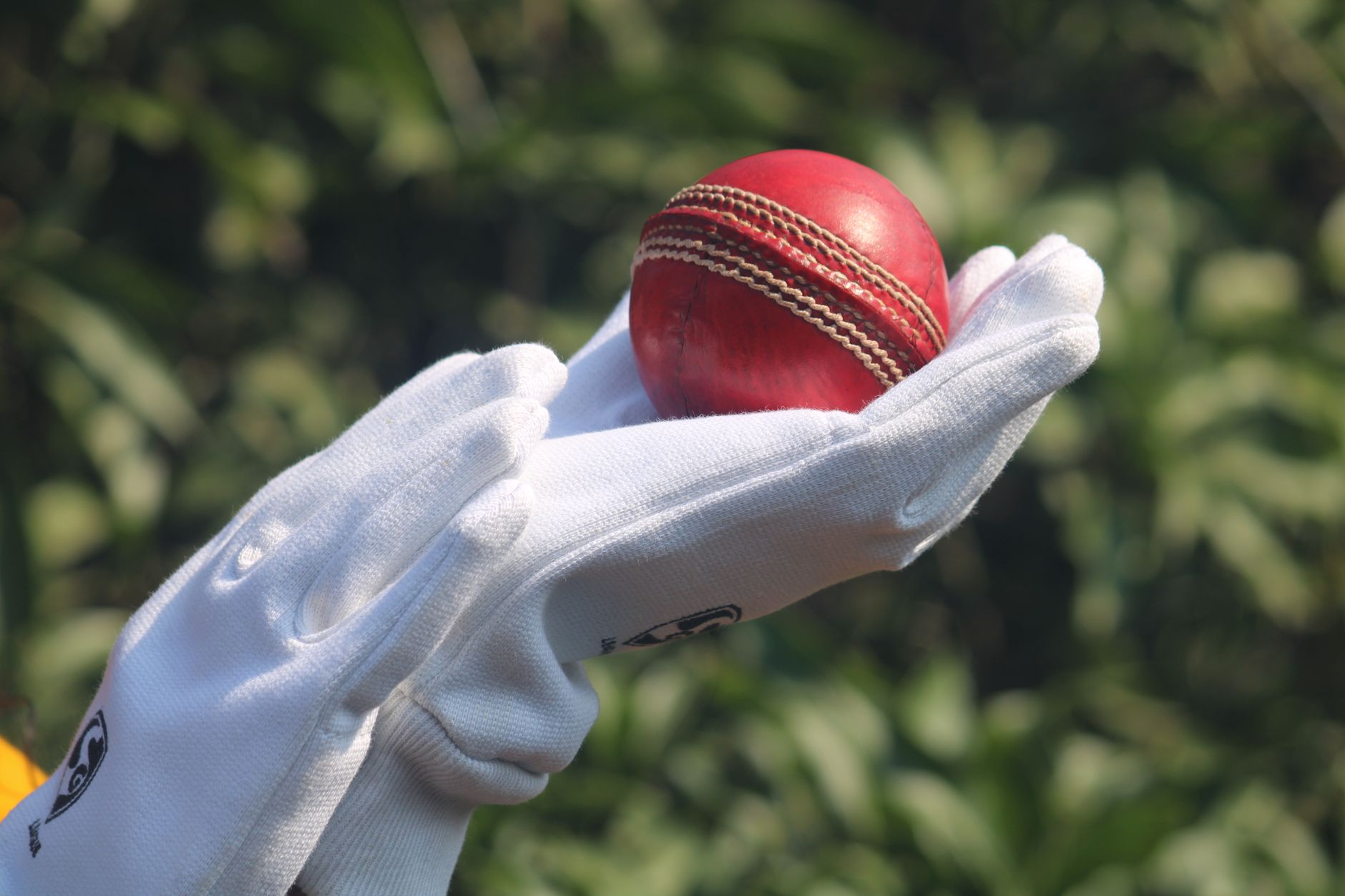
In a nation where cricket bats are as ubiquitous as umbrellas in a British summer, India’s latest ambitions in the sports equipment sector stretch far beyond the boundaries of the pitch. The country is setting its sights on carving out a significant slice of the global sports equipment market, aiming for an expansion that could see exports soar to a formidable $8.1 billion by 2036.
To achieve this lofty goal, India is targeting an 11% share of the global sports equipment export market. The aspiration is not merely a patriotic pastime but a serious industrial strategy that could create nearly 54 lakh jobs. However, such an ambitious target is not without its challenges. The nation must tackle both its supply-side inefficiencies and its demand-side aspirations with equal vigour.
Government Initiatives and Challenges
The Indian government has already signalled its intent with a dedicated allocation of INR 500 crore for sports goods manufacturing in the Union Budget 2026. This financial commitment is designed to modernise factories, cut input costs, and create internationally accredited testing facilities. These moves are crucial if India is to meet international standards and appeal to a discerning global market.
Yet, the path is fraught with hurdles. The manufacturing sector, particularly in sports goods, is plagued by outdated techniques and sporadic quality control. For India to be seen as a reliable supplier, consistent quality and innovation will be key. Moreover, leveraging major international sporting events to showcase and generate orders for domestic companies will be vital in building a global reputation.
The Road Ahead
India's potential in this field is not in question. The country has a robust tradition in manufacturing specific types of sports goods, notably cricket equipment, which already enjoys a global market. However, the task ahead involves broadening this expertise to encompass a wider array of sports equipment.
In the coming years, the focus will likely be on diversifying the range of goods and improving supply chain efficiencies. Collaboration with international brands and the adoption of cutting-edge manufacturing technologies will be pivotal.
India's journey to becoming a sports equipment export powerhouse is a marathon, not a sprint. The stakes are high, but with strategic planning and execution, this vision could indeed become a reality, leaving a significant mark on the global stage.