India's Bold Step Towards Homegrown Smartphone Brands by 2028
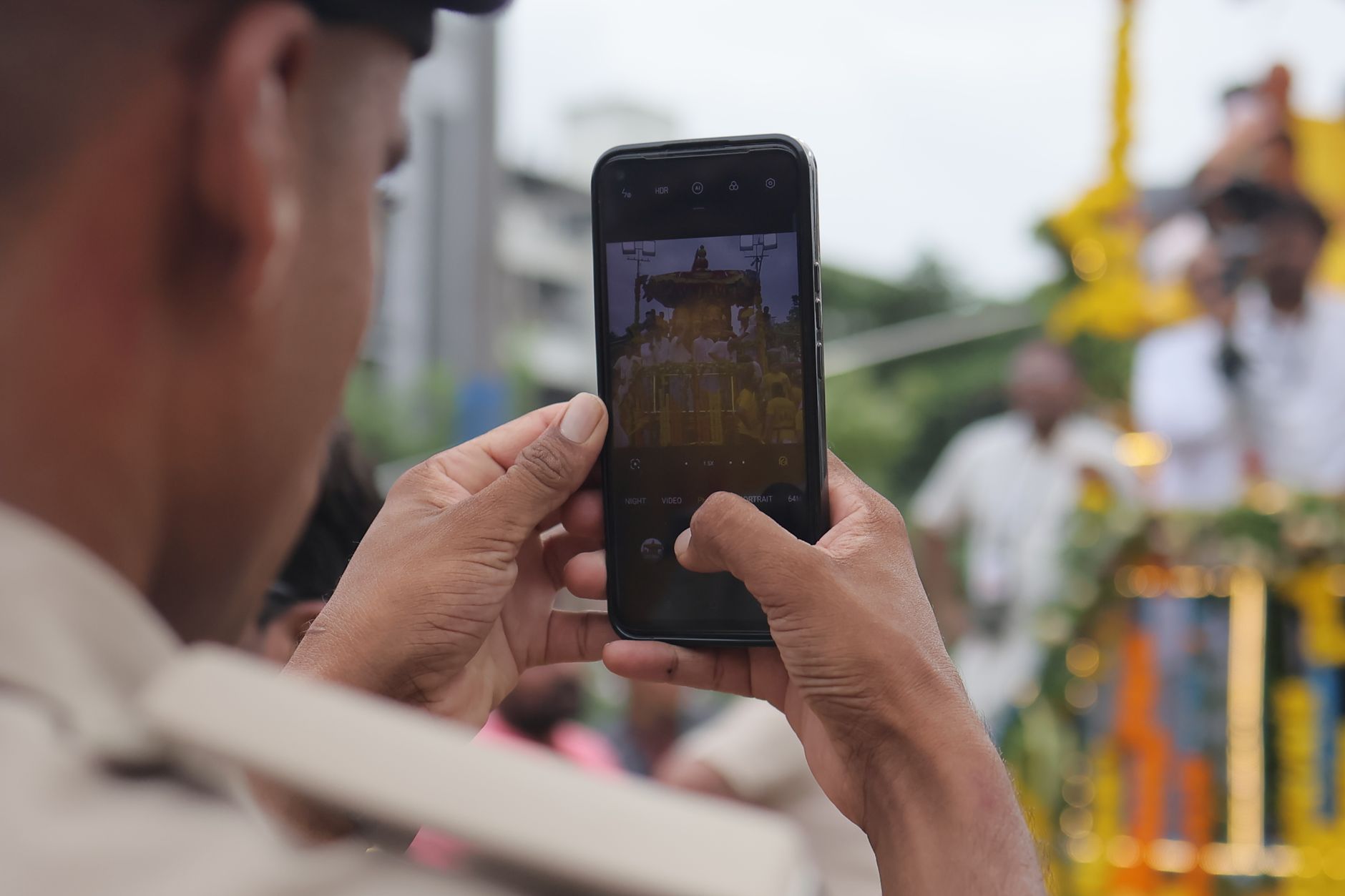
In what could be described as a clarion call for technological self-reliance, Union IT Minister Ashwini Vaishnaw has unveiled an ambitious plan for India to birth its own smartphone brands by 2028. These devices, designed, manufactured, and branded within India, aim to catapult the nation from its current status as an assembly line to a comprehensive design and manufacturing powerhouse.
Speaking at the NDTV World Summit, Vaishnaw painted a picture of a vibrant technological future, unrestrained by the 'stymied' regulations of past administrations. He contended that previous governments had shackled the manufacturing sector with cumbersome rules and red tape. His vision for 2028 is not merely about creating gadgets but establishing a robust technological ecosystem that can stand toe-to-toe with global giants.
Breaking Free from Past Constraints
The minister's declaration is more than just an economic aspiration; it's a statement about India's place on the world stage. For decades, India's role in the smartphone industry has been largely limited to assembly, with multinational corporations setting up shop to exploit the relatively low production costs. However, the promise of a 'made in India' smartphone represents a strategic pivot towards greater technological sovereignty.
Vaishnaw's timeline of 2028 suggests a methodical yet determined approach, one that requires not only infrastructural readiness but also a skilled workforce capable of driving innovation. It signals a commitment to nurturing homegrown talent and investing in research and development, areas where India has often lagged behind.
Global Implications and Domestic Benefits
This move could reverberate across the global tech industry, challenging the dominance of established brands and potentially reshaping consumer markets. Domestically, it may lead to job creation and a boost to the economy, with ancillary industries such as chip manufacturing and software development also standing to gain.
While the road to 2028 is fraught with challenges, the minister's announcement is a bold step towards realising a vision of technological independence. If successful, India could emerge not just as a consumer of foreign technology, but as a creator and leader in the global tech arena.